

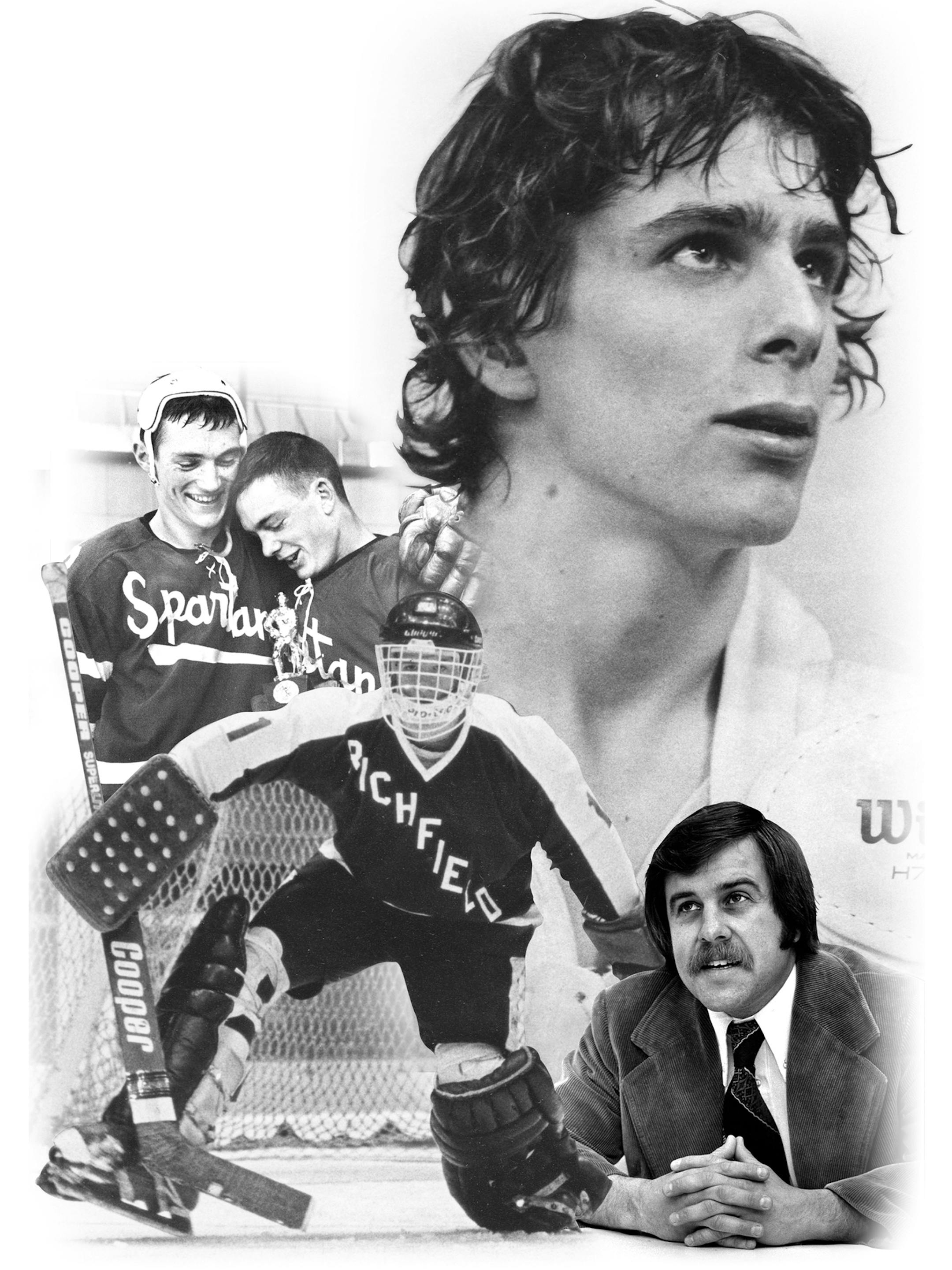
The Jan. 31 Star Tribune devoted two and half pages to write the obituary of the Richfield High School hockey program ("Where hockey died"). In the state of hockey, this was deemed a tragedy, and the blame is placed on the changing socioeconomic status of the Richfield community. Similar tragedies are playing out in other communities that have a similar location within the metro area.
What the article failed to do was emphasize that the Richfield public school system is thriving, not dying. It doesn't mention that the high school has students lined up to play soccer, basketball, Nordic skiing, baseball and many other sports. But this still misses the point. These lower socioeconomic families have students attending Yale, Stanford, Rice, St. Thomas, the University of Minnesota and more, all with Richfield diplomas in hand.
The Richfield public schools may no longer have hockey, but the school community still has students, families and teachers who believe in diversity, inclusiveness, hard work, effort, academics, beating the odds and giving their best every day. They just don't play hockey.
Aaron Tepp, Afton
The writer is a longtime Richfield teacher.
• • •
In my time on the Richfield Youth Hockey board back in the late 1990s, I was astonished when a number of vocal parents wanted to cut squirts (8-year-olds) so their kid had a better chance of winning a few more games during the season. Those same kids are now in high school. Some parents were instrumental bringing in kids cut from an "A" team in another community, rather than developing our own talent. I'll never forget the great "jersey number" controversy. During my tenure, the board never could eliminate buying jerseys every year to reduce $100 of cost in an effort to make hockey more affordable because a few vocal parents didn't want their kid to lose his or her favorite number. None of this helped build the program and contributed to the declining youth enrollment built to feed the high school team.
Changing demographics, cost and the competition of other sports are the primary factors in the demise of hockey in Richfield. However, failing to be inclusive and develop a meaningful strategic plan was also influential. It is a sad day when my community, one of the historical powerhouses in the great state of hockey, folds its program. I mourn it like a death in the family and hope other communities can learn from our mistakes.
Kathleen White, Richfield
THE 2016 CAMPAIGN
Anger and a hopefulness, of sorts, in a pair of opinions
The Jan. 31 Opinion Exchange articles by Bonnie Blodgett and D.J. Tice about the presidential race ("Sanders gives boomers a chance to rekindle fire" and "As radicals arise, gridlock never looked so good," respectively) offered two interesting views of essentially the same phenomenon. This may be one of the most feeble groups of candidates on either side that we've had in years, yet they are all tapping into a very real anger that is out there. Regarding this, one could say Tice is optimistic while Blodgett is angry. Blodgett's point is well-taken: What's happened to us to accept this state of affairs? We used to be a people who solved problems. On the other hand, Tice's point rings true as well. Over the years we have had countless terrible leaders, yet we survived because we have a constitutional process that tends to keep them from doing too much damage once in office. I guess that passes for optimism.


