![Young-adult and middle-school writers (l to r): Anne Ursu, Jacqueline West, Kurtis Scaletta and Swati Avasthi. ] (JIM GEHRZ/STAR TRIBUNE) / November 16, 2013, St. Paul, MN](https://arc.stimg.co/startribunemedia/HYZVDBJG6QN4YSVXVS5IM5SIWU.jpg?&w=1080)
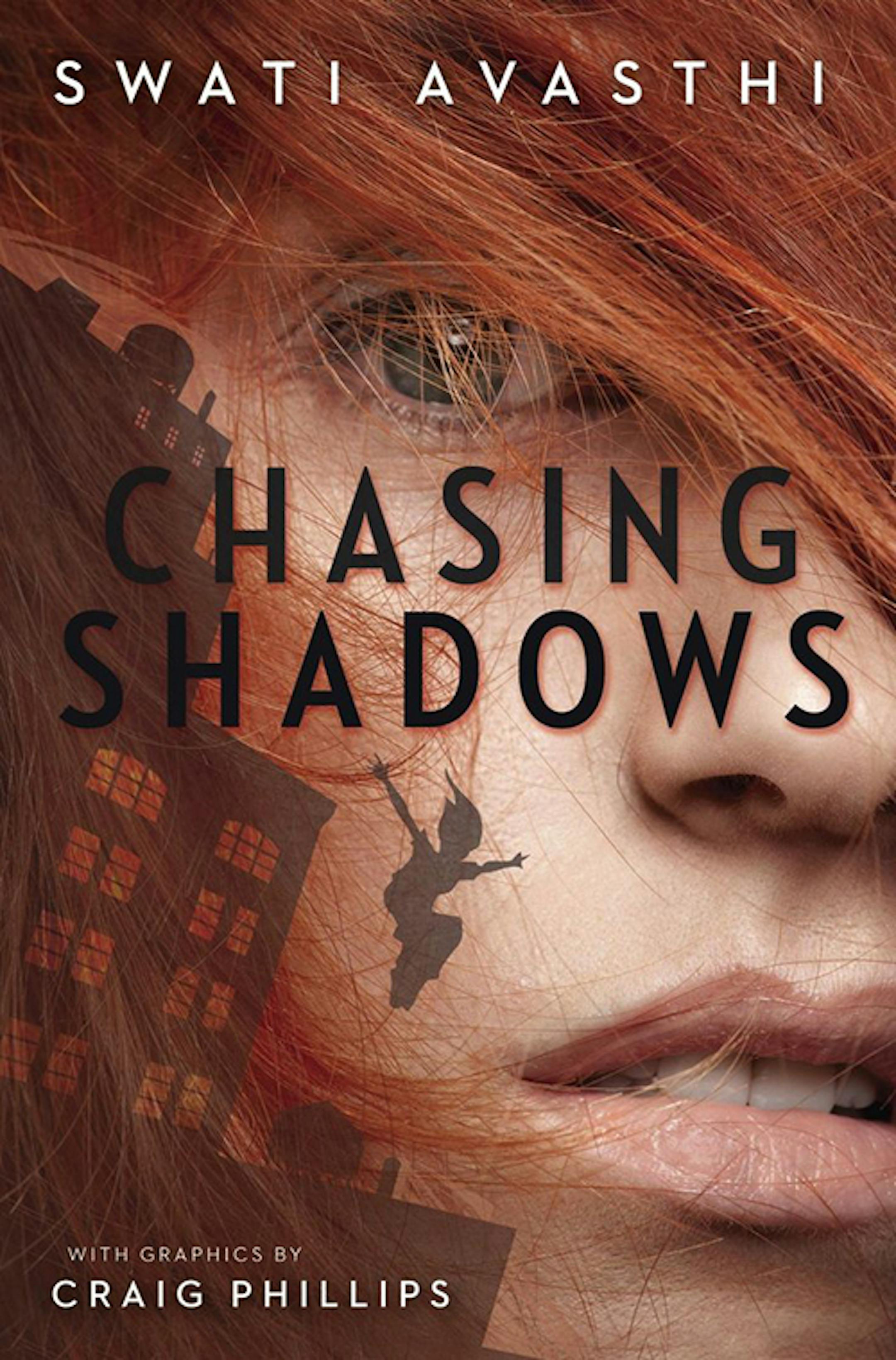
"Chasing Shadows," by Swati Avasthi, with graphics by Craig Phillips (Knopf Books for Young Readers, 320 pages, $9.99, ages 14+)
Savitri and the twins Corey and Holly have been best friends since they were toddlers. Now that they're seniors in high school, change is in the air — but their bond is still strong, especially when they're free-running together. (Free-runners use the city as a jungle gym, scaling walls and vaulting over obstacles with a trained ease.)
"Chasing Shadows" takes place on the streets of Chicago and opens with the kids bonding around ideas of courage and nobility gleaned from comic books, Hindi tales and the free-runners' ethos. Soon enough these bonds, and these ideas' connection to reality, are tested by a random act of violence that shreds their world.
Avasthi's second novel (she won a number of awards for her first, "Split," in 2011) is a resonant and deeply felt adventure that explores loyalty to self and to those you love, madness and reality and desire, and the powerful pull of imagined worlds. It's a fast-moving but expansive account, illuminated by Craig Phillips' graphic interludes, which convey the feeling of a parallel world more convincingly than words could.
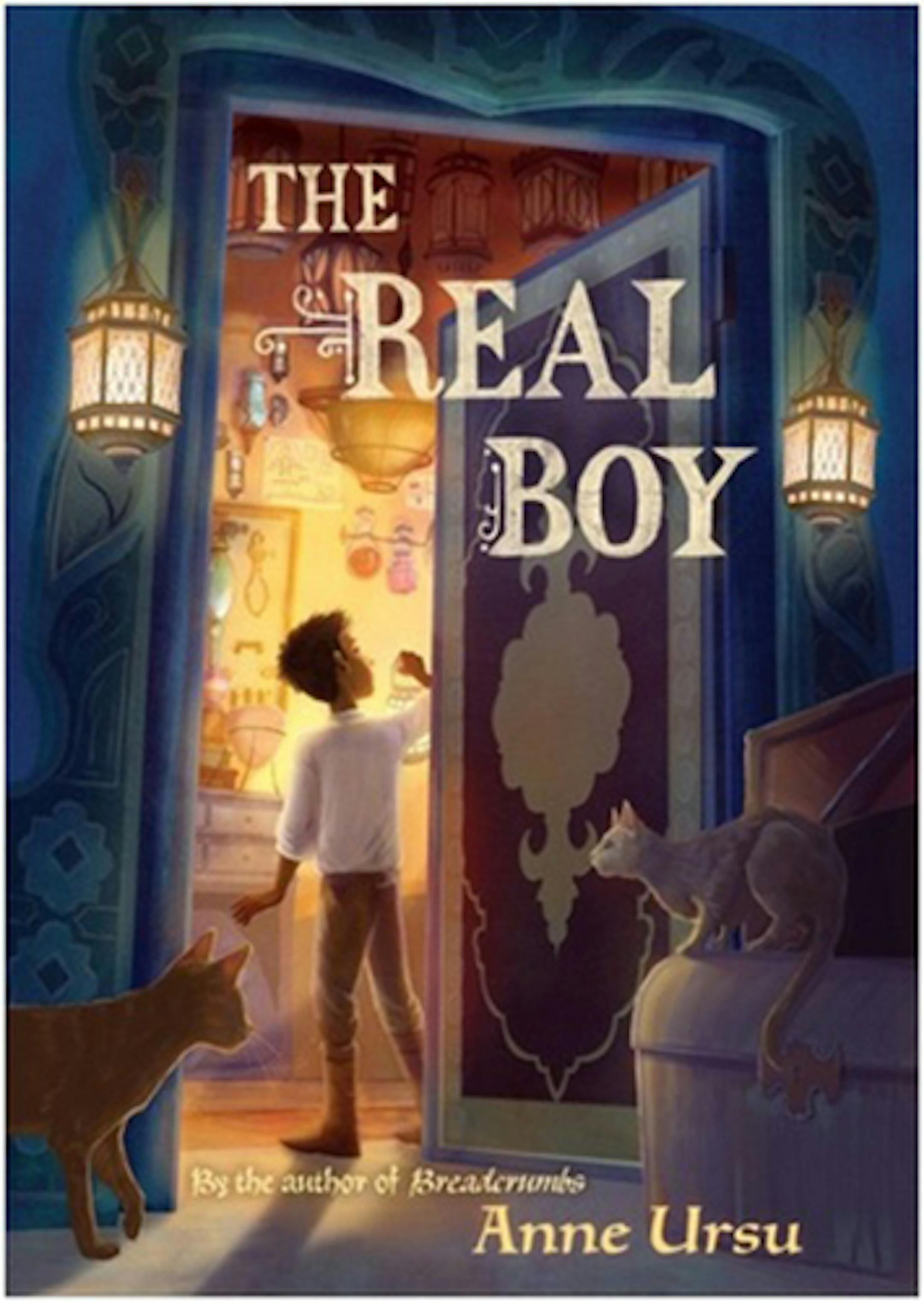
"The Real Boy," by Anne Ursu (HarperCollins, 352 pages, $16.99, ages 8-12)
Outside a beautiful city named Asteri, a small boy named Oscar is housed in a cellar, working for a powerful magician. He's an odd boy, often confused by social situations, acutely perceptive but imprisoned in a sense of his own difference. His dearest friends are a collection of clever cats. As things begin to go wrong for Asteri, Oscar works with an apprentice healer named Callie to discover the secret at the heart of the malaise.
This description makes "The Real Boy" sound like a typical magic-and-heroism book, but it isn't that. As she showed in her previous book, "Breadcrumbs," Anne Ursu excels at pairing a fully real child with a fully imaginary setting, and in "The Real Boy" this kind of writerly magic is woven into the plot lines of the book. Ursu approaches "magic" as if it were indeed real, takes it seriously and unravels some of the consequences it could have. The attempt to eradicate fear and pain, for instance, merely displaces them.
There are some problems with causation in the complex plot, in part because of Ursu's pairing of psychological realism and inventive fantasy, but the book works because of her linguistic inventiveness: We see the world through Oscar's "not right" synesthetic sensibility, and when she gets it right it's a wonderful experience: "His head was full of ice and noise, and it was everything he could do to sort through it all." Or, when he receives a bag of just-baked bread, "He held the bag close, let it warm his chest. The smell pulled at him like a wish."