
Prior Lake City Council OKs 5-year project list with tentative $110 million total

The Capital Improvement Program and Street Reconstruction Plan will play into the 2016 tax levy.

August 18, 2015 at 6:29PM
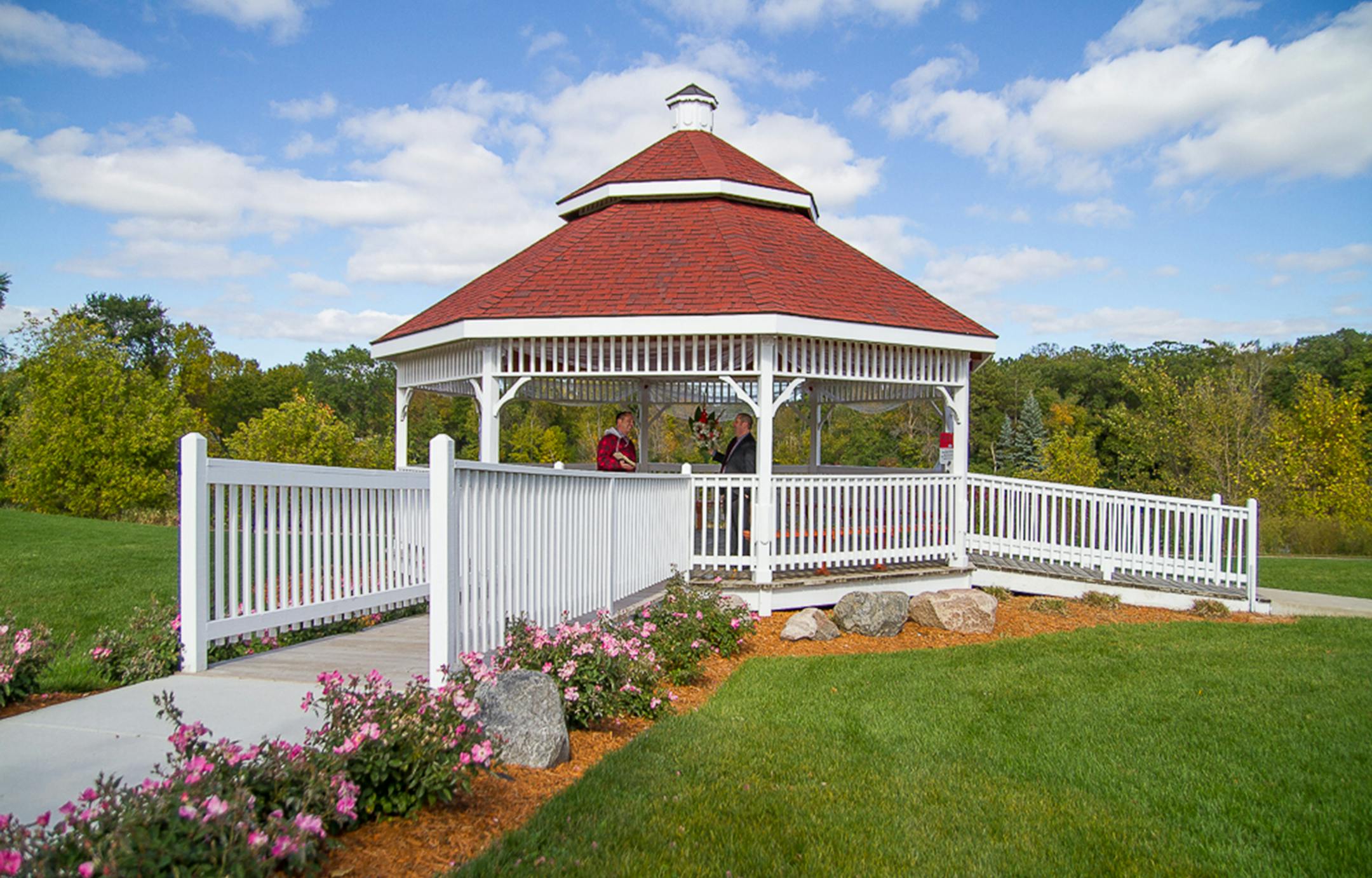
Lakefront Park in Prior Lake was developed by the city in 2001.
Lakefront Park in Prior Lake was developed by the city in 2001. (The Minnesota Star Tribune)

Prior Lake residents could see another tax increase this year, as city officials continue to try to play catch-up after years of delaying projects and keeping taxes low.

"We've got to catch up," said Mayor Ken Hedberg. "Government isn't free."

The City Council voted last year to raise the tax levy 10 percent, after five years of avoiding significant increases by pulling from reserves. Now, as the city takes on a long-term list of projects — including some that have been put off for years — it's time to figure out how to pay for them, officials say.

A specific tax increase hasn't been decided, though it could again hover around 10 percent, with about half likely going to debt service. The council is scheduled to set a preliminary levy next month.

Two plans, the 2016-2020 Capital Improvement Program and the Street Reconstruction Plan, were approved Aug. 10 and will play into the scope of any tax increase. Together, they include about $110 million worth of projects ranging from roads to software. The list also includes some larger investments, including a new water treatment facility slated for 2019 and a park referendum aimed for 2020.

"It's a ton of money. No one can deny that," said Council Member Mike McGuire. But some projects now under consideration were delayed by previous councils, he said, and he doesn't want to put them off for someone else to deal with.

Though the council signed off on the list of projects by approving the two plans, that doesn't mean all of them will happen. They'll undergo extensive council discussion and receive public input before being approved (or rejected). Still, some items were delayed as council members made last-minute efforts to shave down 2016 costs.

Council Member Richard Keeney brought up multiple projects to ask if they could be altered or delayed. Council Member Annette Thompson, who was elected last year, said she's more interested in maintaining existing amenities than in adding new ones.

That sentiment was mirrored by members of the local group Citizens for Accountable Government (CAG), who frequently turn out across the county to oppose increased government spending.

The group vocally opposed last year's tax hike. Former Mayor Wes Mader, CAG's leader, spoke at length at the Aug. 10 meeting to question the necessity of spending on new equipment and projects.

The comments from CAG drew resident and Economic Development Advisory Committee Chair Lloyd Erbaugh to the podium, a framed poster tucked under his arm. He held it up so council members could see the image: a drawing of Minneapolis' Lake Harriet Band Shell, with a phrase printed beneath.

Erbaugh leaned into the microphone and read the caption aloud: "Parks like these don't grow on trees."

The back-and-forth discussion at the three-hour meeting ultimately came down to that idea: what's needed, and how can the city pay for it?

"One of our major jobs is to maintain the infrastructure in this community," said City Administrator Frank Boyles. "It's not going to wait for us."

Emma Nelson • 952-746-3287

about the writer

about the writer

Emma Nelson

Editor

Emma Nelson is a reporter and editor at the Minnesota Star Tribune.

See Moreicon

More from No Section

See More
FILE -- A rent deposit slot at an apartment complex in Tucker, Ga., on July 21, 2020. As an eviction crisis has seemed increasingly likely this summer, everyone in the housing market has made the same plea to Washington: Send money — lots of it — that would keep renters in their homes and landlords afloat. (Melissa Golden/The New York Times) ORG XMIT: XNYT58
Melissa Golden/The New York Times

It’s too soon to tell how much the immigration crackdown is to blame.