eat Willcutt's home on Nicollet Island straddles two worlds. The front-yard view -- a swath of downtown Minneapolis skyline -- is as urban as it gets.
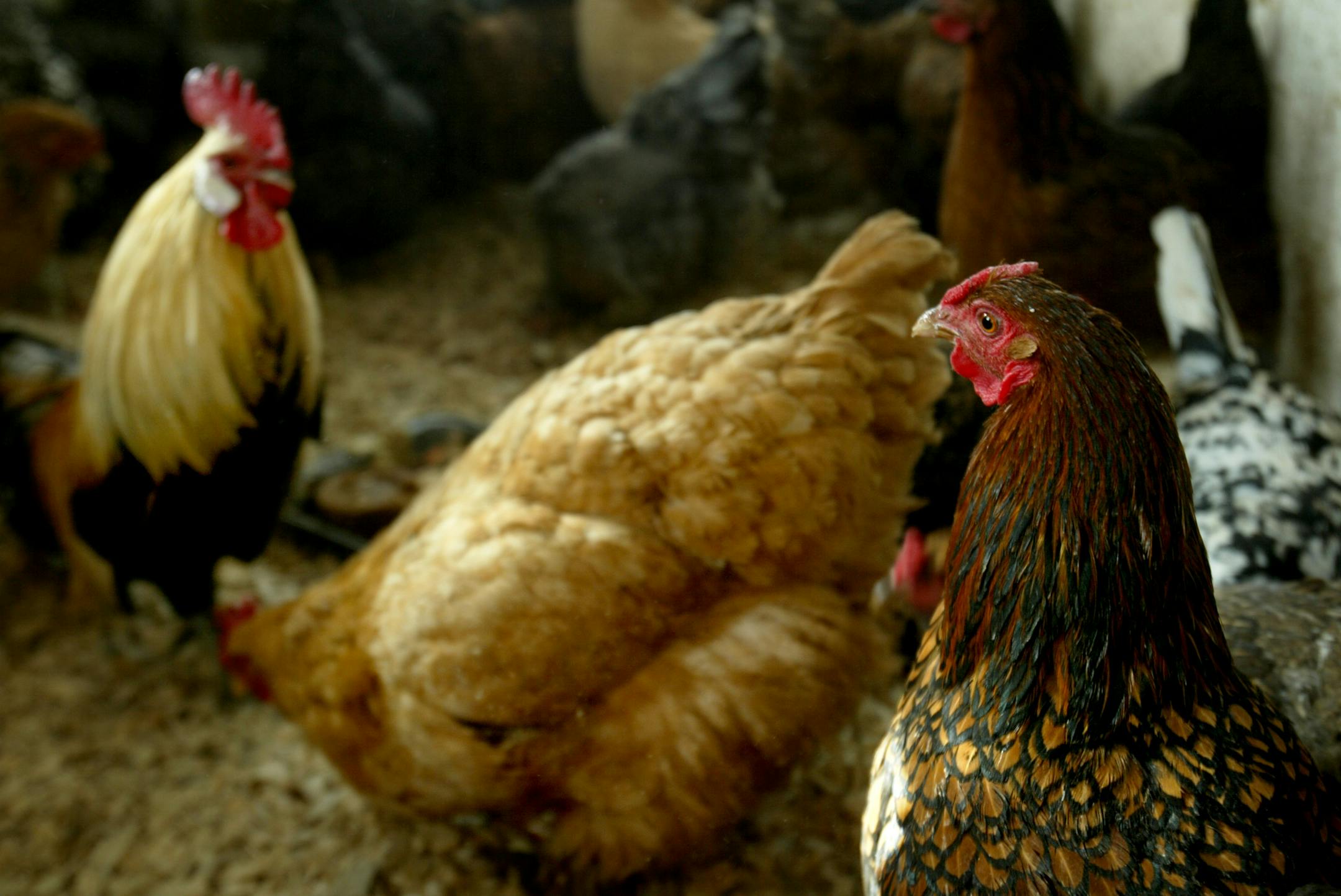
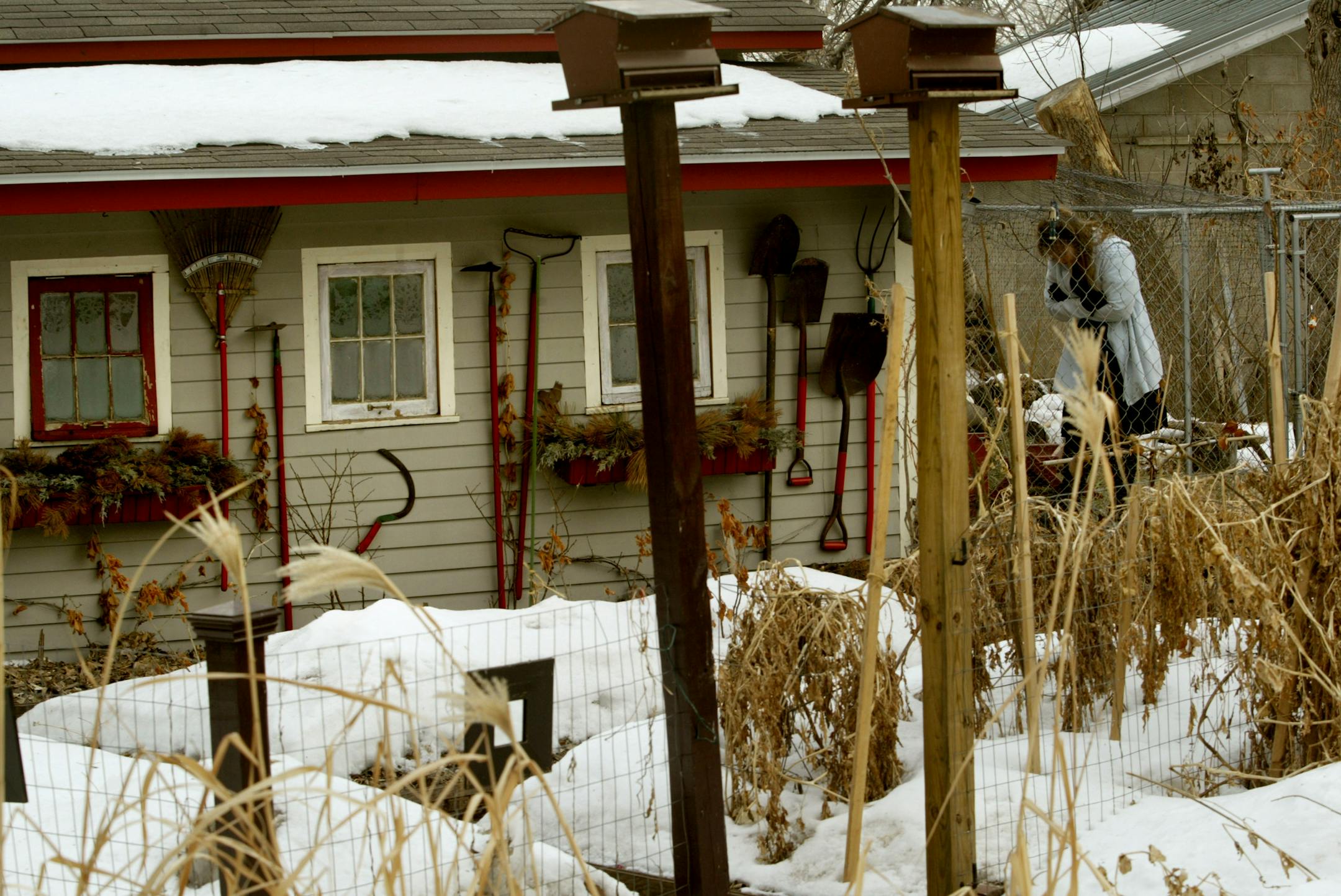
But the view out back could be a scene from rural Nicollet County: a chicken coop, adorned with vintage farm tools and filled with fowl -- 30 hens, two roosters, a dozen ducks and three geese, to be precise.
Willcutt, a University of Minnesota student who shares chicken chores and eggs with several neighboring households, sees nothing incongruous about poultry farming in the heart of the city. He's been raising animals and growing his own veggies since he was a kid in Rice County.
"With chickens, you can harvest food even in the winter," he said. On a frigid February afternoon, when most urbanites were snug indoors, Willcutt was out feeding his flock a homemade treat of rice, yogurt, garlic and cat food, tossed with olive oil. (They also eat commercial feed and kitchen scraps.) "We don't throw away food anymore. We have our own garbage disposal."
The Nicollet Island flock is large, as residential poultry populations go, but no longer a rarity. Back-yard chicken coops are hatching in cities and suburbs all over the country, from New York to Seattle, and a growing array of books and websites are offering advice and support. Willcutt operates a site, www.urbanagrarian.com, takes part in an online forum with 110 local members and teaches "Chickens in the City" classes. "It's a great way to meet interesting people who share the same values," he said.
Melissa Driscoll of Minneapolis, who has raised chickens most of her life, taught a similar class during the 1990s. "But there's a lot more interest now," she said.
Chicken-related questions to the University of Minnesota's animal science department have surged in recent years, said poultry expert Jacquie Jacob, who now averages one such call each week.
And the number of small-animal permits issued in the city of Minneapolis nearly doubled between 2006 and 2007, from 31 to 57, said Tom Doty, manager of field services. More than three-fourths of the 2007 permits were for fowl, according to Marilyn Fisher, manager of shelter operations.