

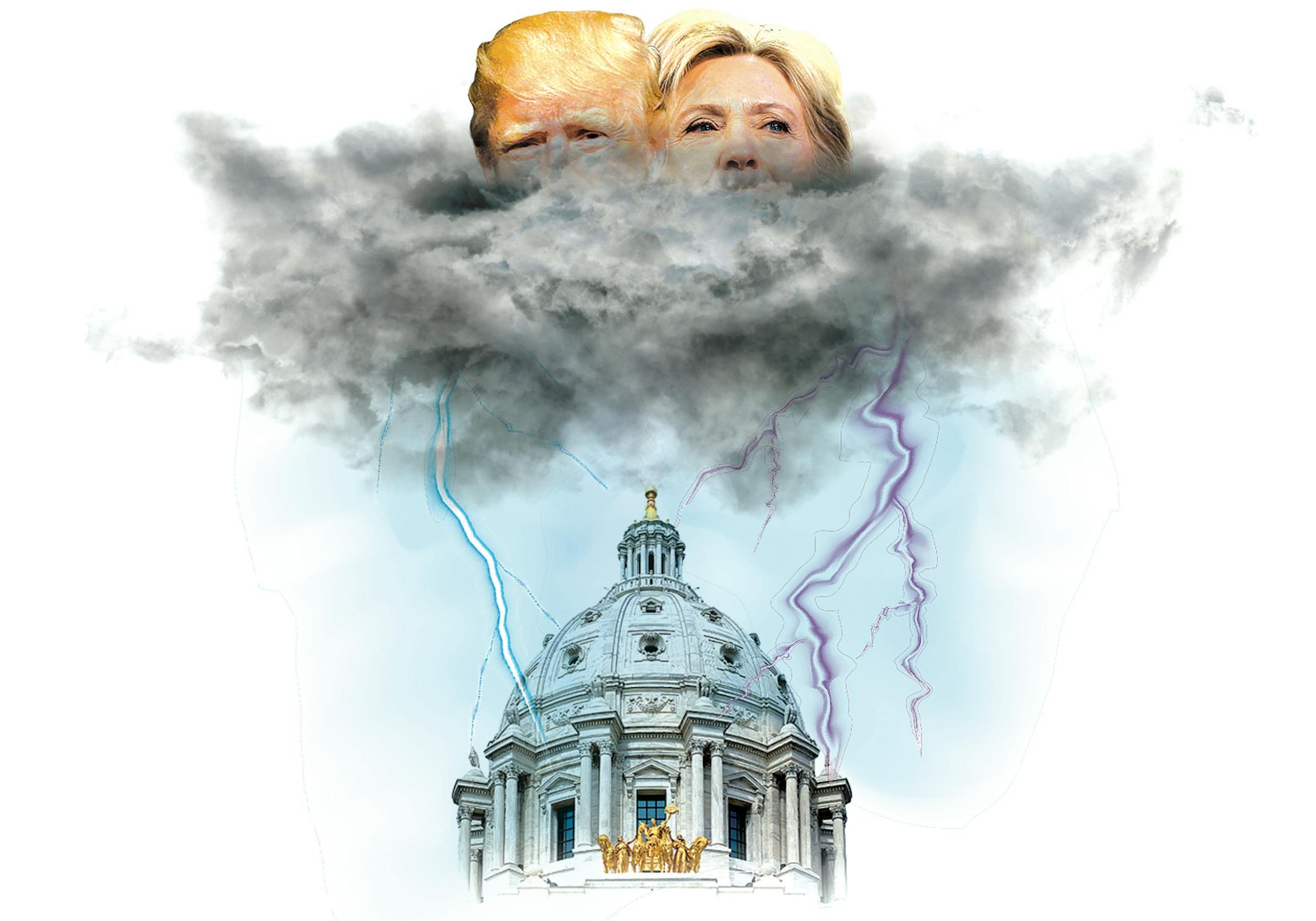
Return with me now to those frantic after-sunset hours on May 22, as the 2016 Legislature lurched toward its constitutionally drawn finish line. Legislators saw a 599-page spending bill for the first time at 7:30 p.m. and sent it to the governor two hours later. They received the session's signature measure, a $1 billion bonding/transportation bill, with less than an hour to go. In the final minutes, they fumbled that golden baton and adjourned without handing it off to the governor.
I took to Twitter to observe that this Legislature was doing a fine job of keeping alive the complaints about hasty, hard-to-follow lawmaking that I heard at the 2015 Legislature's end. Within moments, a response appeared from Crystal City Council Member Jeff Kolb.
"Voters don't care about process," Kolb tweeted.
That must be what legislators believe, too. What else explains their disregard for the open-meeting laws they've set for every other government jurisdiction, and their cavalier violation of their own rules about deadlines, late-night activity, and advance posting of bills and amendments? Some wring their hands about their institution's sloppy ways, and a few call for new rules. (Keep trying, Rep. Paul Thissen, Sen. Carla Nelson and the Senate's Purple Caucus.) But new rules won't result in a tighter ship unless the captains of Starship Legislature want to follow them. If they don't, rules can be suspended or simply ignored.
Legislative leaders have good reason to think that the way they do — or don't do — their work does not matter much to voters. In the last decade, what has appeared to matter most in determining which party controls the Legislature is not what goes on at the statehouse. It's the popularity of the president and/or the candidates for the White House.
National political waves have been washing over the Minnesota Legislature with increasing intensity. The pattern: Eight years of GOP control of the House came to an end in 2006 when Republican President George W. Bush's disapproval rating in national polls hovered near 60 percent.
The Republican election general and House speaker that year was Steve Sviggum. "I had recruited the best stable of candidates of all the years I was speaker and minority leader," Sviggum recently related. "When those candidates got to the doors, they were asked if they were Republicans, and if they were, they got a cold shoulder. If you were connected to George W. Bush, you were in trouble."
The two presidential elections won by Democrat Barack Obama were high-turnout years when DFL legislative candidates did well, increasing their margin in 2008 and retaking both chambers in 2012. But more Americans disapproved than approved of Obama's performance in the run-up to the 2010 and 2014 midterm elections. In Minnesota, Republicans took control of both legislative chambers in 2010 and of the House in 2014, when the Senate was not on the ballot.


