
New vaccine starts shingles debate

The Philadelphia Inquirer
May 18, 2015 at 4:42AM
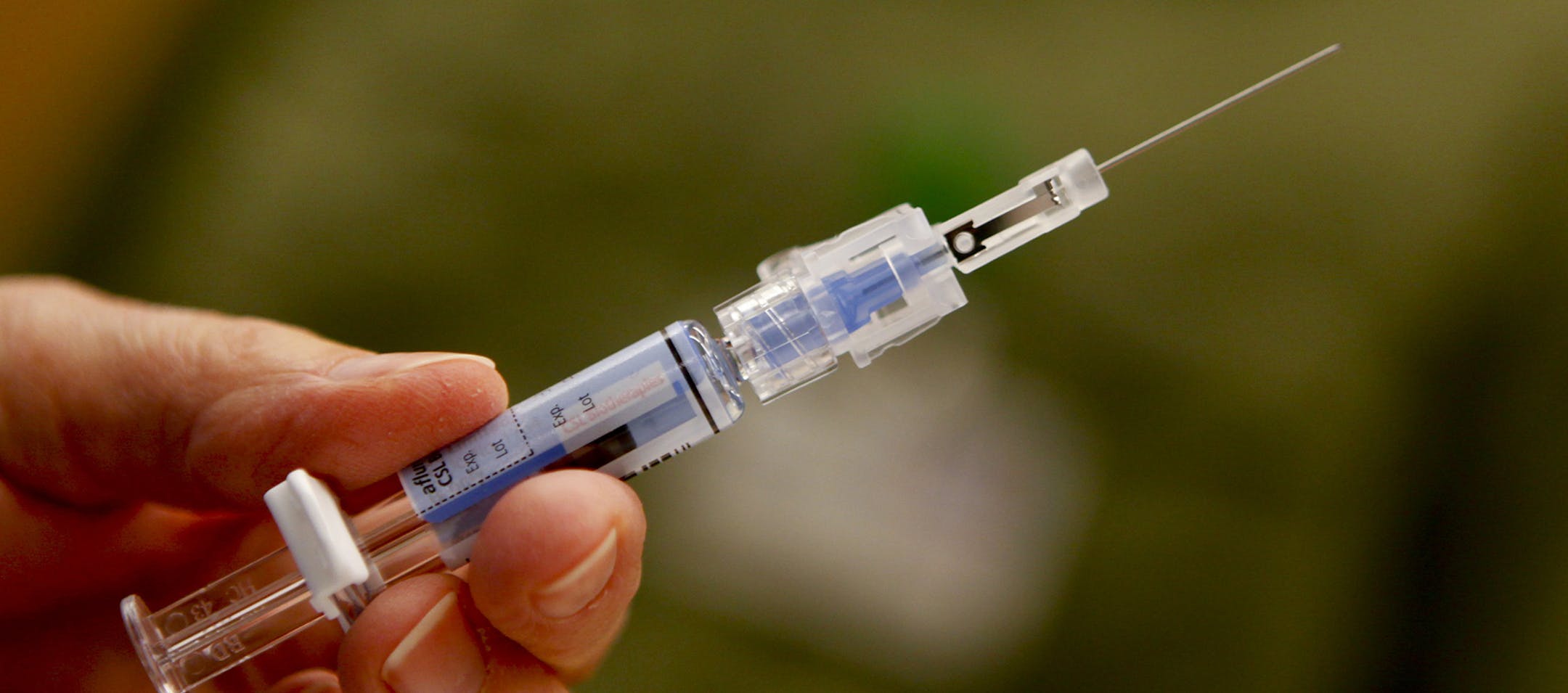
Downey Regional Medical Center RN Connie Meinke holds a syringe filled with the flu vaccine before injecting a fellow employee on January 17, 2013. Like many hospitals across the U.S., the Downey, California, facility is preparing for the flu onslaught. The hospital is asking all of their employees to be vaccinated. (Mark Boster/Los Angeles Times/MCT) ORG XMIT: 1133860
Downey Regional Medical Center RN Connie Meinke holds a syringe filled with the flu vaccine before injecting a fellow employee on January 17, 2013. Like many hospitals across the U.S., the Downey, California, facility is preparing for the flu onslaught. The hospital is asking all of their employees to be vaccinated. (Mark Boster/Los Angeles Times/MCT) ORG XMIT: 1133860 (The Minnesota Star Tribune)

Public health experts were pleased last month when a study showed that GlaxoSmithKline's experimental shingles vaccine is much more effective than the established Merck vaccine.

In the long run, the prospect of a better shingles shot could improve vaccination rates among people 60 and older, now only at 24 percent.

But in the short run, the news creates a bit of a quandary: Should older adults who want protection wait, probably a few years, for approval of the new vaccine, and hope the herpes zoster virus doesn't cause its excruciating rash in the meantime?

"That's a hard question," said Stephanie Bialek, a herpes virus expert at the U.S. Centers for Disease Control and ­Prevention. "It's one we expect a lot of people to have."

Shingles is related to chickenpox. After chickenpox blisters disappear, the varicella-zoster virus goes dormant in nerve cells.

Years or decades later, the virus erupts as shingles in a quarter of infected adults, more than a million a year. People who live to 85 have a 50-50 chance of developing it.

Shingles can recur. The virus can even affect the eyes, a sight-threatening emergency called herpes zoster ophthalmicus. And about 10 percent of shingles sufferers are left with a complication called postherpetic neuralgia, a debilitating nerve pain.

Why the virus reactivates is unclear, but age-related declines in immune protection play a role because shingles usually occurs after age 50.

The Merck vaccine, Zostavax, was approved in 2006 for people age 50 and over, and is recommended for ages 60 and over. (Most insurers cover it at age 60.)

Zostavax, made with a weakened form of the herpes zoster virus, is less effective in older people — those more likely to get the disease. It reduces shingles by 70 percent among those in their 50s, by 64 percent among people in their 60s, and by 38 percent among people 70 and older. It also reduces postherpetic neuralgia by about 67 percent in all groups and may lessen the severity of a shingles recurrence.

The Glaxo vaccine, in contrast, is made from a single viral protein combined with a novel immune-stimulating substance known as an adjuvant. Glaxo has not said when it hopes to file for government approval.

about the writer

about the writer

Marie McCullough

More from No Section

See More
FILE -- A rent deposit slot at an apartment complex in Tucker, Ga., on July 21, 2020. As an eviction crisis has seemed increasingly likely this summer, everyone in the housing market has made the same plea to Washington: Send money — lots of it — that would keep renters in their homes and landlords afloat. (Melissa Golden/The New York Times) ORG XMIT: XNYT58
Melissa Golden/The New York Times

It’s too soon to tell how much the immigration crackdown is to blame.