

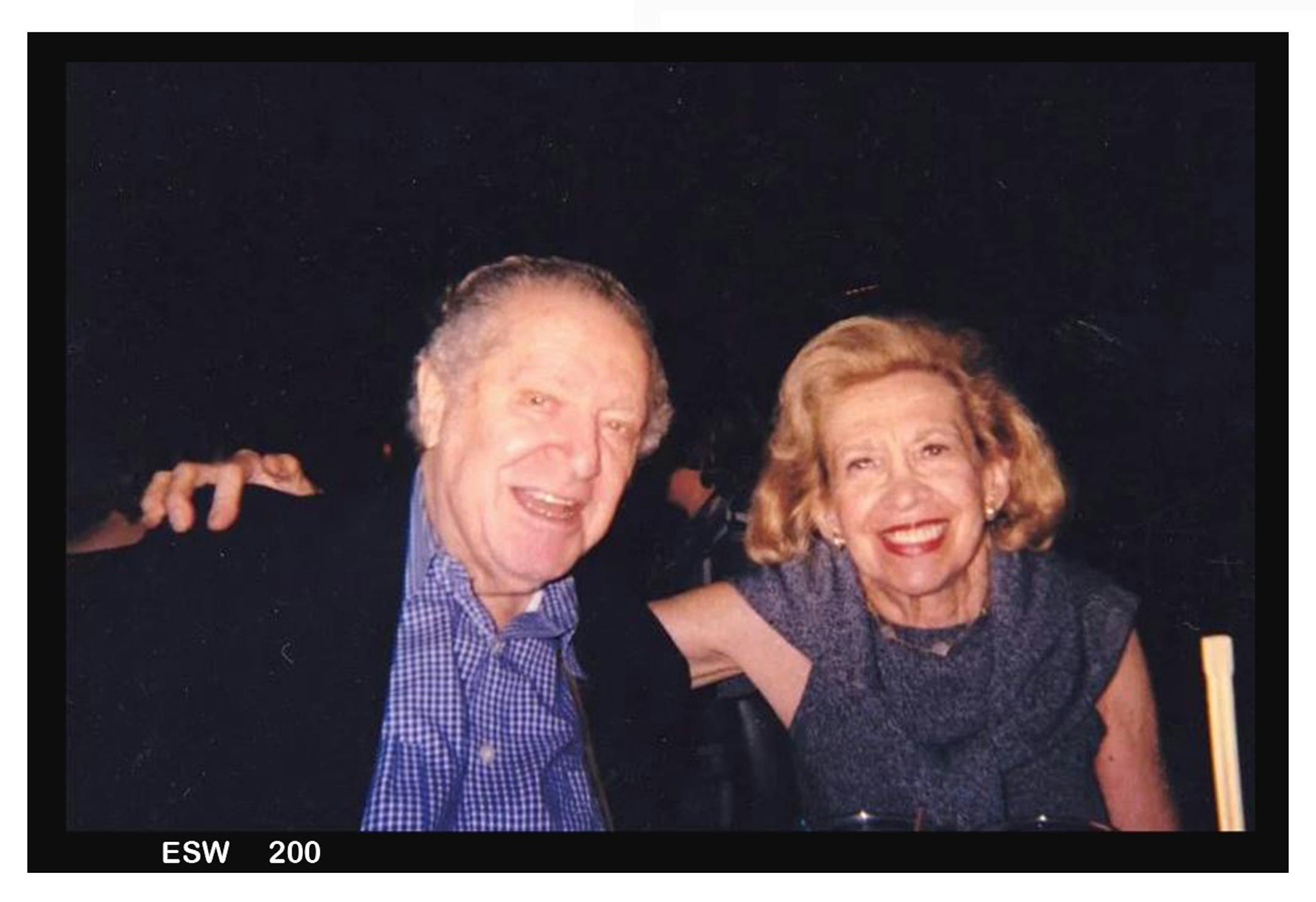
My mother, 72, had been a widow for three years when she was set up by mutual friends with Hank, a 75-year-old widower whose wife had died a few months before. Hank lived in Boston and she was in New York City, so they'd spent many hours on the phone before they finally met.
On the appointed day, Hank showed up at my mother's Upper East Side building in a baggy suit, carrying a worn satchel like an aging door-to-door salesman. Mom's doorman, a protective fellow named Mickey, rang her on the house phone.
"There is a homeless man who wants to see you. I don't think I should send him up," he said.
Mickey was overruled, and Hank arrived at her door. With his wide girth, unruly white hair, goatee and Western string tie, my mother thought he looked like Colonel Sanders.
She called me at work. "Hank's here," she stage-whispered. "He has no place to stay. Should I let him sleep in the den?"
"Absolutely not!" I said in the disapproving tone I used with my teenage daughter. It had about the same effect. Hank stayed the night and pretty much never left.
'Isn't he wonderful?'
When Mom introduced me to Hank at a New York restaurant, I wasn't prepared for how sweetly childlike and quirky he was. He did magic tricks on the white tablecloth, including turning a broken toothpick into an unbroken one.
My mother patted his arm. "Isn't he wonderful?" she gushed. "And he's an inventor. He invented computer dating!" She pulled a Life magazine clipping from 1941 out of her Saks shopping bag. There was a picture of a 20-year-old Hank and a couple who had met via his invention, College Match. While an undergraduate at Rutgers University, Hank had started a business matching up couples based on questionnaires he created. He hired students to score them by hand. There were, of course, no computers in 1941.


