

Minnesota's individual health insurance market isn't what it used to be, but after three years of declines health plans are cautiously optimistic it won't shrink any further in the coming year.
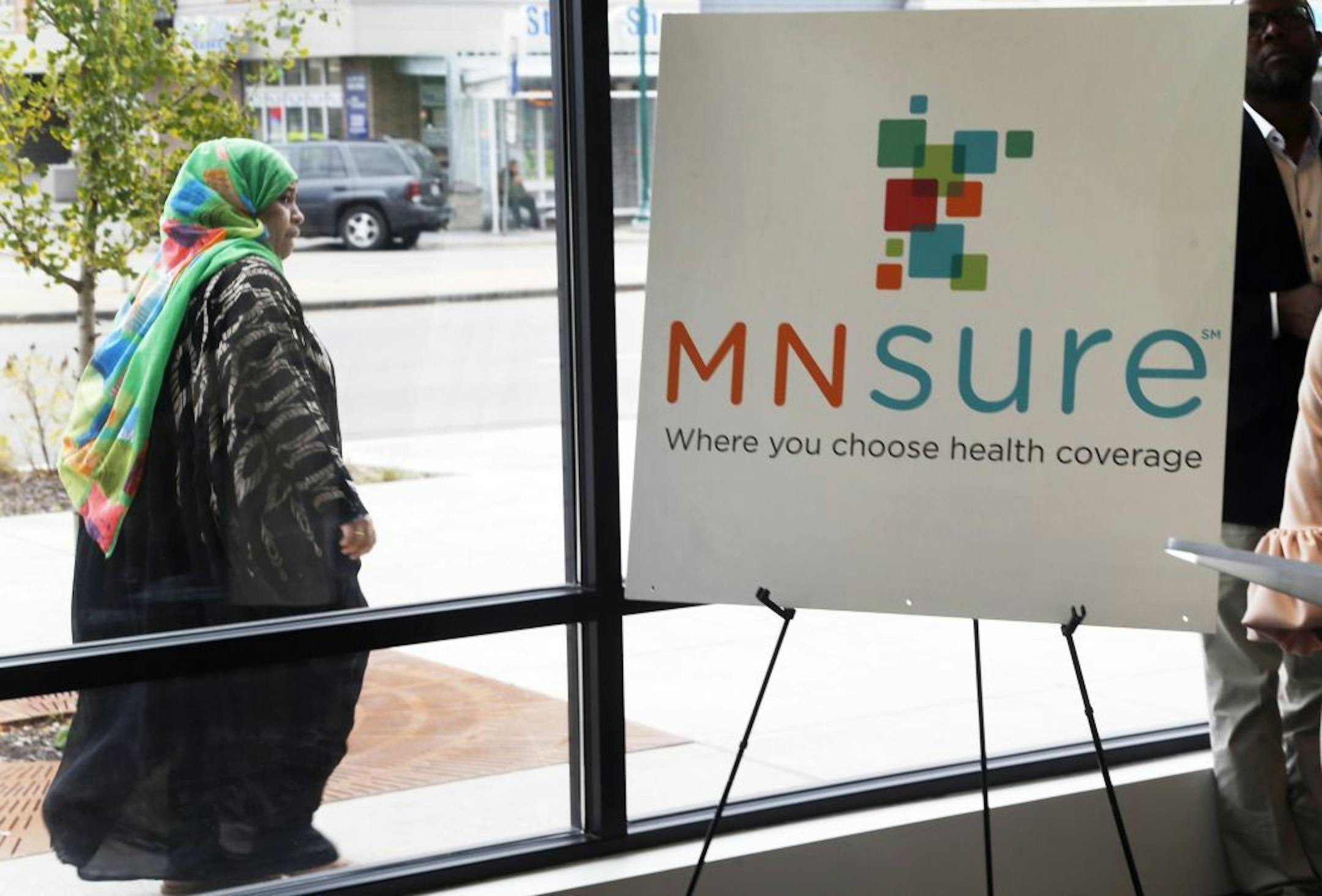
Open enrollment for individual plans, including those sold on the state's MNsure exchange, starts Wednesday.
When major reforms kicked in with the federal Affordable Care Act, about 300,000 state residents were covered by individual health plans — a small slice of Minnesota's population that's even smaller now, with about 166,000 people buying the coverage as of April.
The sign-up tally is important for the long-term stability of the market, which has been plagued since 2014 by big premium jumps and significant changes in the lineup of health plans being sold.
"I think there are some headwinds that will keep people from buying insurance," said Jim Schowalter, chief executive of the Minnesota Council of Health Plans, a trade group for insurers. "But with reinsurance and stable premiums, a few people might be coming back, too."
The individual market primarily serves people under age 65 who are self-employed or don't get health insurance from their employer or the government. The market has undergone major changes since 2014 with the Affordable Care Act (ACA), which launched the MNsure exchange and brought federal tax credits for many who buy the coverage.
Earlier this year, state lawmakers pledged $271 million for a reinsurance program in 2018 that serves as a financial cushion for insurers that cover individuals with unusually large medical bills. The program is lowering individual premiums by 20 percent from where they otherwise would be.
The premium for the benchmark silver health plan available through MNsure for a 40-year-old in the Twin Cities will decline next year by 11 percent to $327 per month in Hennepin County. In Rochester, a 40-year-old buying the benchmark plan will see premiums increase 7 percent to $596 per month.



