

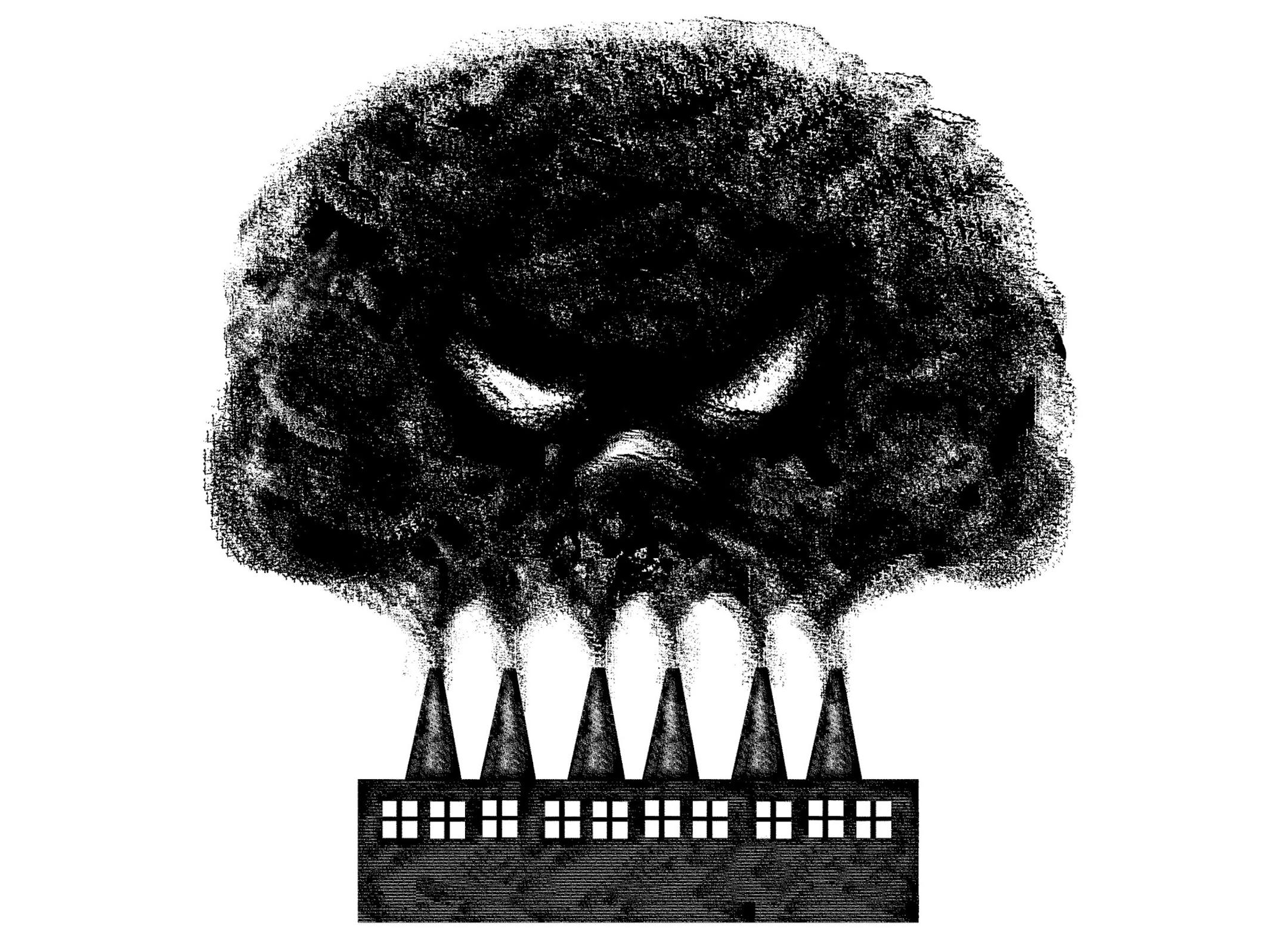
Seven years ago, Gov. Tim Pawlenty and the Legislature committed Minnesotans to doing their part in modifying the human behaviors that contribute to global warming. By 2015, the state would reduce greenhouse gas emissions by 15 percent (from 2005 levels), followed by more ambitious reductions of 30 percent by 2025 and 80 percent by 2050.
Now, as 2015 draws near, it's clear that Minnesota won't come close to hitting its first target. Despite impressive progress on electric power plants (carbon discharges are down 13 percent), other emissions from cars, trucks, homes, industry, agriculture and other sources remain a problem. Overall, greenhouse gas emissions are expected to decline modestly — by about 3 percent — over the 2005-2015 period, but that's still 20 million tons short of the goal. And so, the question arises: Was Minnesota serious in 2007?
Well, yes and no. Intentions were good, but Pawlenty took an abrupt U-turn in 2008 when national ambitions (and climate-change deniers) grabbed his attention. He ignored the recommendations of a blue-ribbon commission and, as a consequence, Minnesota lost its footing on the climate issue.
Letting things slide further may not be an option, however. President Obama this month issued the second in a series of executive orders requiring federal agencies (and, by extension, states) to take climate change into account when devising new policies or building major new projects. Already, the president has asked the Environmental Protection Agency to write new rules to further limit greenhouse gas emissions from electricity generation. He has also directed a national task force to identify a wide range of other potentially harmful activities, all with an eye toward mitigating carbon emissions and adapting to new climate realities.
Among the changes expected: stronger codes for shoreline buildings; more resilient infrastructure standards, and changes in mining, farming, forest management and urban-design priorities. The aim is to align government policies and promote private investments that encourage cleaner, safer, more efficient lifestyles in the decades ahead, as well as to improve emergency responses to the extreme climate-related events that are already underway.
While exact implications for states aren't yet clear, and while Congress will control any shifts in spending, states would be wise to begin to tailor their policies to the greater frequency of violent storms, severe floods, droughts and wildfires that lie ahead, as well as to the ecological changes that will affect their local economies.
Minnesota's location at the intersection of three major biomes (evergreen forest, hardwood forest and prairie) makes it especially vulnerable. Scientists expect the northern evergreen forests — already battered by the 1999 blowdown and three epic fires — to retreat into Canada in the coming decades, with major implications for the timber and resort industries as well as for water and wildlife management.
Farther south, cycles of severe drought and flooding are expected to continue in agricultural areas. Southeastern Minnesota has already suffered three 1,000-year floods in the last nine years. Meanwhile, the metro area continues its struggle to achieve the transit options and denser development patterns that would help mitigate the effects of climate damage. News that transportation costs are now overtaking housing should act as a warning that metro-area residents aren't doing nearly enough to reduce their carbon footprints.


