

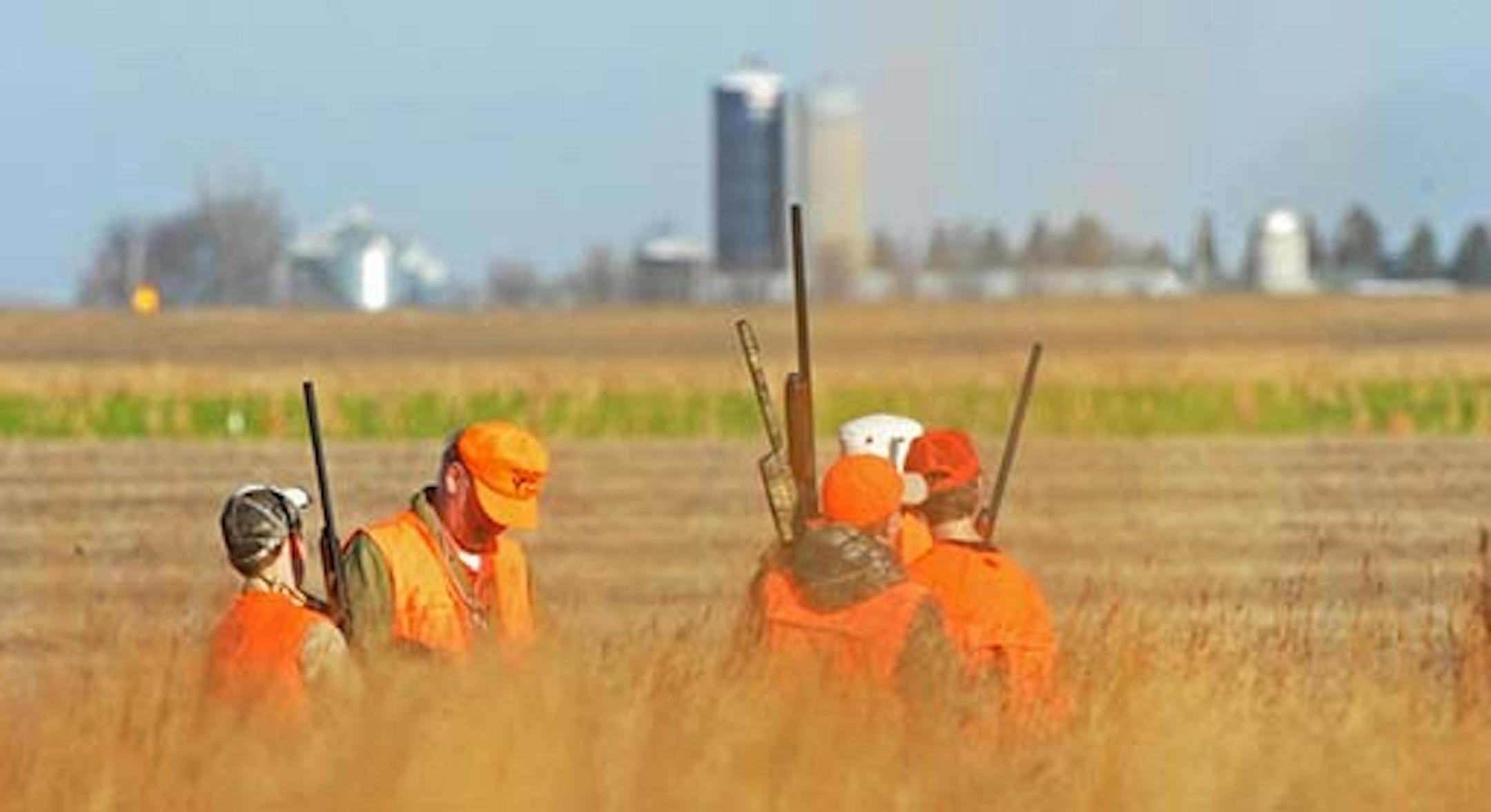
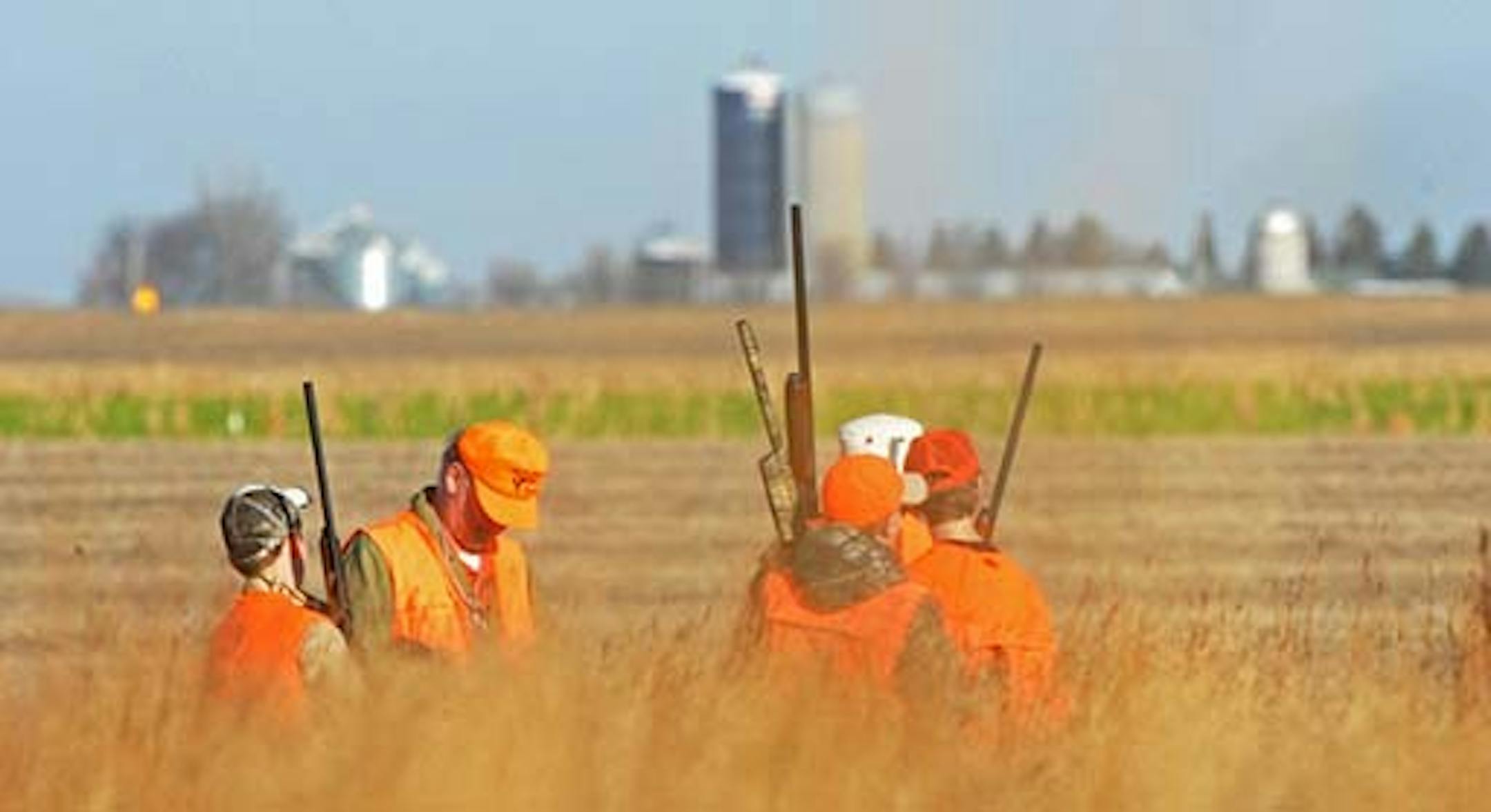
Minnesota's pheasants got a break last winter, benefiting from a relatively temperate cold-weather season, which contributed to a 29 percent rise in the state's roadside index, according to the Department of Natural Resources.
The DNR said the index is still 14 percent below the 10-year average and 48 percent below the long-term average, declines attributable to a loss of Conservation Reserve Program (CRP) acres statewide.
Minnesota could lose about 393,000 CRP acres by 2018 because of reduced spending on the program at the national level — this despite renewed interest in the plan by farmers concerned about falling corn and other commodity prices.
Though grasslands remain in short supply in the state's pheasant range, there's some good news: CRP losses have been partially offset by acquisitions of land for wildlife management areas and waterfowl production areas, and through more land being put into easement by landowners. Many of these acres were permanently protected through funds recommended by the Lessard-Sams Outdoor Heritage Council.
"Grassland habitat is critically important to pheasant populations," said Nicole Davros, who oversees the August roadside survey. "Over the past two years we have had weather that benefited pheasant numbers, but in the long term we're still looking at a downward trend in habitat and that drives the population trends."
The index in all areas of the pheasant range increased compared to 2015 except the southeast, which declined 31 percent. The highest pheasant counts were in the southwest, east-central and south central, where observers reported 53 to 96 birds per 100 miles driven.
Compared to 2015, the DNR said, the largest percentage increases were in the central, south central and east-central regions with increases of 72 percent, 70 percent and 27 percent, respectively.
Minnesota's 2016 pheasant season begins Saturday, Oct. 15, and ends Sunday, Jan. 1.


