

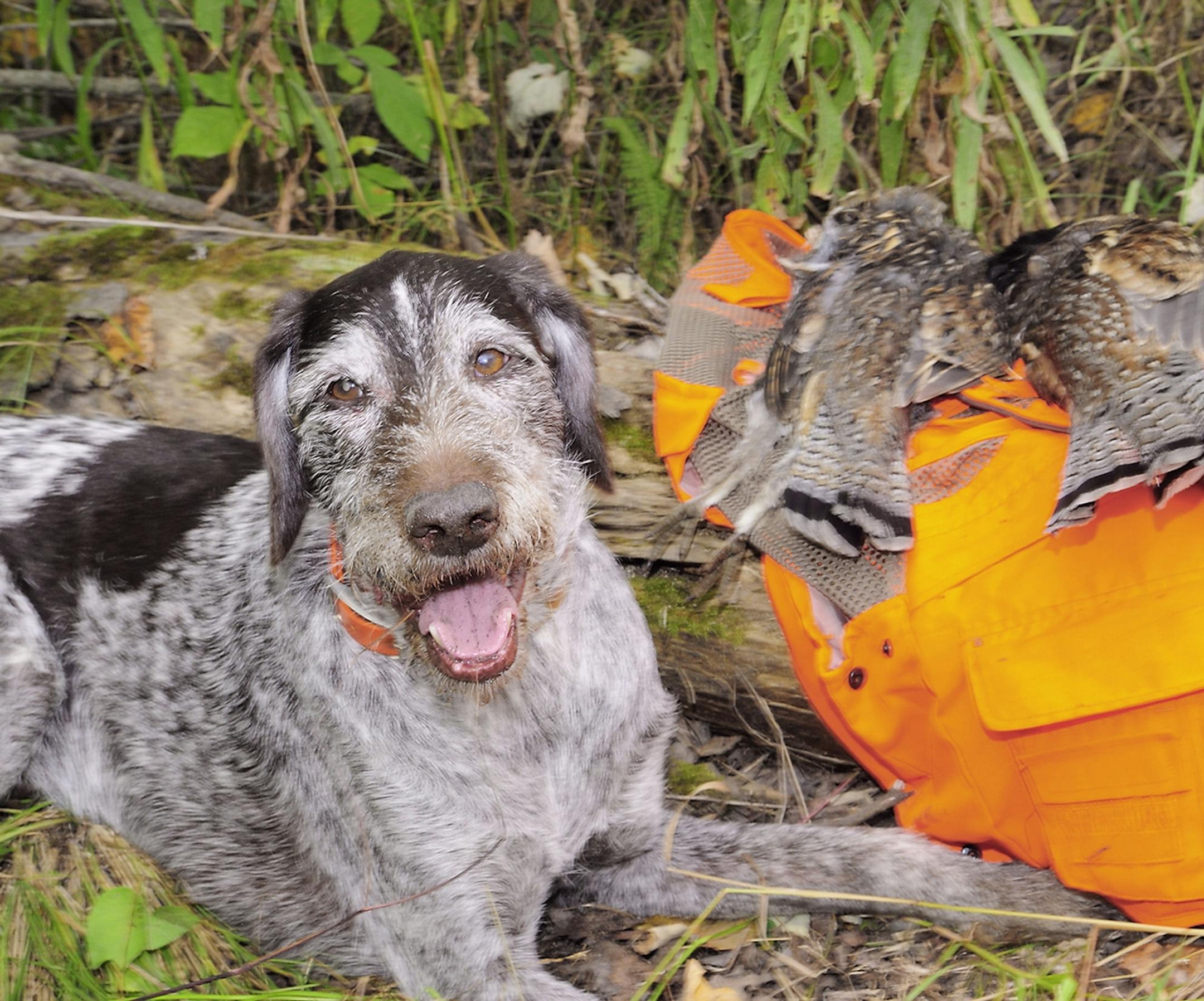
CENTRAL MINNESOTA - Since the early 1970s, I've hunted grouse in this part of the state. Three dogs have come and gone, and a fourth dog, now riding with me in his kennel in the back of the truck, is 11 years old. Axel, a Deutsch Drahthaar, is gray in the face. His right rear hip causes him pain. Let's face it; his hunting days are numbered.
I thought about this at dawn on Saturday morning, opening day of the 2011 Minnesota ruffed grouse season. I was driving along familiar roads toward celebrated grouse haunts. A lot more than just dogs has changed during the almost 40 years I've tromped these woods hoping to flush a grouse or two.
The habitat has changed. So have the inhabitants.
During my drive I saw two flocks of wild turkeys. A decade or two ago I would not have imagined, even in my wildest of wildlife dreams, that turkeys would live and thrive here.
En route to my grouse haunts, I also saw sandhill cranes. Oh, there may have a been a crane or two around back in the '70s, but now the large, battleship-gray birds are common. If you don't see them, you've surely heard their loud, prehistoric-sounding calls.
Timber wolves now live here, too. During December grouse hunts I see their huge prints in the snow. Their deer-hair-filled scat is a common sight, though I rarely see the wolves themselves. Back in the '70s this was primarily coyote country.
Perhaps, though, the biggest change that has occurred since I began hunting this area is the habitat. The change is not noticeable unless you look through the eyes of a grouse hunter.
As grouse hunters know, Old Ruff likes aspen forests. Much to the delight of the grouse, loggers like aspen, too. When an aspen forest is just right for cutting, it's mostly beyond the ideal age to support a thriving ruffed grouse population.


