

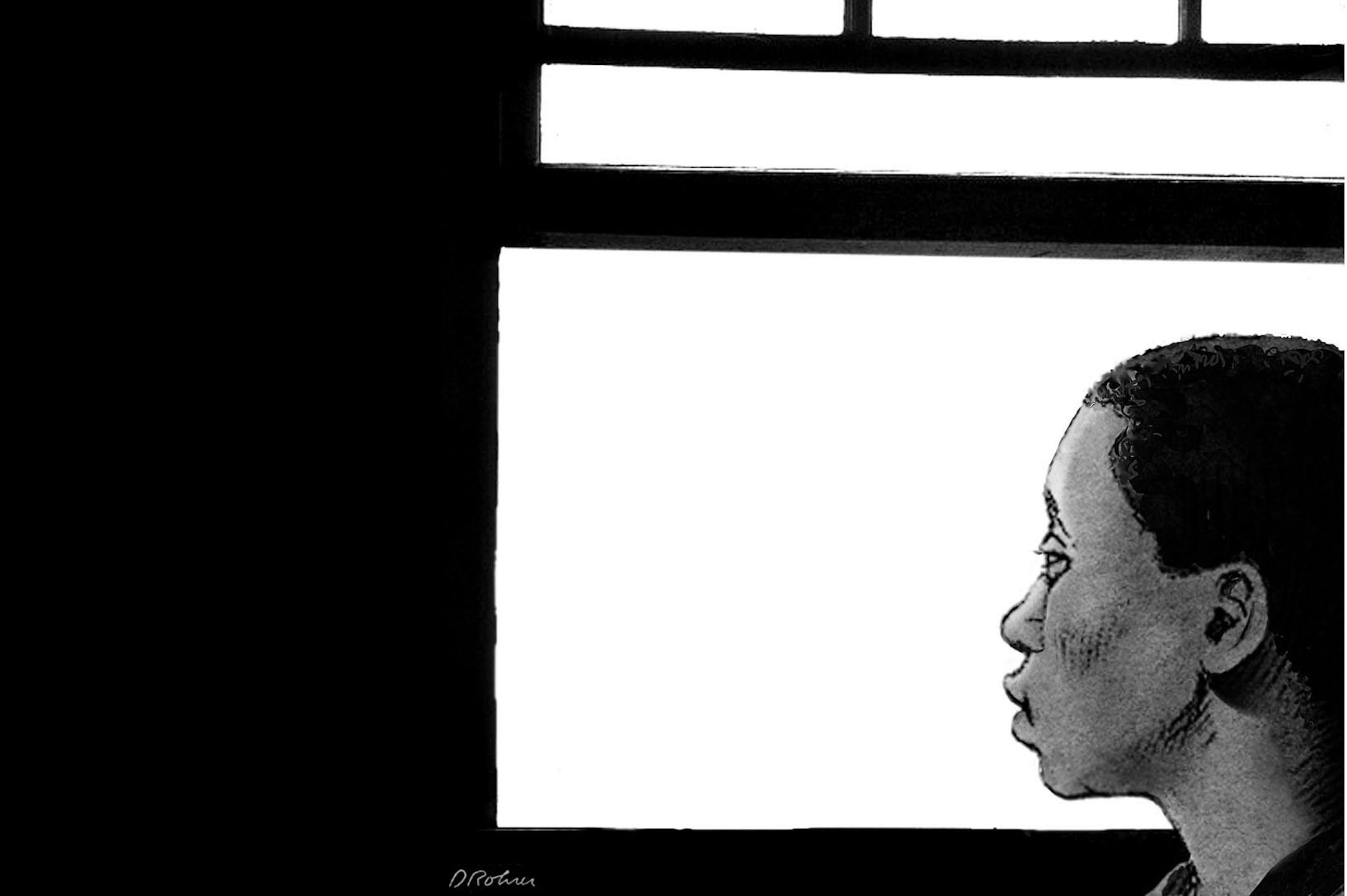
Inequality is the issue of the day, both locally and nationally.
President Obama is expected to highlight income inequality in his State of the Union address Tuesday night. Among those attending will be Minneapolis Mayor Betsy Hodges, who made closing the educational achievement gap a central theme in her winning campaign last year. She'll be the guest of U.S. Rep. Keith Ellison, D-Minn., who has long made inequality a legislative priority.
The Twin Cities area is wrestling with some of the worst disparities in the country, and the numbers are not lost on Susan Haigh, chairwoman of the Metropolitan Council, who focused her State of the Region address Monday on a more equitable future for all.
Last year, Haigh emphasized strategic plans for transit and housing infrastructure. This year, she made the case for riders and residents, and how the Met Council can be part of the solution to one of the most important issues facing the region.
The statistics are stark. According to Met Council data, this is the worst region in the United States when considering racial disparities in employment, poverty and homeownership, and fourth-worst when calculating per capita income.
Census data tracking where these disparities hit hardest suggest that they are growing in size and share of the region's population. In 1990, 31 census tracts were classified as "Racially Concentrated Areas of Poverty" (RCAPs), housing 3 percent of the region's population. By 2011, 80 census tracts housing 9 percent of the region's residents fit that description.
As the region, just like the nation, grows more diverse — 9 percent people of color in 1990 in the seven-county metro area, compared with a projected 43 percent in 2040 — it's imperative that solutions are found.
The Met Council projects that if race-based income disparity could be eliminated by 2040, and 298,000 regional residents were moved out of poverty, there would be 182,000 more high-school graduates, 137,000 more people working and 216,000 more homeowners. This in turn would pump nearly $35 billion into the regional economy over the same 30-year span.


