

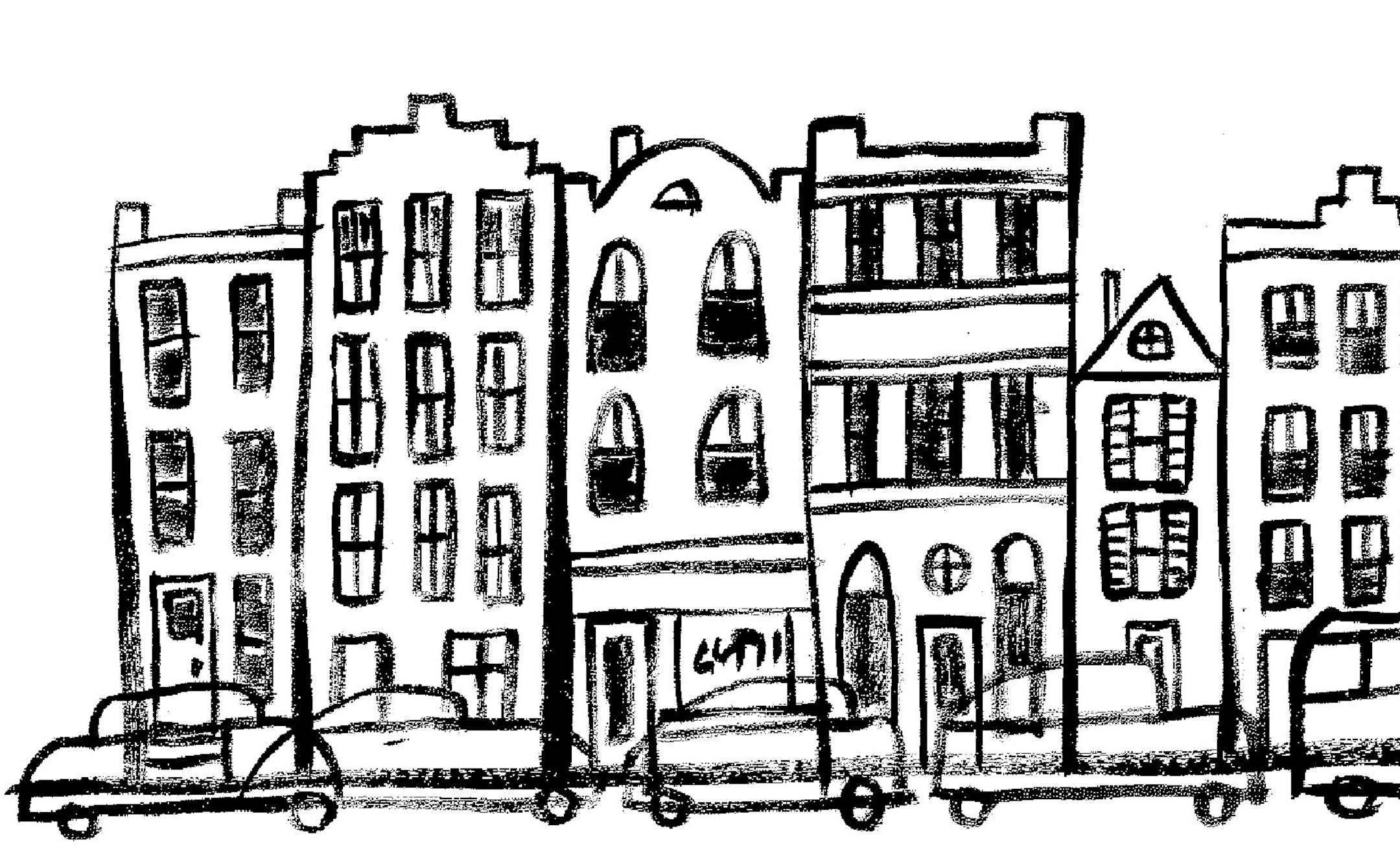
Here's how much the physical character of the Minneapolis-St. Paul metro area is likely to change between now and 2040:
• 820,000 additional people will live in the seven core counties.
• There will be no need for any additional single-family, large-lot houses. Zero.
That's an astonishing reversal from the housing pattern that has dominated this region's growth since the 1950s. But, as a new report commissioned by the Metropolitan Council suggests, demographics dictate market. And demographic projections suggest a sharp decline in the types of households that typically drive demand for single-family homes — younger families with children.
Between 1990 and 2010, households in their peak housing years (with adults ages 35 to 64) made up 80 percent of the growth in housing demand. By 2030, those households are expected to account for just 9 percent.
That's not to suggest that no new single-family homes will be built. Rather, it's to say that the current stock of homes can more than absorb all of the expected single-family demand, while the focus shifts toward building thousands of new, smaller units, either attached or on small lots and preferably with neighborhood conveniences and amenities close by. In other words, the trend is toward more density and more efficiency, both in the city and the suburbs.
Empty nesters are driving these changes. Adults over 65 accounted for just 20 percent of the new housing demand between 1990 and 2010, but they will drive 85 percent of the demand by 2030. A more general rise in households without children, coupled with a surge in immigration, is also expected to stimulate smaller-footprint living.
So we can expect more of what we've been seeing lately: the ubiquitous mid-rise apartment buildings; the filling of shopping-mall parking lots with restaurants and housing; the teardown and replacement of well-located single-family homes; the conversion of abandoned industrial sites to housing, offices and retail; the rise of car- and bike-sharing programs; the return of live/work apartments and granny flats, and an even bigger push for walkable, bikeable neighborhoods with better transit service. We can also expect continued pushback from established single-family neighbors who would rather see density happen somewhere else.


