When it comes to medical devices, Minnesota is a Little Silicon Valley on the Prairie. It's home to more than 350 medical technology companies that employ more than 35,000 people; what happens in the halls of Washington, D.C., reverberates here.
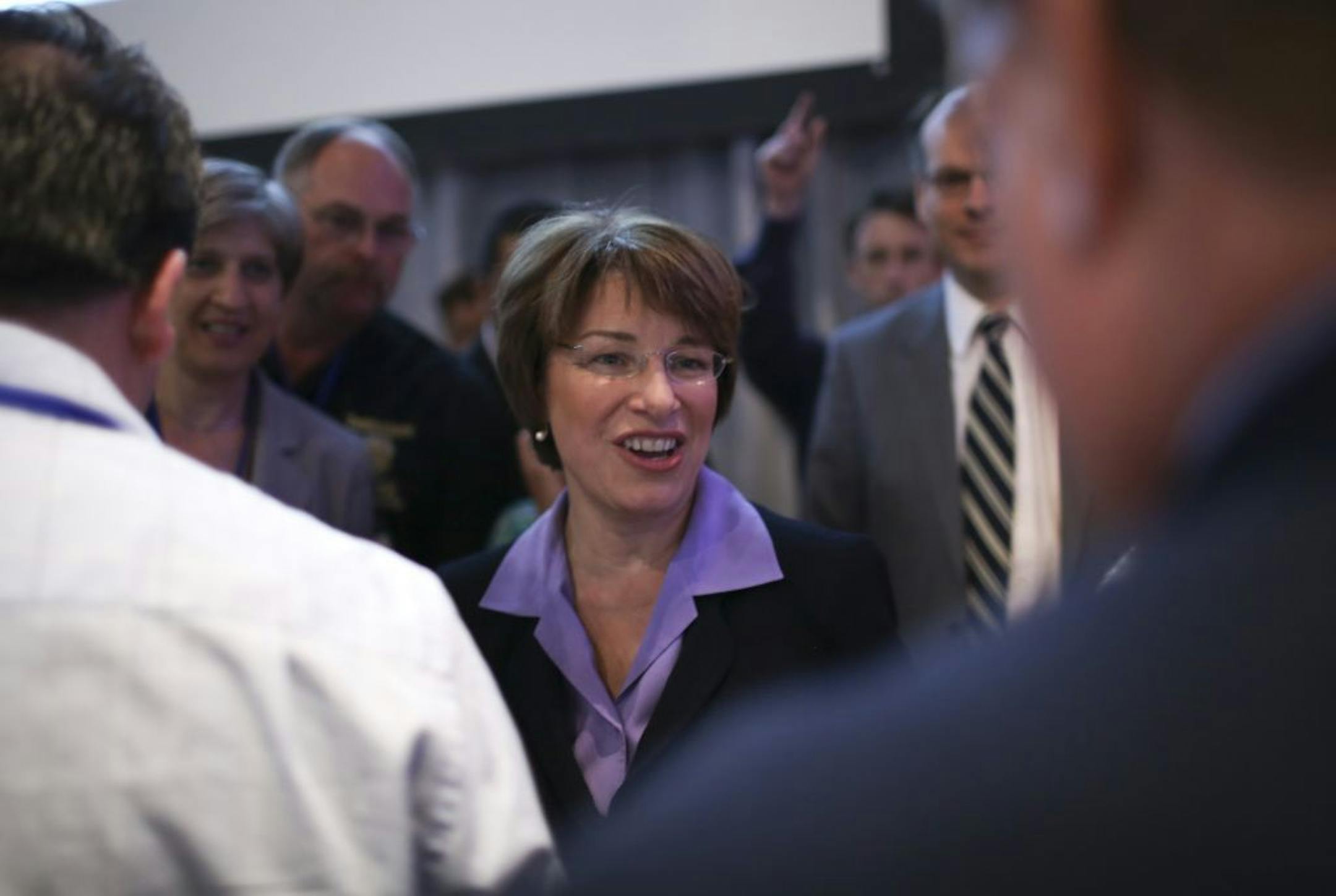
So when U.S. Sen. Al Franken invited FDA Commissioner Margaret Hamburg to meet with him, U.S. Sen. Amy Klobuchar and representatives of Minnesota's med-tech industry, it was another chance for them to tell the commissioner about the need to cut regulatory red tape and ease the path of devices to market.
Hamburg met with the Democratic senators and med-tech leaders behind closed doors at the U.S. Food and Drug Administration's downtown Minneapolis offices. Later, they emerged to say they'd shared ideas, thoughts and concerns about the direction of med-tech and what they say needs to be done to improve it.
Hamburg and the senators sounded an optimistic tone. Pointing to the FDA Safety and Innovation Act signed into law last month, Hamburg said the logjam for approving medical devices already is loosening.
"One reason I think it's going to change is we're starting to see change already," Hamburg said, adding that passage of the legislation -- which includes a new fee agreement between the medical technology industry and the FDA -- will give the agency additional resources and authority.
For instance, an additional 200 people will review and approve medical devices, she said. There also will be more resources for training reviewers and stronger management of the review process.
Folks inside the industry acknowledge the FDA often is caught between a rock, a hard place and an anvil -- trying to satisfy industry advocates and patient groups that think medical devices are approved too slowly, while some consumer groups and attorneys worry that devices are hitting the market without adequate vetting. Still others complain the FDA's oversight role does not have predictability and transparency.
But Franken and Klobuchar said the new law gives the FDA more funding and flexibility. The process of approving new devices also will be improved -- and shortened -- by loosening conflict-of-interest rules that will allow a greater number of outside scientists to be able to review proposed medical devices. They also touted a new initiative between the FDA and LifeScience Alley to work together to improve regulatory science.