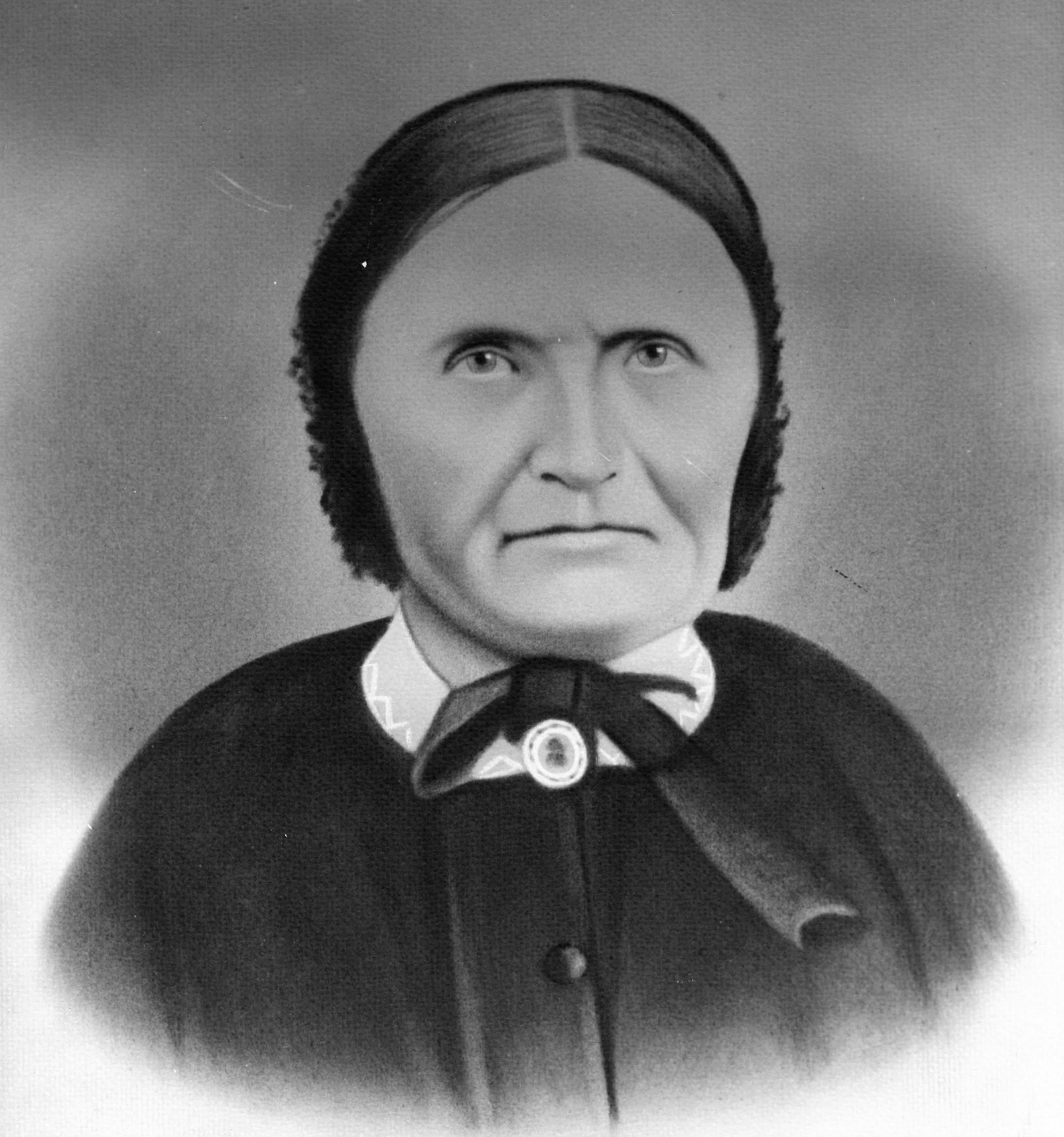
Guri Olsdatter Endreson was one understated Norwegian. And that might explain the discrepancies in the stories of her heroics when the U.S.-Dakota War erupted in western Minnesota in 1862.
A 49-year-old mother of nine, Endreson lived in a farm cabin 4 miles northwest of what would become Willmar.
Starving and sick of broken promises from the U.S. government, some Dakota fighters attempted to win back their homeland in a series of violent attacks while most of Minnesota's able-bodied white soldiers were fighting in the Civil War down south.
Four days into the six-week clash, Guri's husband, Lars, was splitting wood and their oldest son, Endre, was digging potatoes when the Dakota swept in and killed both men. Another son, 14-year-old Ole, was shot in the shoulder, and two daughters, Guri (16) and Brita (9), were taken captive.
Guri and her youngest child, a toddler named Anna, hid in a root cellar and escaped. Becoming lost, they returned home to find Ole injured and left for dead.
After burying Lars and Endre, Guri and Ole hitched a pair of unbroken oxen to a stone sled and headed east with little Anna toward the cabin of one of her married daughters.
That's where Guri found her son-in-law, Oscar Erickson, and his neighbor, Solomon Foot, badly wounded in a gunfight with the Dakota. "The two men had lain there for two days and nights, in oppressive heat, plagued by insects and near death," according to the Kandiyohi County Historical Society.
In a 1905 book, Foot said Guri Endreson "washed our bodies, bandaged our wounds and gave us every possible comfort."