

For the second time in as many weeks, worshipers were attacked in a horrific, hate-filled assault.
Last week, it was Christians on Easter Sunday in Sri Lanka as three churches and three hotels were targeted in suicide bombings carried out by Islamic terrorists allegedly directed by ISIS in attacks that killed at least 250 people. On Saturday, it was Jewish congregants at the Chabad of Poway, a synagogue about 25 miles north of San Diego, six months to the day after an attack on the Tree of Life Synagogue in Pittsburgh killed 11 and injured seven.
In March, Muslims in Christchurch, New Zealand, were attacked at two mosques during Friday prayers in assaults that killed 50.
More innocent victims, including nine slain in 2015 at the Emmanuel African Methodist Episcopal Church in Charleston, S.C., have died in what should be sanctuaries from worldly evil.
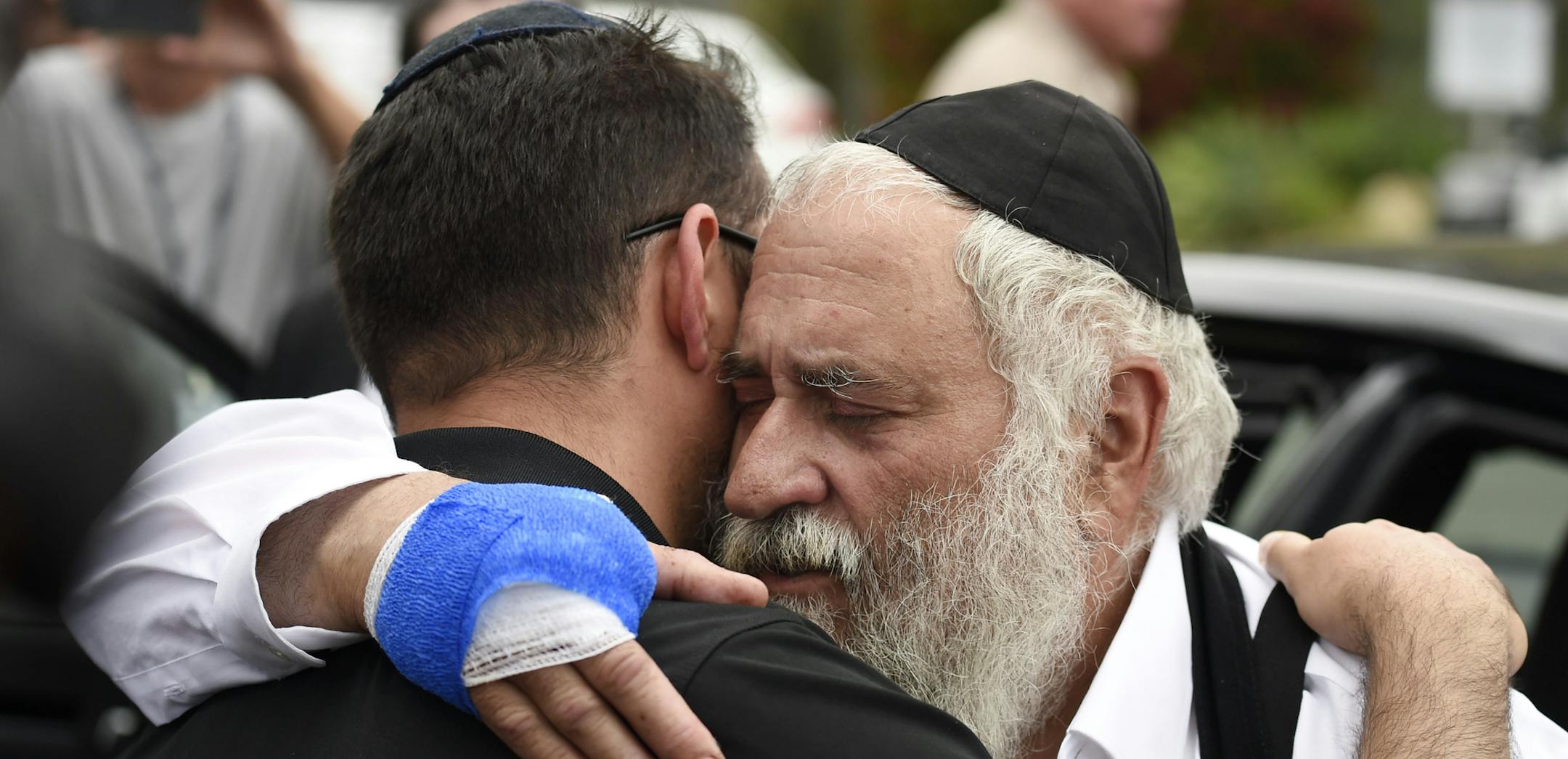
Saturday's attack killed one 60-year-old woman who tried to protect Rabbi Yisroel Goldstein, who himself was wounded confronting the gunman. A 34-year-old man and a young girl were also injured.
His hands bandaged after being shot, Goldstein later said in an interview with NBC's "Today Show" that "terror will not win."
That message, and the rabbi's inspirational courage in confronting the gunman, should resonate as the world faces the rise of sectarian hate.
In the U.S., the perpetrators are typically lone wolves — not those directly connected to larger terror groups — often inspired by white-nationalist, anti-Semitic, Islamophobic or other extremist hate-laced rhetoric rocketing around the internet.


