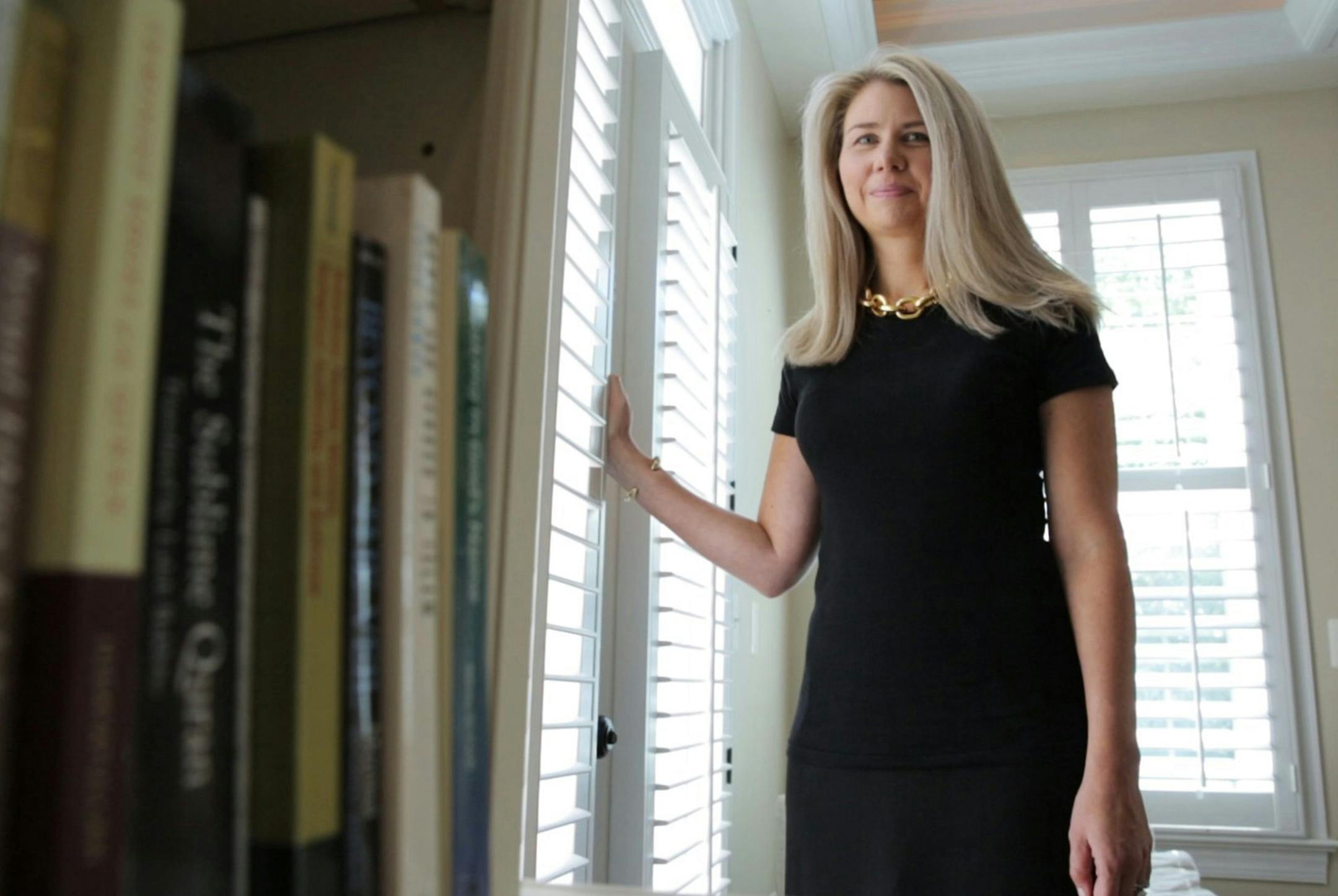
When Jennifer Zobair sat down to write her first novel, she already had a muse in mind for the heroine, a glamorous, foul-mouthed Muslim woman whose high-profile job in Boston politics is on the line after a terrorist attack.
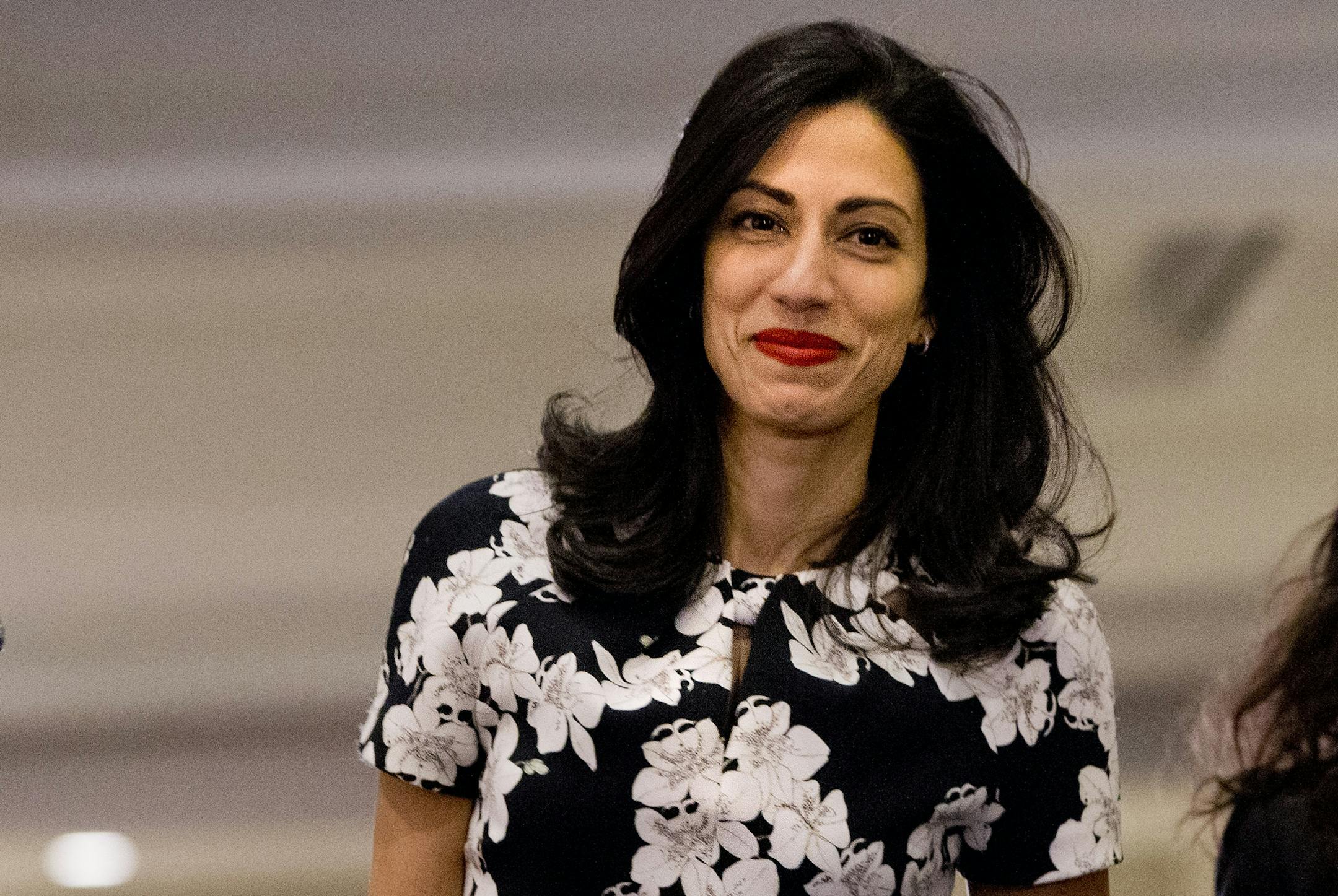
The character, Zainab, was inspired in part by Muslim political operative Huma Abedin, a longtime aide to Hillary Clinton and vice chairwoman of Clinton's 2016 presidential campaign. Zainab and her fictional friends struggle to balance their high-pressure jobs with family expectations, like many real-life Muslim girlfriends of the author, an Iowa-born convert to Islam. And although terrorists are central to the plot, Zobair said, she was determined not to let them overshadow the romance.
"I was thinking of people with anti-Muslim views and thought, 'Can I change that? What would it take?' " Zobair recalled in an interview. "Well, it's got to be love."
Unfortunately for Zobair, her book, "Painted Hands," was released in spring 2013, coinciding with the Boston Marathon bombing, in which two radicalized Muslim brothers killed three people and wounded more than 250. Reviewers wouldn't touch a Muslim love story set in Boston, Zobair said. And so the novel she'd hoped would introduce the unseen lives of ordinary Muslim families got lost in the coverage.
"It was sad because the publicist kept saying, 'This is a time where people need to read your book, because it's showing what Muslim American lives are like in a way that people don't see,' " Zobair said.
This unhappy ending is familiar to Muslims across the arts who are struggling to diversify depictions of Islam only to confront hardened stereotypes and a lack of executive support across creative fields. Muslims working in mass media named three common archetypes representing a faith with more than a billion followers: the terrorist "bad Muslim," the hyper-patriotic "good Muslim," and the oppressed woman yearning for liberation.
The past couple of years have yielded a handful of breakout moments, but representation of Islam remains overwhelmingly narrow and negative — a problem that's not only unjust on its own, but one that also stokes anti-Muslim prejudices at home and gives ammunition to jihadist recruiters abroad.
Propaganda tool
"Let's use our heads here and think about the enemy in this case," said Jack Shaheen, a media scholar who has tracked depictions of Arabs and Muslims for 40 years. "Every time an American leader or TV show vilifies American Muslims or Arabs, that's a propaganda tool to say, 'See what America thinks of you? See how Americans talk about you? We're ISIL, we love you, come to us.' "