

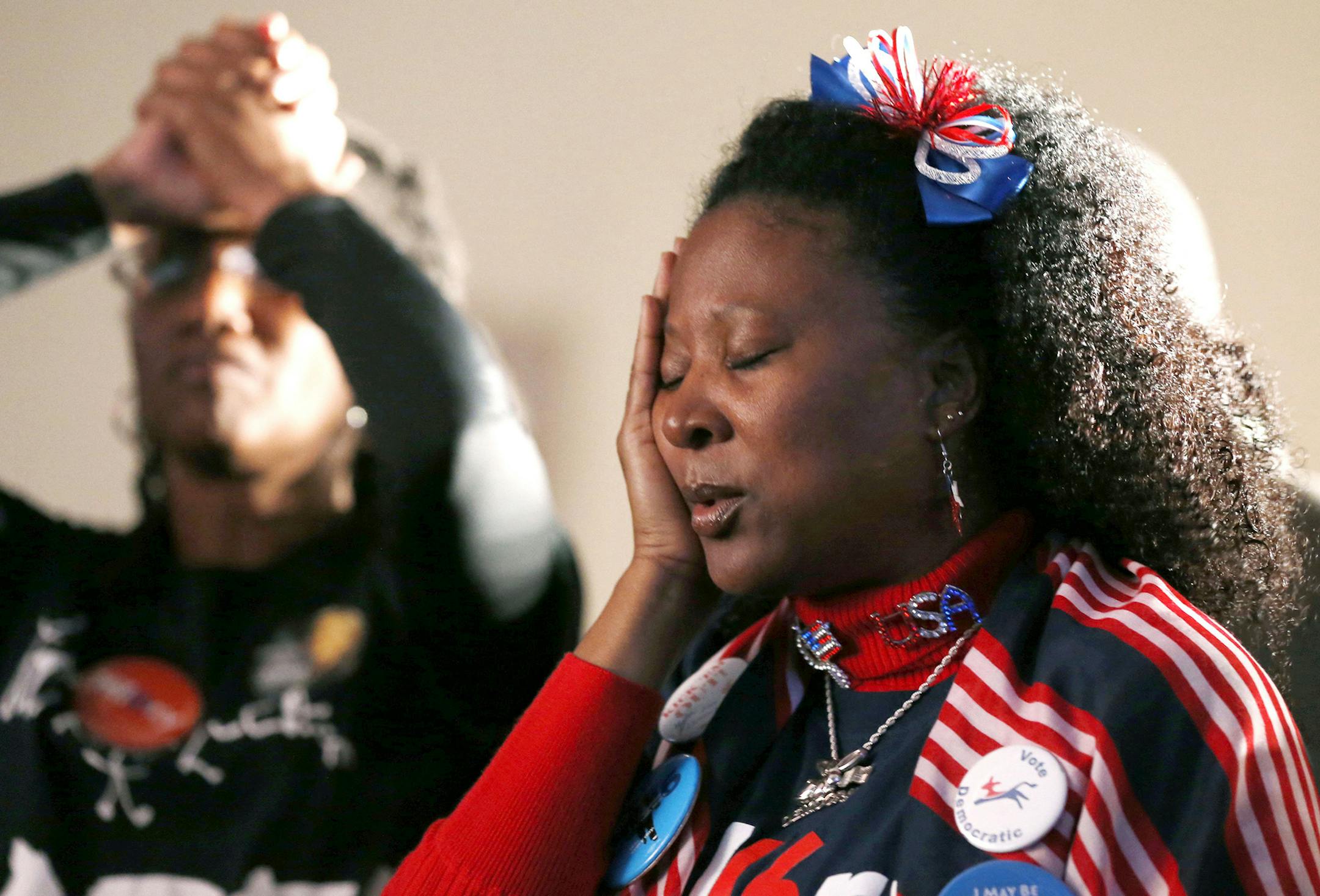
For African-American/black men, I imagine the election result felt a bit different than it did to their white counterparts in the nation; at least for me it did.
Last week, I watched patiently at a bar for what was to be the historical election of our first woman president. Before Nov. 8, the idea of going out on a Tuesday to a bar to celebrate anything, let alone watch up-to-the-minute election coverage, was unheard of, but there was just something about this moment that I had to be a part of.
By 10:30 p.m., sitting in an establishment in Uptown Minneapolis, I leaned over to a friend and said, "Let's go."
"Why?"
"I don't want to be in public when we learn the results."
On Wednesday morning, I awoke to the news that has troubled many Americans in the past week: Donald Trump is president-elect.
I didn't feel angry; I wasn't upset, wasn't really all that surprised. After checking my phone and learning the news, my reaction was what I imagine the reaction would be if I were a parent of a teenager who had just strolled in past curfew — I was a little worried, a little disappointed, not all that surprised, and almost certain this wouldn't be the last time.
During the second half of my week, I unconsciously started searching for the outrage my fellow Democrats were feeling. To me, it didn't seem fair that everyone was so upset and I was barely moved to a reaction.


