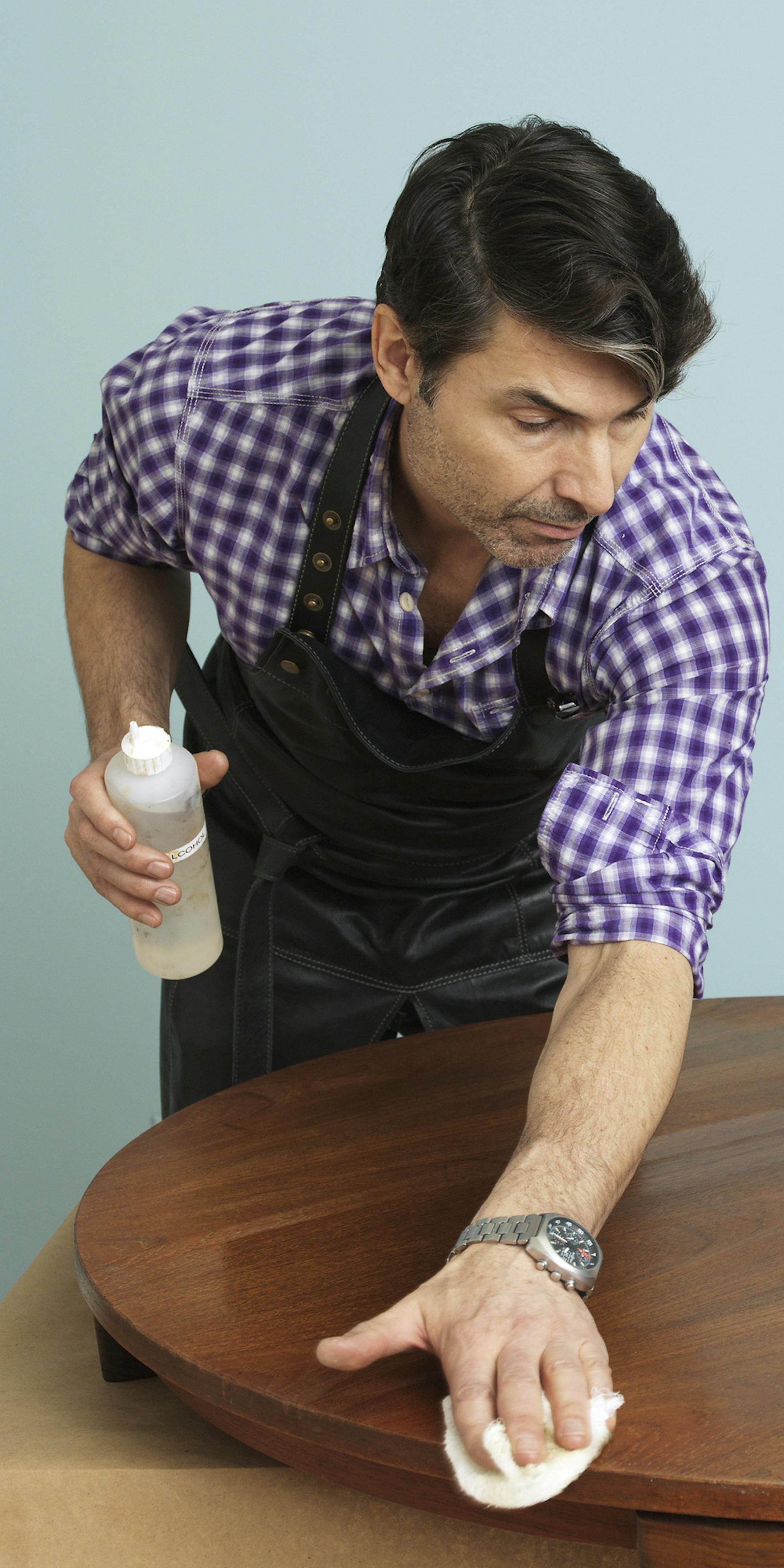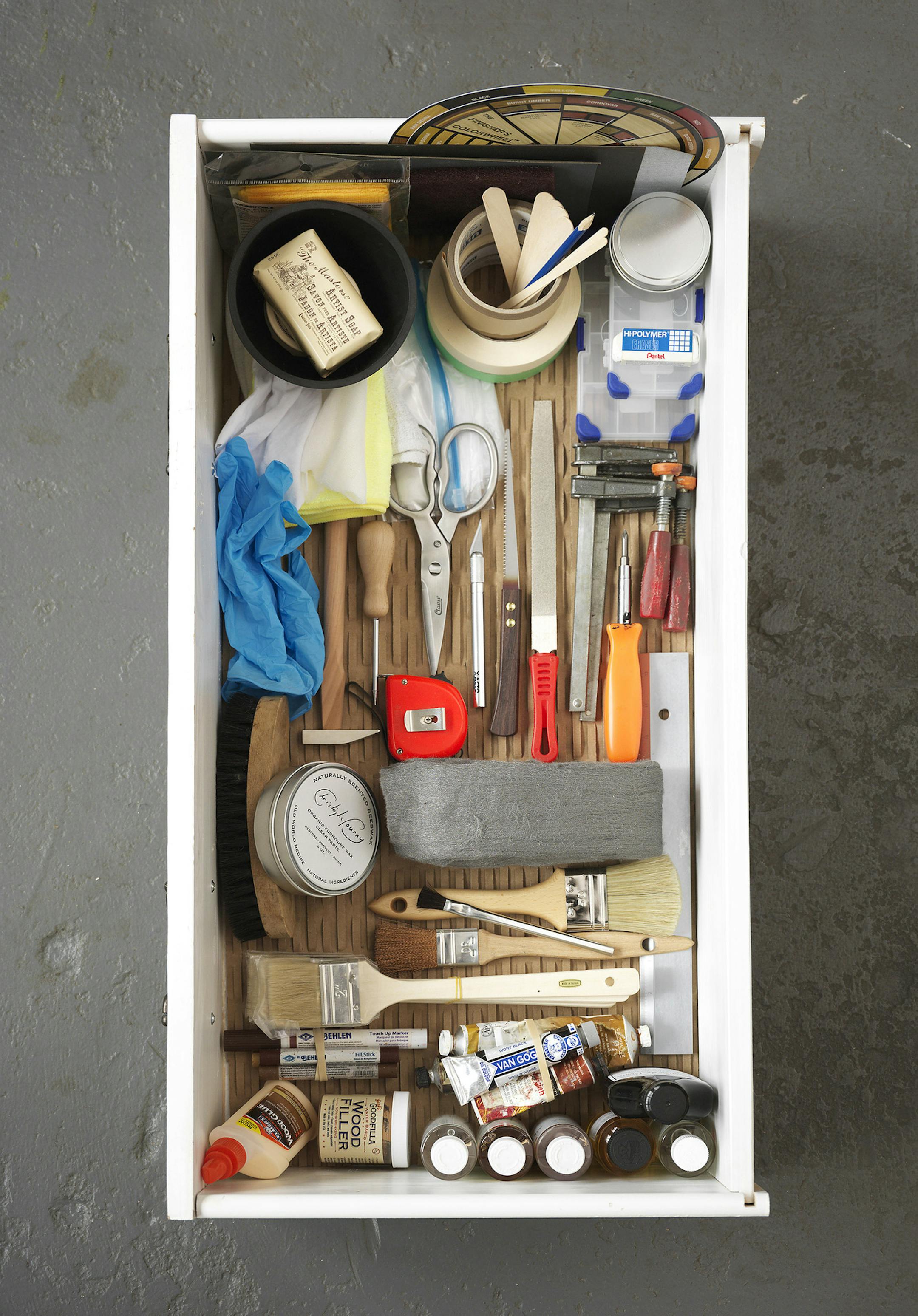
When wear and tear take a toll on houses, we know what to do: Repair, repaint, even renovate. But what about the stuff under that roof? Furnishings also require repair — and sometimes change: Chairs sag, legs break, tabletops are scratched, wood fades from sunlight and stylistic trends may dictate a shorter leg or different hinge.
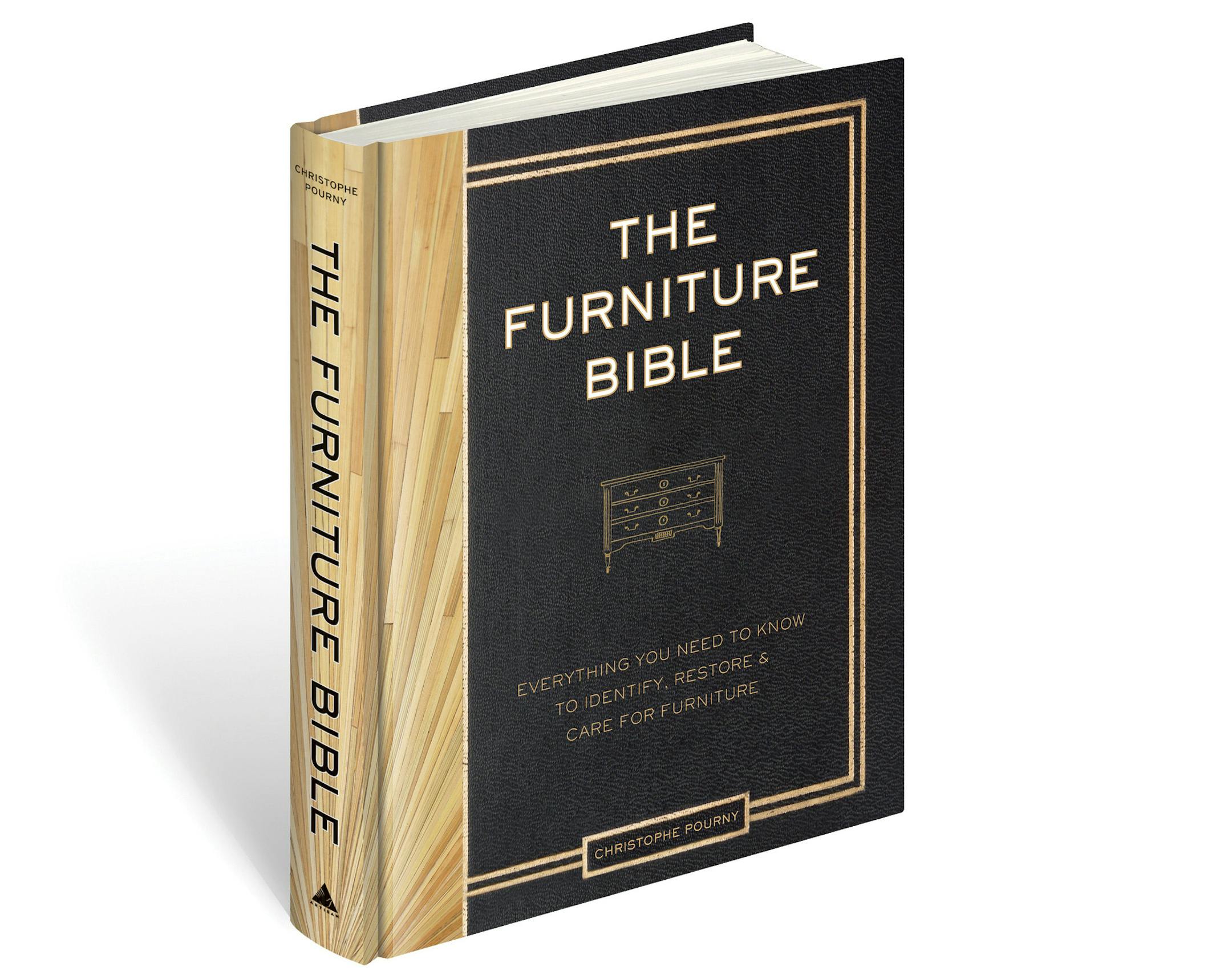
Master change artist Christophe Pourny, 52, has restored furniture of all kinds — new pieces as well as antiques. He learned the trade from his father and uncle in the south of France, where he was born, but has worked from his studio in Brooklyn, N.Y., the past 20 years. He recently wrote "The Furniture Bible" (Artisan) to share tips for spiffing up pieces on your own or with professional expertise. We called him to find out what we ought to be doing for our furniture.
Q: Why is it so important to understand the history of furniture, say the difference between an English Jacobean chair and a 1910 Arts and Crafts one?
A: If you don't know what you have in front of you, you don't know how much to pay for the piece, whether it's an original or what should be done to repair it. A piece from the 16th or 17th century may be much more expensive than something from the 19th century, which was a time of revivals and copies. You can easily be fooled. I want to know as a restorer, since the technique to finish isn't the same for a Queen Anne chair redone in the 19th century vs. an Arts and Crafts piece from the turn of the century. During the latter time, there was much more emphasis on quality instead of mass production.
Q: Can you give us two or three general tips to keep a piece looking fantastic forever, whether an antique or something purchased brand-new?
A: You don't have to wait generations for furniture to get damaged. The biggest culprits are water, heat and light. Even with UV-controlled panes, light can get through, so it's often a tough call whether to leave shades down or up. I tell clients to leave them down when they're not home. Dry heat also is bad since it causes wood to crack, especially in winter. You need a humidifier then, and an air conditioner in summer. Water causes damage and not just with floods; accidents happen. And wood expands, retracts, and isn't the same over time.
Q: What about the trickier sources of damage — namely, guests and children?
A: Yes, some people don't know how to sit on a chair, or use a table with a glass top, or open a drawer with two handles — and they use only one, which isn't good.