

With a number of new electric vehicles entering the U.S. market, auto shoppers are more likely than ever to consider going electric. But the interest is still far from universal.
In the U.S. Electric Vehicle Consideration Study done by J.D. Power, the percentage of shoppers who say they are "very likely" to consider an EV for their next purchase or lease went up four percentage points from last year to 24%.
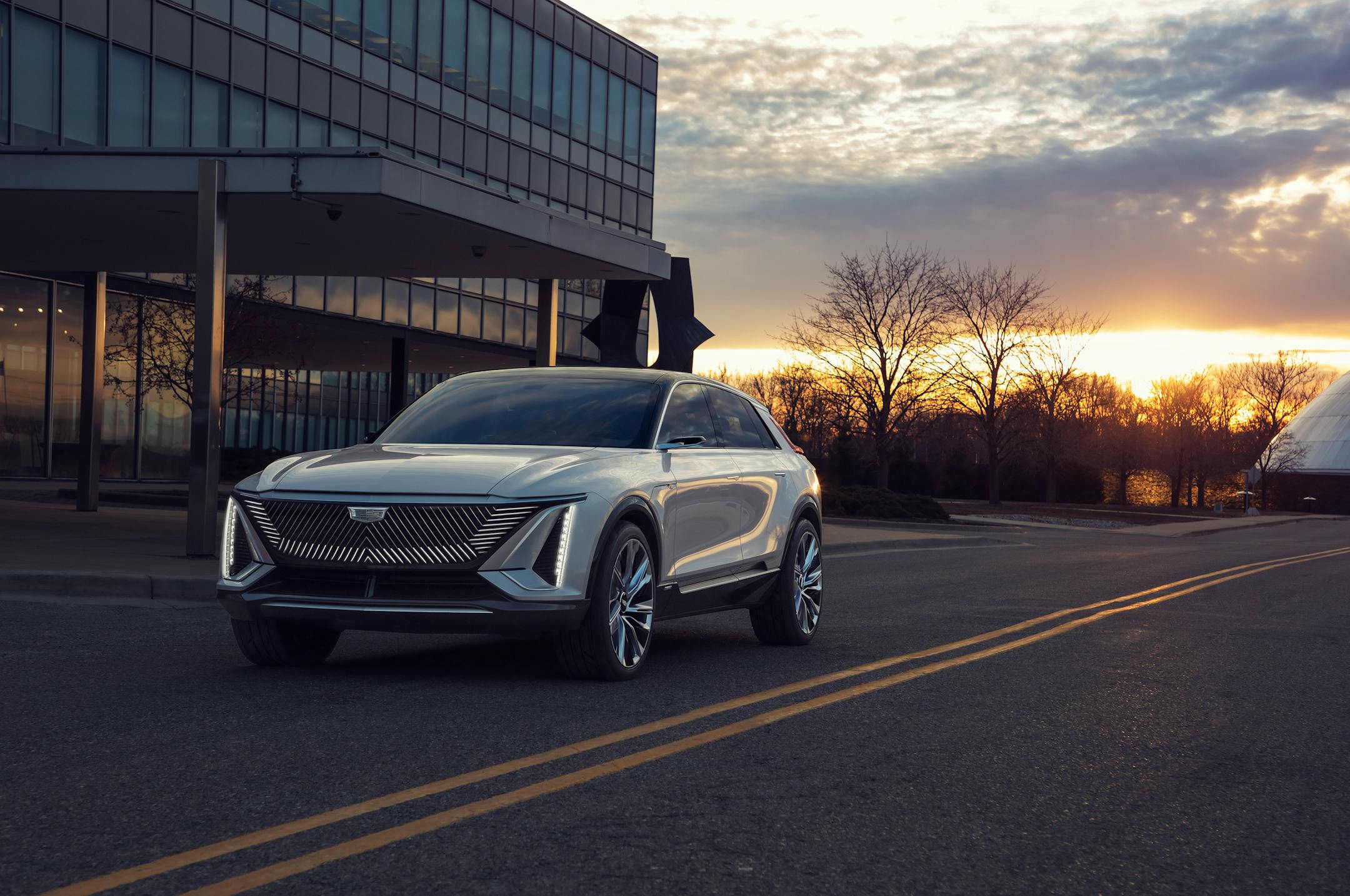
The introduction of new electric models is a primary reason for the increased consumer interest, the study found. Over the past year, there have been several new EV entries available for order, including the Cadillac Lyriq crossover, Ford F-150 Lightning, the Kia EV6 and the Volkswagen ID.4.
But automakers still need to do more to get people in EVs to test them out and increase consideration.
"Though the study findings show a shift in favor of EVs, about 76% of new-vehicle shoppers say they are not 'very likely' to consider buying one," said Stewart Stropp, senior director of automotive retail at J.D. Power, in a statement. "With new EV model introductions coming at a rapid pace, automakers must continue their efforts to persuade more shoppers to give these vehicles a try."
While electric vehicles remain a tiny part of U.S. sales, their market share is growing. Less than 1% of vehicles on U.S. roads are electric, but sales have increased steadily as more models become available and as gas prices have surged because of Russia's war in Ukraine. In the first quarter of this year, EV market share was 4.2% of total U.S. automobile sales, up from 1.9% in the first quarter of 2021, according to Edmunds.com, a vehicle information website.
The electric vehicle consideration study, now in its second year, measured responses of 10,030 consumers received from February through April. The study includes reviewing overall EV consideration by geography, demographics, vehicle experience and use, lifestyle and psychographics. It also includes model-level consideration details such as cross-shopping and "why buy" findings, and an analysis of why EVs are rejected.
The study found that 27% of shoppers who own their home say they are "very likely to consider" an EV, compared with 17% of those who rent.


