

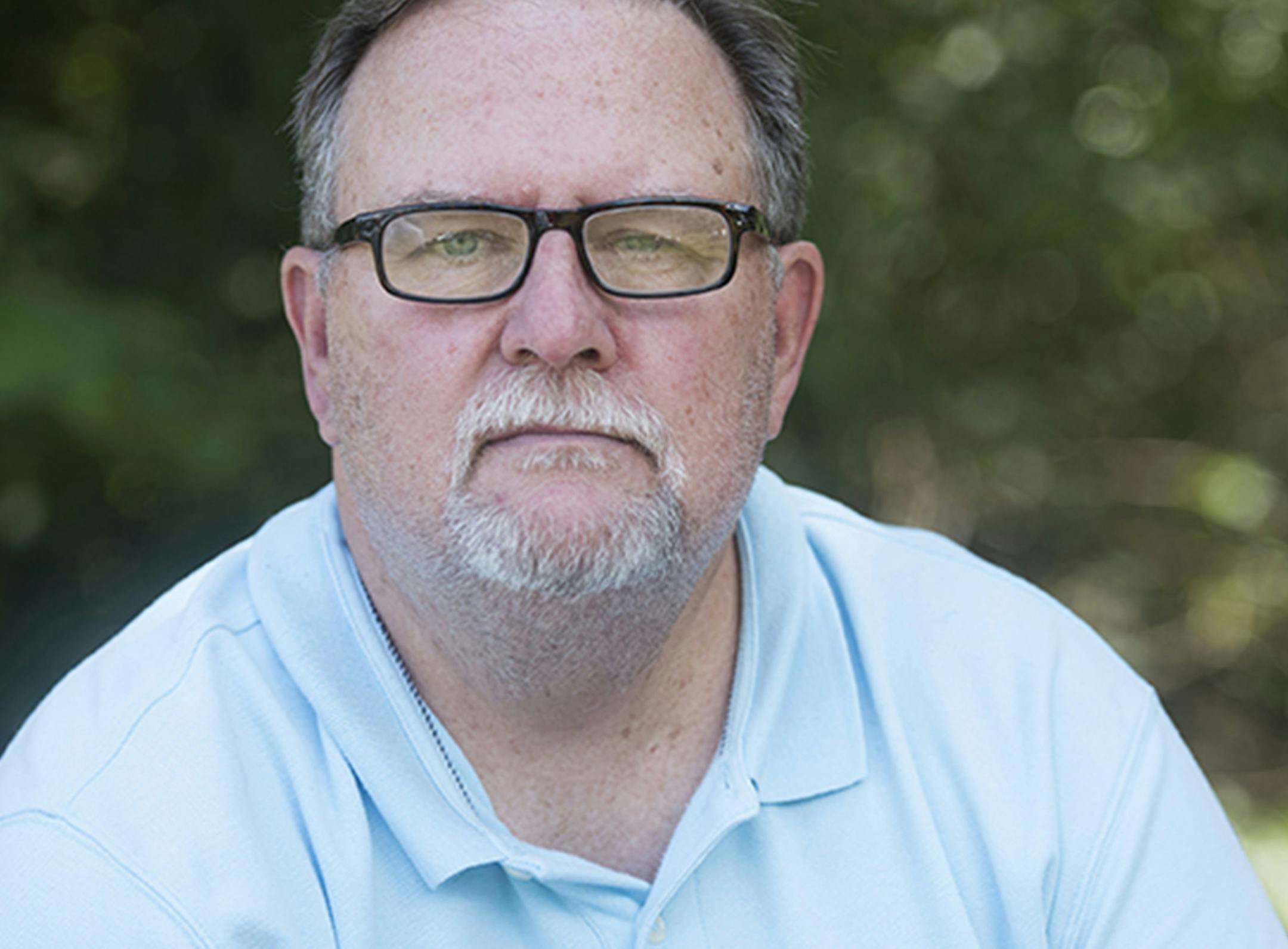
Clyde Boyce has been hospitalized 14 times in the past four years. Boyce, 61, survived two strokes and five operations to unblock arteries around his heart. He takes 18 pills a day and gets injections every two weeks with a powerful drug to lower cholesterol.
Yet the disease that came closest to taking Boyce's life wasn't a heart condition. It was depression, which led him to attempt suicide twice in the year after his first surgery.
One in 5 people hospitalized for heart attack or chest pain develop major depression — about four times the rate in the general population, according to the American Heart Association. One in 3 stroke survivors become depressed, along with up to half of those who undergo heart bypass surgery.
Heart disease patients who become depressed are twice as likely to die within the following decade as other patients, according to an unpublished study presented in March at the American College of Cardiology's annual meeting.
Depression increased the risk of death more than any other risk factor in the study — even smoking, said lead author Heidi May, a cardiovascular epidemiologist at the Intermountain Medical Center Heart Institute in Utah.
Relatively few heart patients die from suicide. Most often, depressed heart attack survivors die of physical causes, partly because they're less motivated to take care of themselves and take medication as directed.
"You may be told to change your diet, but if you're depressed, you may think, 'This is too overwhelming. I can't even process this information right now,' " said Kim Smolderen, an assistant professor at the University of Missouri-Kansas City.
The American Heart Association has recommended that cardiologists screen all heart attack patients for depression, using a short questionnaire, since 2008.


