

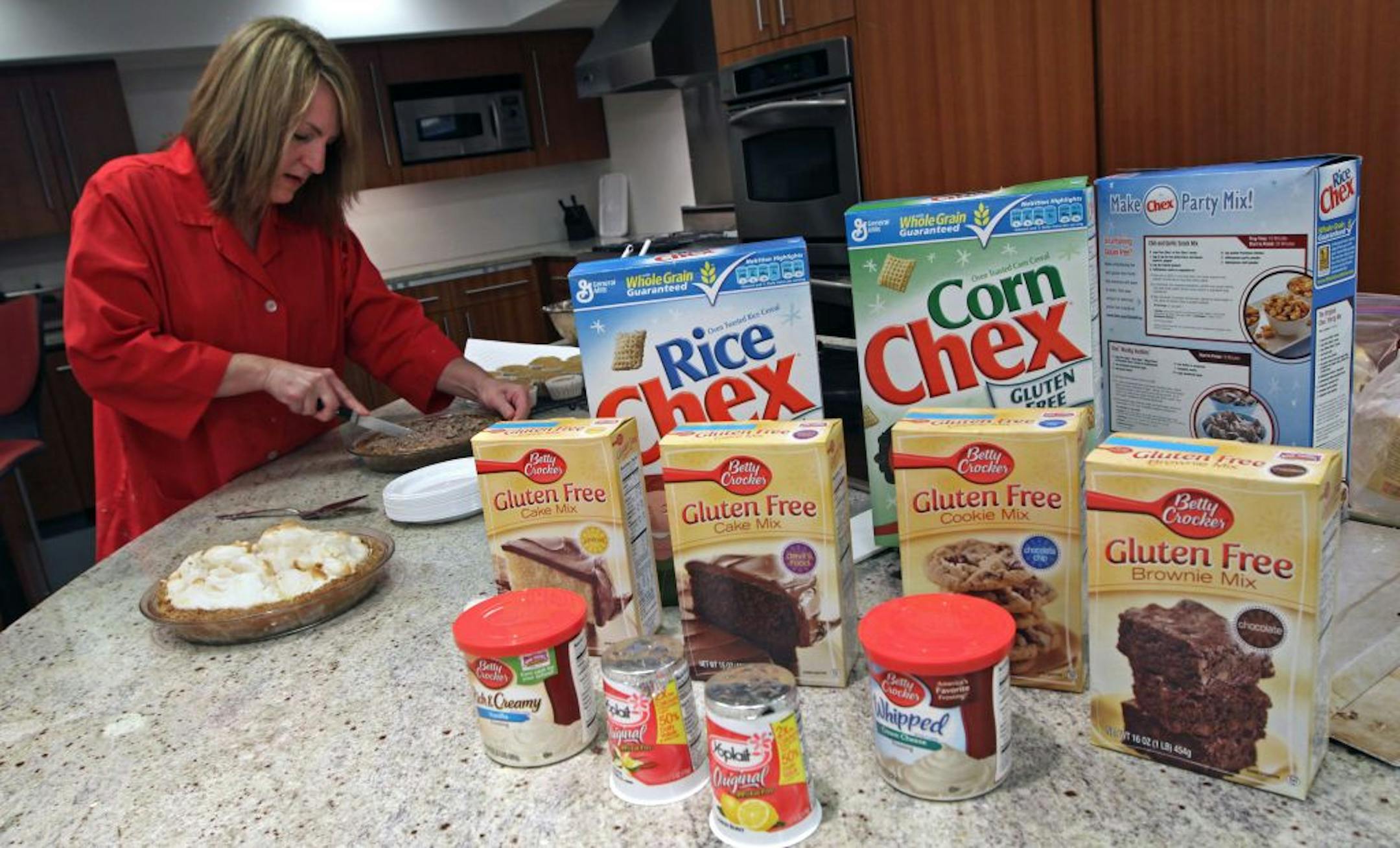
It's one of the hottest trends in the food industry: gluten-free.
All manner of products -- cereal, cake mix, even beer -- are making the jump from niche stores to the nation's biggest supermarkets. Celebrities have touted a gluten-free diet as way to lose weight and feel healthier. Big food manufacturers have started investing heavily, with Golden Valley-based General Mills leading the way.
Yet for most of the population, there's no proof that a gluten-free diet offers any benefit -- and it's more costly.
"There are a lot of misconceptions about the gluten-free diet out there," said Whitney Ehret, communications director for the National Foundation for Celiac Awareness.
The foundation represents the small group of people for whom the growing variety of gluten-free foods is a godsend -- those with celiac disease or gluten sensitivities. Celiac sufferers' diets must be free of gluten, a protein found in wheat, barley and rye, while those sensitive to gluten should avoid it.
But celiacs and the gluten-sensitive make up only about 6 percent of the U.S. population.
Gluten, an essential component in making cakes fluffy and cookies chewy, has in a way become demonized. Some products billed as gluten-free don't even contain gluten to begin with, but marketers want to capitalize on the sudden health halo.
Carol McCarthy Shilson, executive director of the University of Chicago's Celiac Disease Center, has celiac disease and says gluten-sensitive consumers these days have many options for good tasting, quality food. Retail sales of gluten-free products rose from an estimated $935 million in 2006 to an estimated $2.64 billion in 2010, according to a February report by Packaged Facts, a market researcher.



