FORT LAUDERDALE, Fla. – The solution to a vexing — and deadly — problem for modern medicine could be lying on the ocean floor.
Just like some insects have evolved to resist synthetic chemical insecticides, new infectious diseases have emerged over the past 20 years that can't be controlled by the antibiotics doctors have at their disposal.
It could be sea sponges to the rescue, scientists said.
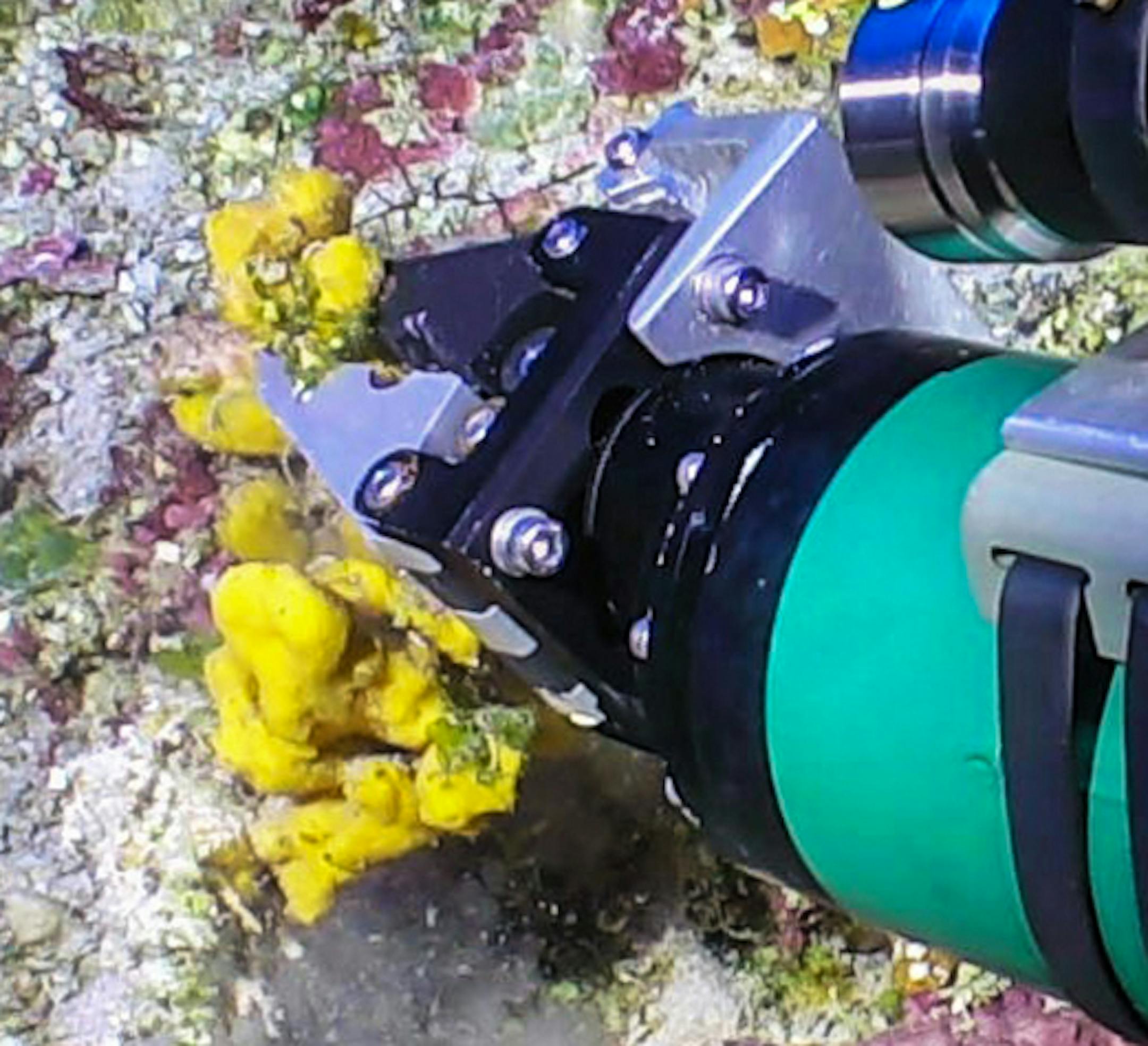
In a study published in the journal Frontiers in Microbiology, researchers identified several chemical compounds produced by microbes that live in deep-sea sponges.
These secretions show promise in defeating antibiotic-resistant infections such as Methicillin-resistant Staphylococcus aureus (MRSA) and clostridium difficile (C.diff), which menace patients in hospitals and long-term nursing facilities and cause numerous deaths every year.
"There is this desperate need to find new antibiotics," said Peter McCarthy, a marine microbiology professor at Harbor Branch Oceanographic Institute. "We have picked up many sponges that have never been seen before. So that led us to believe they contained microbes that had never been seen before."
The Centers for Disease Control and Prevention puts C.diff at the most urgent level of threat. MRSA is categorized as a "serious" threat.
The lab at Harbor Branch has sponge samples collected over the past 30 years from as deep as 3,000 feet under the sea off the coasts of the United States, the Caribbean, Europe and Africa. Studying these sponges, scientists have identified about 19,000 microorganisms that live in these sponges.