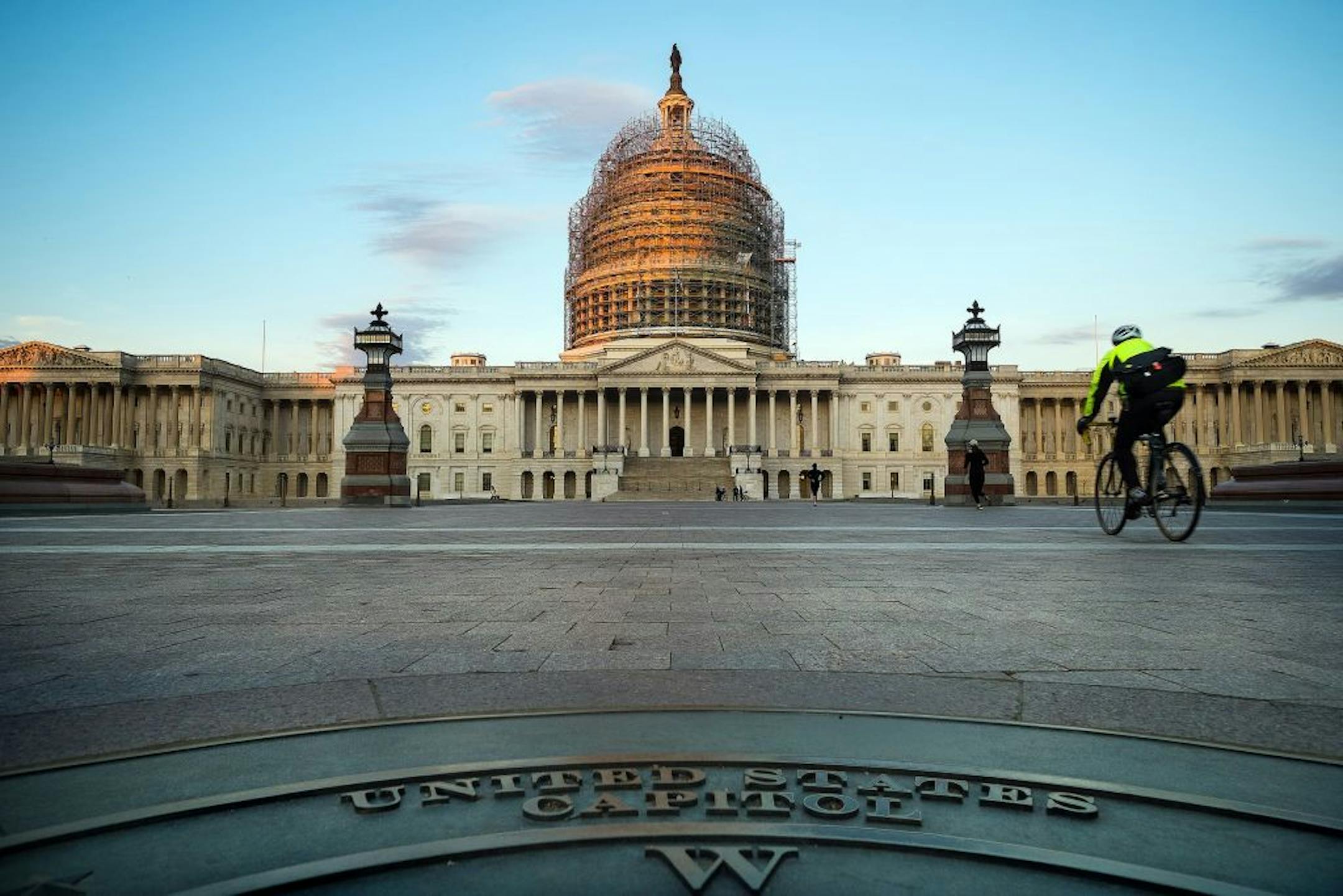
When it convenes Tuesday, the Republican-controlled 114th Congress will bring a wave of reinforcements to enhance the clout of President Obama's antagonists. But it remains to be seen whether that will set the stage for two years of continuing conflict, or open a door to compromise as both parties seek to lay the groundwork for the 2016 presidential race. Here is a look at some of the lawmakers who will probably play key roles in the 2015 congressional battles:
The hard-liners
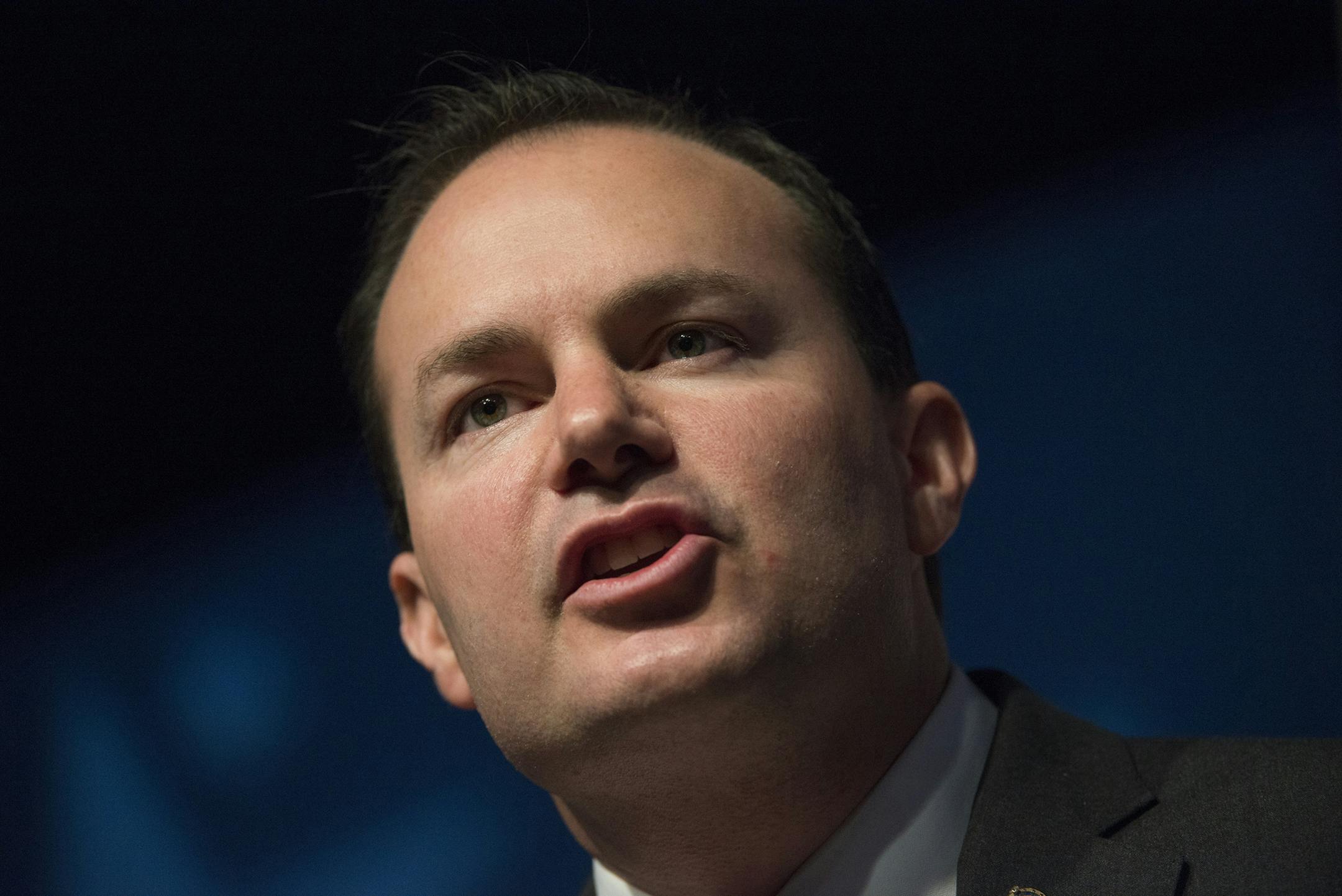
Texas Sen. Ted Cruz usually grabs most of the attention on the Republican side, but look for Utah Sen. Mike Lee to step out of that shadow as a prominent leader of the Tea Party wing. Lee was Cruz's chief ally in past showdowns, such as the effort to defund President Obama's health care law and his executive actions on immigration. Both issues are sure to be on the agenda this year.
After unseating a moderate Republican incumbent in 2010, Lee has worked to develop a conservative policy platform. But the 114th Congress will test Lee and his conservative convictions as members of Republicans' establishment wing consider a 2016 primary campaign against him in his solidly Republican state.
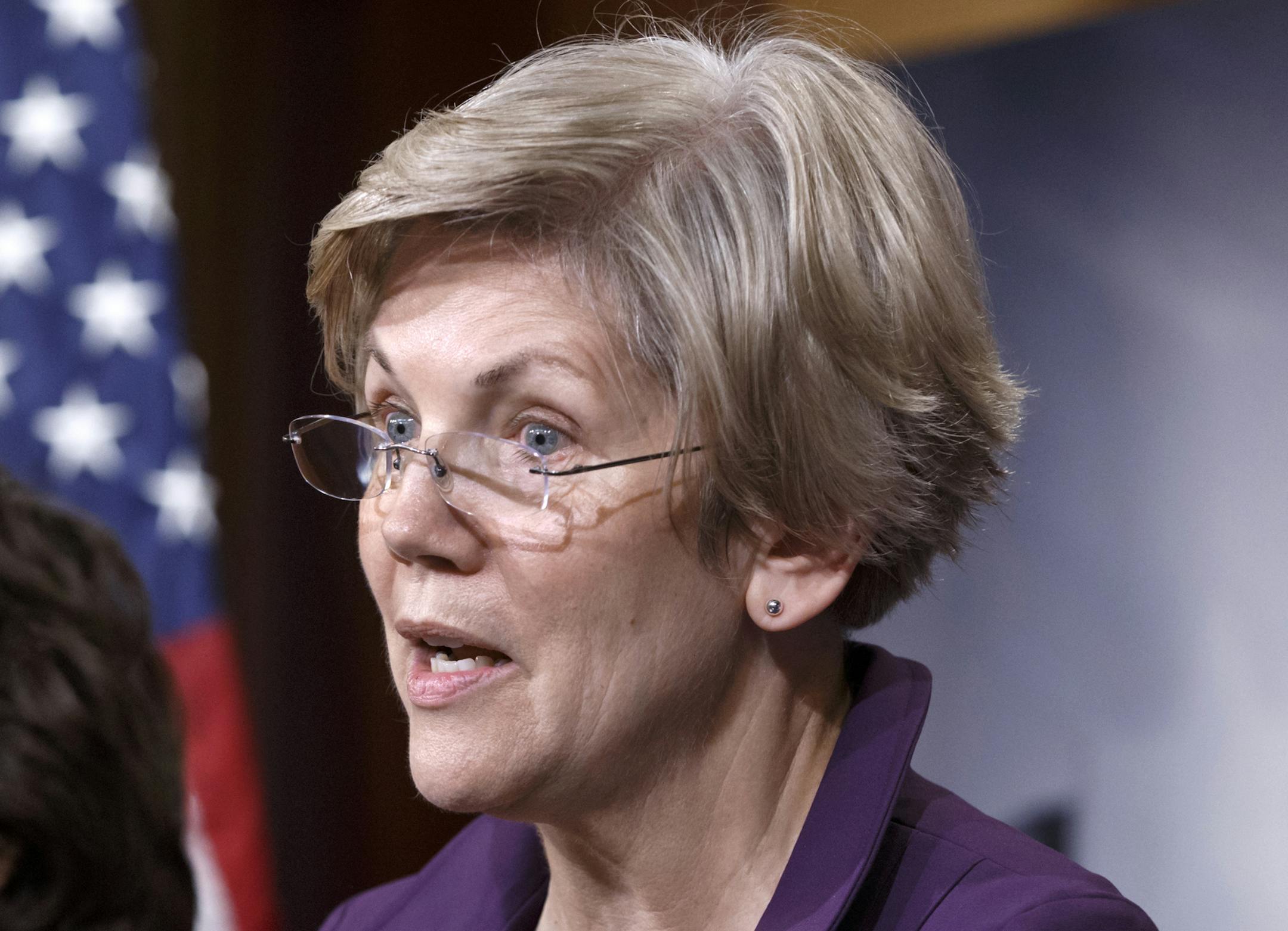
For Democrats, the next two years may be judged by how Sen. Elizabeth Warren wields her influence with the party's progressive base. Until recently, she'd largely followed the traditional low-profile route for new senators. But the fight in November over a major spending bill, which included eleventh-hour changes to relax banking regulations, prompted Warren to take a leading role against the deal.
Warren has a new, somewhat informal leadership title for the Democrats as they become the Senate's party for the first time in eight years. She says she is not running for president in 2016, but hasn't slammed the door shut in the way Hillary Clinton and other would-be Democratic presidential candidates might like.
The insiders
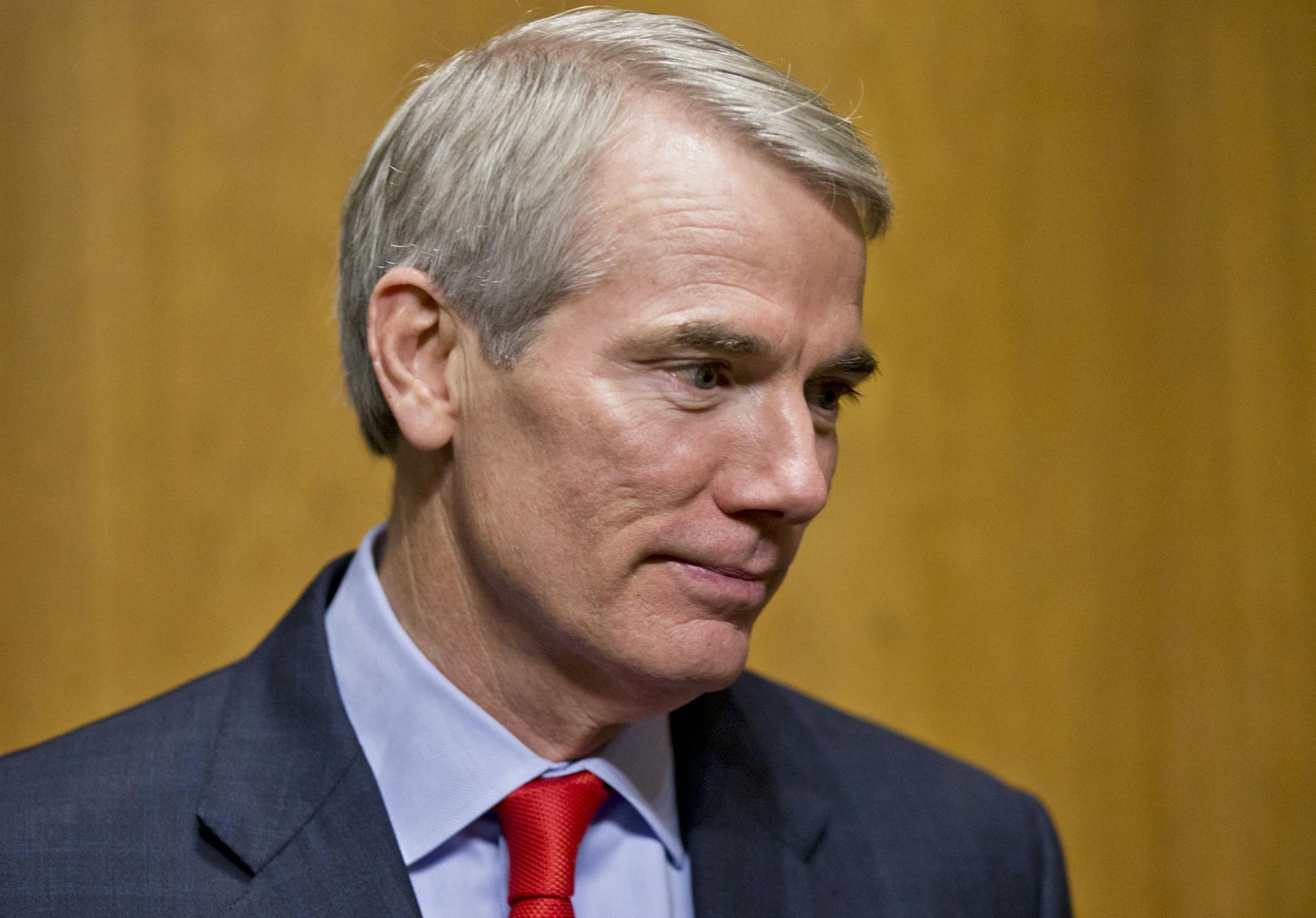
Republican Sen. Rob Portman of Ohio has been a behind-the-scenes player in Washington for years - including six terms in the House and two years in George W. Bush's administration as trade representative, and then budget director. He was on Mitt Romney's short list for vice president in 2012 and considered a 2016 presidential candidacy of his own before announcing last month that he would focus instead on running for re-election to the Senate.
Incoming Majority Leader Mitch McConnell was among the happiest with Portman's decision. Not only does it mean McConnell probably doesn't need to worry about Republicans losing the Senate seat in 2016, it also frees Portman to help advance party priorities. Portman's background makes him a natural for helping to guide the budget-writing process that will consume Washington for much of the early part of the year. He'll also have a seat at the table for talks about tax reform.