
Carver County moves to acquire storied Coney Island

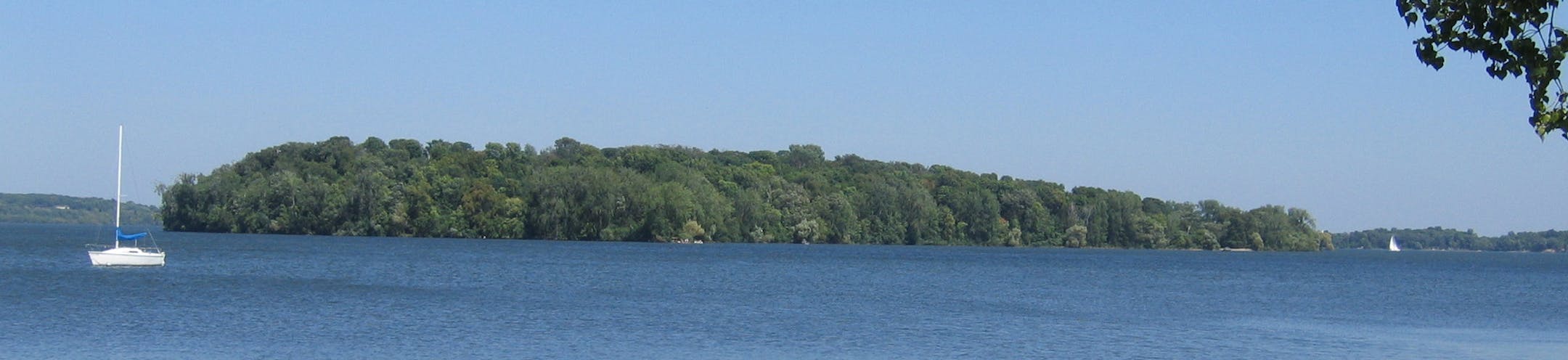
The county wants to transform storied Coney Island, home to herons and egrets, to a place for recreation, as well as historical interpretation.

March 23, 2015 at 12:57AM
Photo courtesy of Carver County
Coney Island, a 30-acre island, is expected to be popular with hikers and campers when it becomes part of Lake Waconia Regional Park. (The Minnesota Star Tribune)

Carver County has taken the first step to acquire Coney Island, a 30-acre parcel in Lake Waconia that was a hot spot for summer tourists in the late 1800s but is now vacant.

Earlier this month, the Carver County Board approved a pledge and donation agreement with a foundation established by the island's owners, Waconia residents Norman and Ann Hoffman. The agreement lays the groundwork for a complex series of transactions that will transfer ownership of the island to Carver County and provide funds to clean it up and make improvements.

"The Hoffmans have the desire to preserve the land, interpret the island's history and provide recreational opportunities," Marty Walsh, Carver County Parks director, told the board. Uses are expected to include hiking, picnicking, camping, wildlife observation and historical interpretation.

"This is an unbelievable gift to the residents of Carver County," said Commissioner Tim Lynch.

Walsh said the island essentially will become part of Lake Waconia Regional Park. The regional park has 130 acres of woodlands and wetlands and a beach for Lake Waconia, the metro area's second-largest lake after Lake Minnetonka. The park draws about 100,000 visits a year, Walsh said.

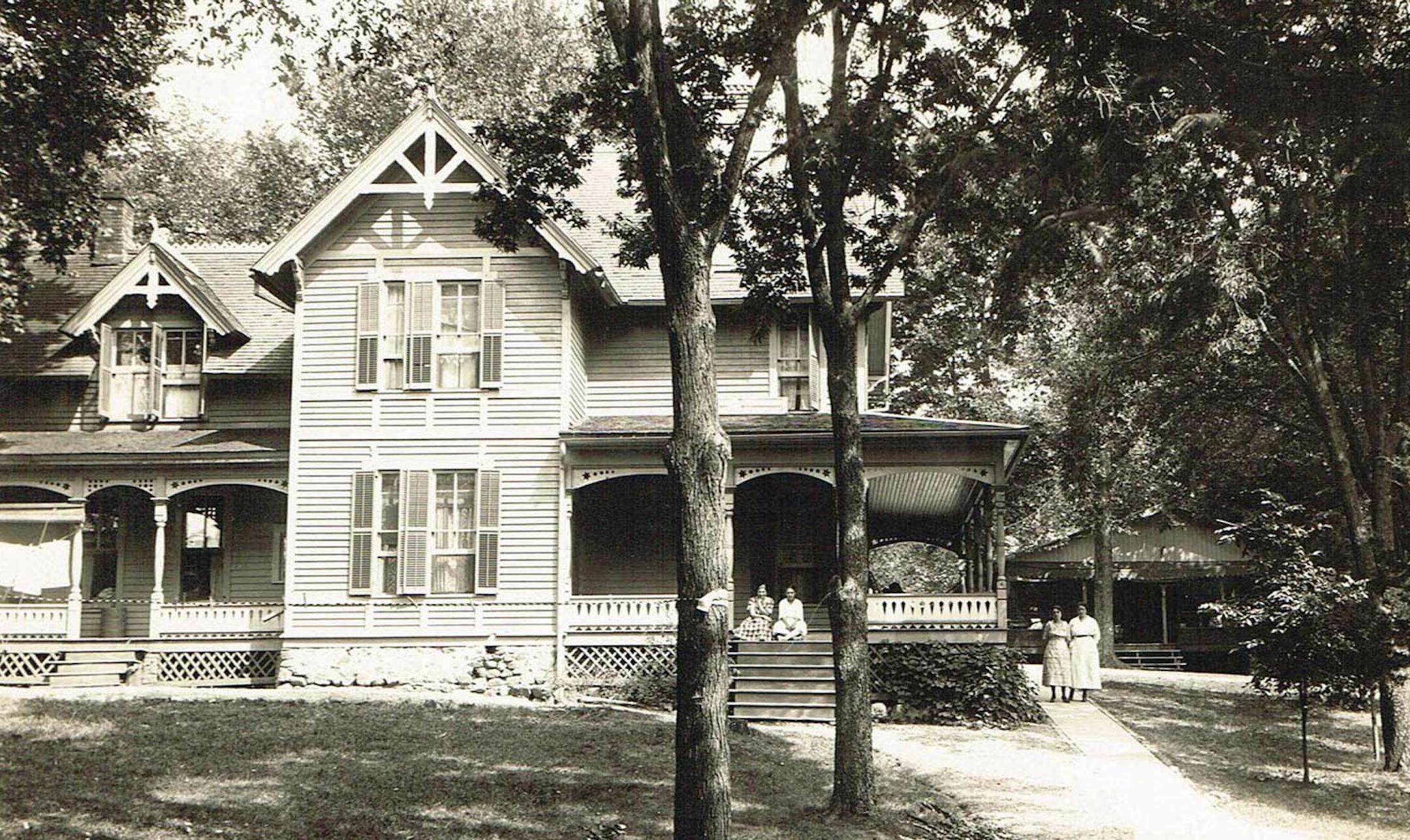
Originally called Paradise Island, Coney Island once was a popular tourist destination with a resort, homes and cabins. In the early 1900s, the island was used for preseason practices by the University of Minnesota football team.

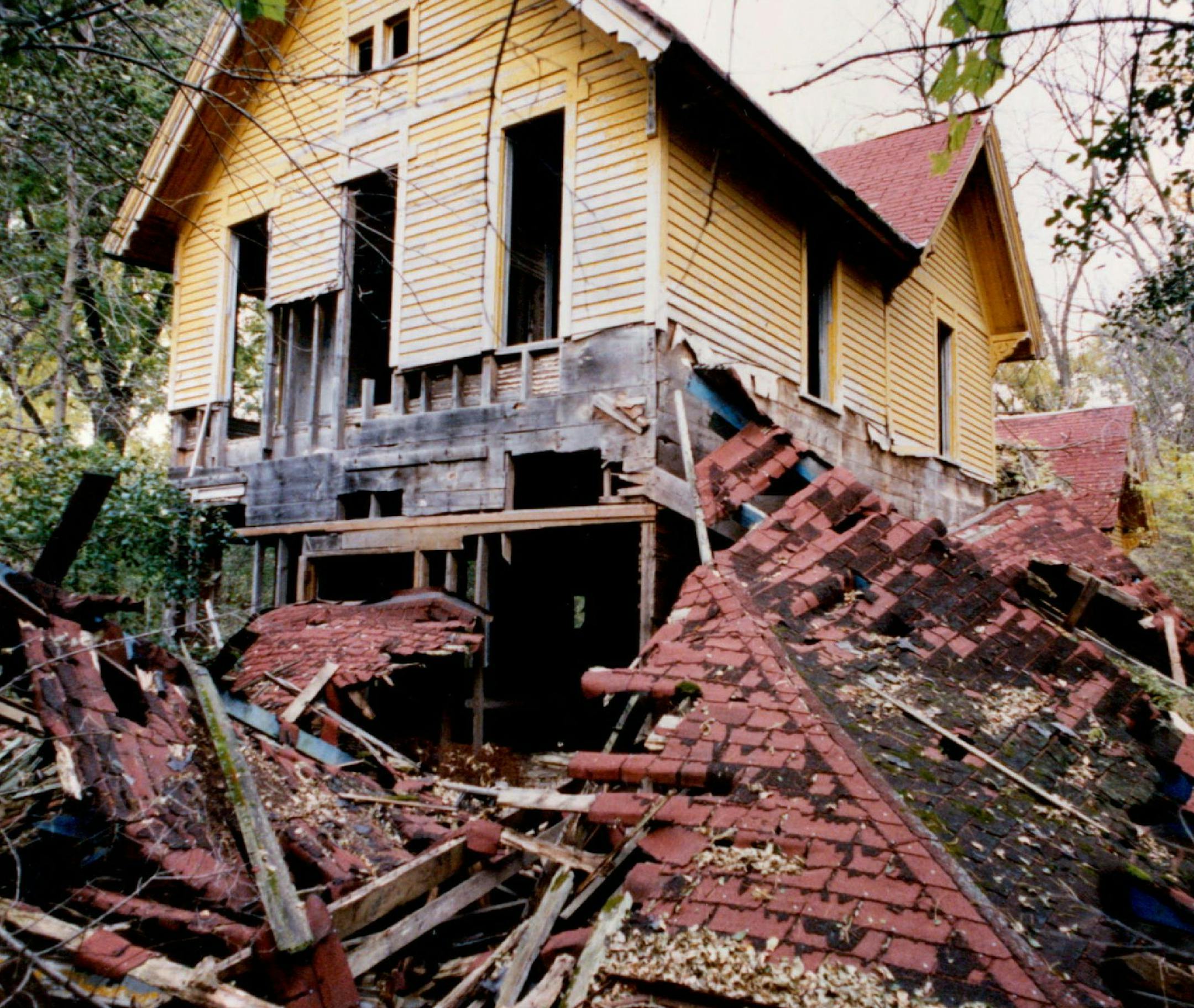
By the 1960s, the island was vacant, and it's now littered with crumbling buildings and foundations. "There's a lot junk out there," Walsh said. "But it also has beautiful wooded areas and wildlife — a heron rookery and an egret rookery."

The arrangement to transfer ownership involves the county, the Hoffman's foundation, the Metropolitan Council and the nonprofit Trust for Public Land. The trust has overseen the project to bring the parties together, according to County Administrator David Hemze.
"It was the perfect marriage," Hemze said. "We have long had an interest in the island, and the Hoffmans were willing sellers."

This summer, the county will have a public process to develop a master plan for the island. In the fall, the trust will buy the island from the Hoffmans who have agreed to sell it for 75 percent of its appraised value, which most recently was about $1.35 million. The trust will resell it to the county, which will later be reimbursed with the Met Council funds.

In addition to transferring ownership of the island, the Hoffmans have agreed to contribute $900,000 for cleanup and improvements.

Walsh said the county hopes to open the island for recreational use by 2016.

Susan Feyder • 612-673-1723

The Coney Island Hotel on Coney Island in Lake Waconia was a destination dreamed about a century ago by visitors from both coasts.
The Coney Island Hotel was famous in the late 1800s with visitors from across the United States and even Europe. (The Minnesota Star Tribune)
October 14, 1991 Time and decay have reduced the hotel on Coney Island to a deteriorating hulk, a far cry from the days when the island was the haunt of the state's elite and special trains carried vacationers from the Twin Cities to a station on the north shore of Lake Waconia. Stormi Greener, Minneapolis Star Tribune
By the early 1990s, time had taken its toll on the hotel. There have been various ideas on how to restore the island, but most were too costly. (The Minnesota Star Tribune)
about the writer

about the writer

Susan Feyder, Star Tribune

More from No Section

See More
FILE -- A rent deposit slot at an apartment complex in Tucker, Ga., on July 21, 2020. As an eviction crisis has seemed increasingly likely this summer, everyone in the housing market has made the same plea to Washington: Send money — lots of it — that would keep renters in their homes and landlords afloat. (Melissa Golden/The New York Times) ORG XMIT: XNYT58
Melissa Golden/The New York Times

It’s too soon to tell how much the immigration crackdown is to blame.