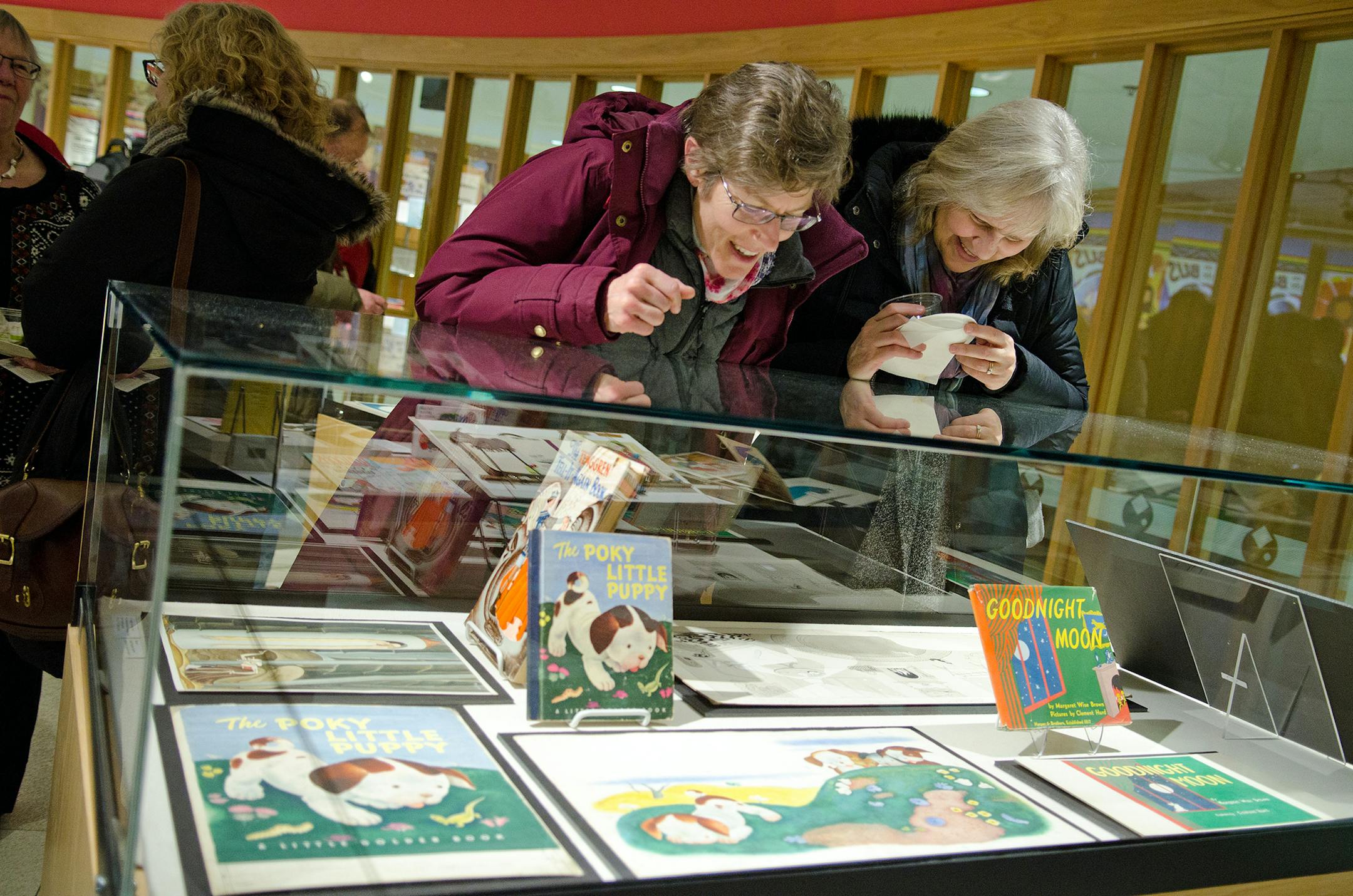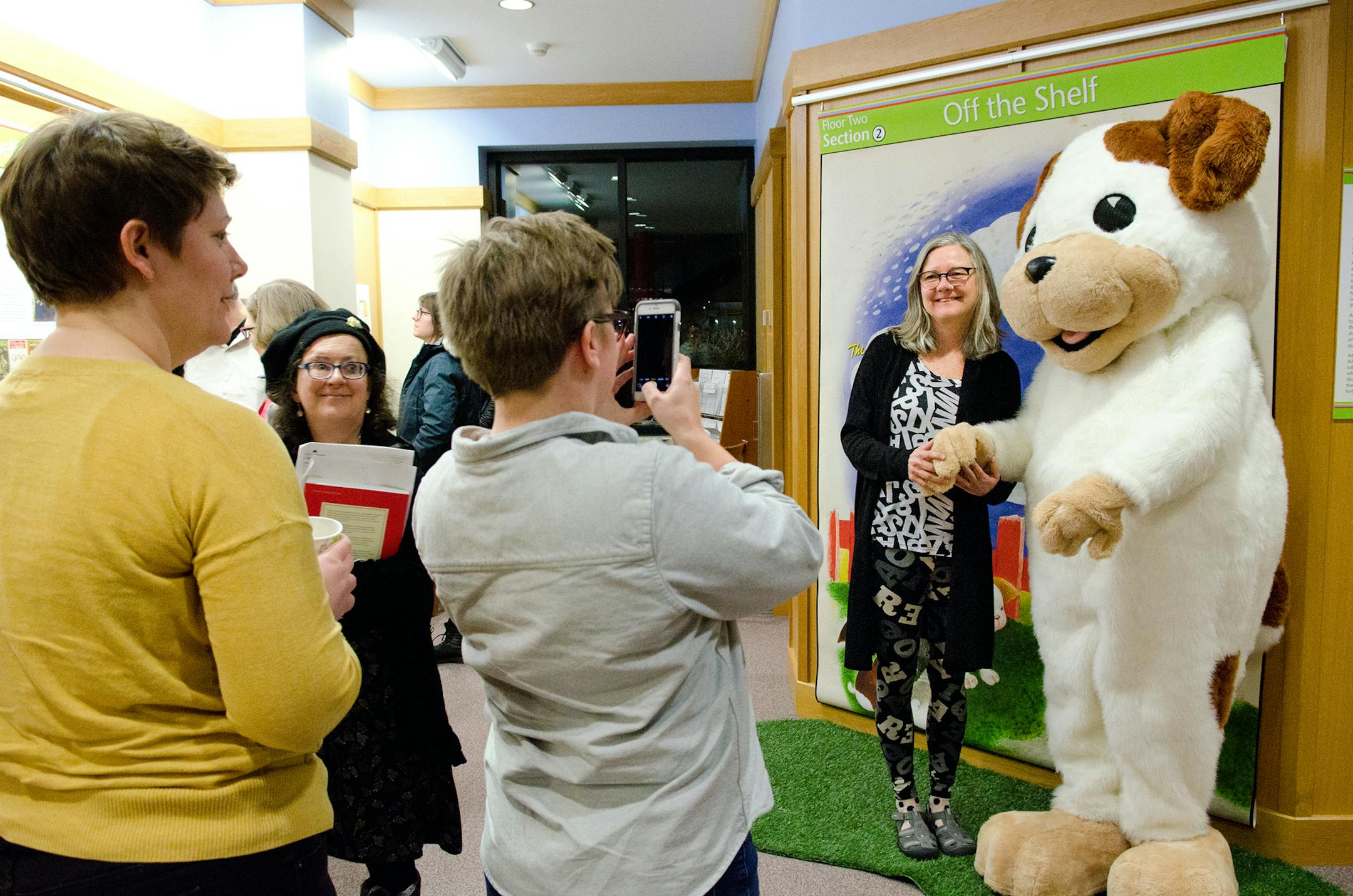
I had to laugh when this book crossed my desk a few weeks ago: "The ABC of It: Why Children's Books Matter," by Leonard S. Marcus.
Why children's books matter? Why they matter?
I'm not sure that any books have mattered more to me in my life than the ones I read as a child.
When I was young, reading children's books was pretty much all I did — holed up in my bedroom after school; or hogging the family bathroom for as long as possible, simply because it was the only quiet place where I could lock the door; or huddled in the basement, in my father's book room, wrapped in a blanket. I read and read and read.
In my memory, I leaped from picture books to chapter books in about a minute, but who can remember? I do know that the pinnacle came during the first few months of sixth grade.
Redistricting had sent me to a new school where I didn't know a soul, an avant-garde "school without walls," with few rules and plenty of chaos. I didn't like it, and I found it an easy matter to slip out of the wall-less classroom area into the wall-less library area every day, escaping the confusion and losing myself in books.
This is where I read Noel Streatfeild's "The Magic Summer," the engrossing story of four English children who lived in a creepy old house in Ireland. It's where I read "Greensleeves," the coming-of-age story by Eloise Jarvis McGraw, about a teenage girl who got to live and work incognito for a whole summer. What could be more enthralling to a sixth-grade girl than the possibility of trying on a new identity?
That library is also where I discovered "Harriet the Spy," by Louise Fitzhugh, the story of a girl who carried a notebook and a pen with her wherever she went and wrote down everything about everyone. (That one, obviously, stuck with me for my whole life.)