Splat!
The mud spattered across my glasses a split second after I'd slammed a pick mattock into the increasingly sodden earth at my feet.
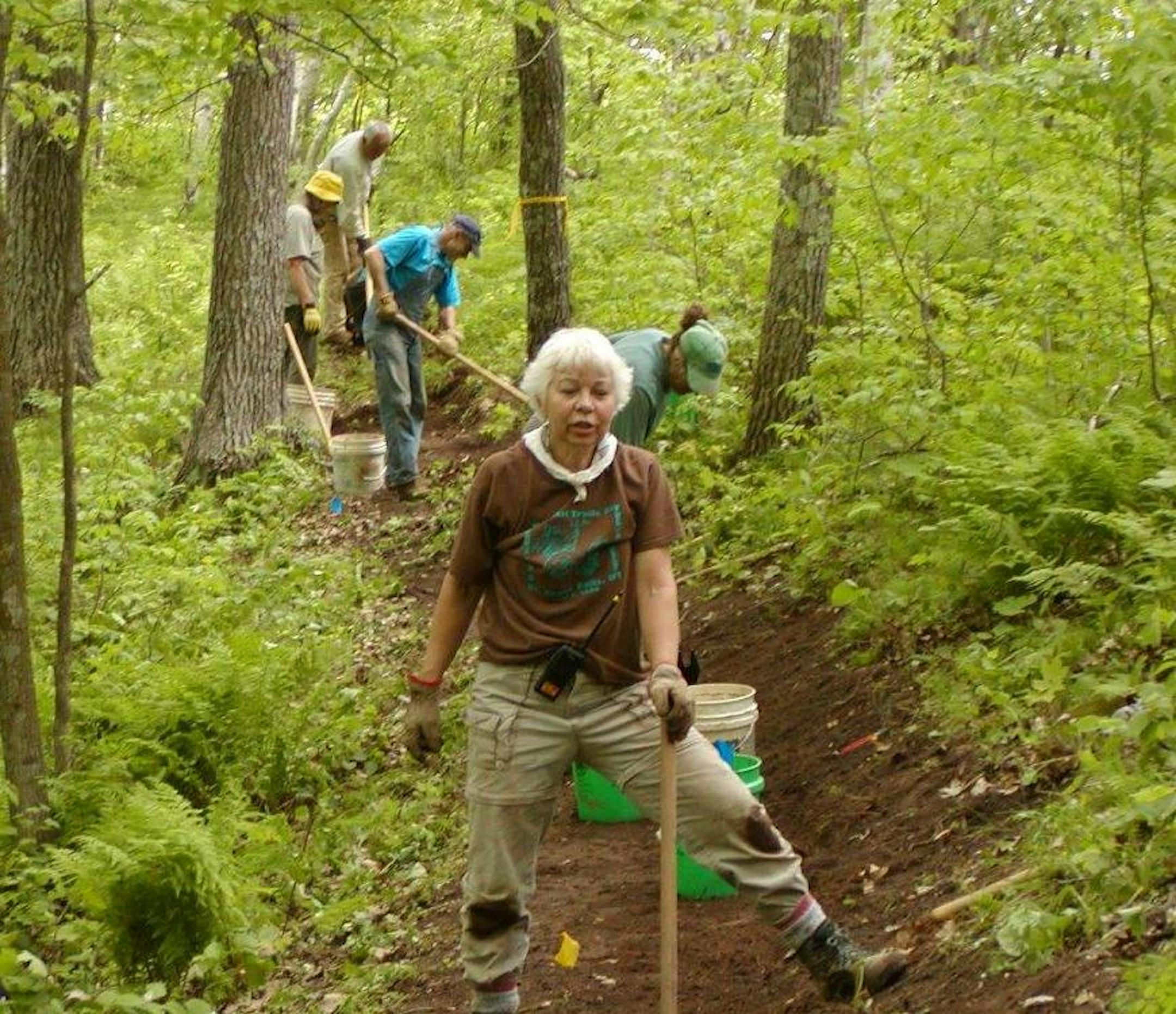
We volunteers were in our first day of hacking a hiking trail from what the day before had been North Woods forest — cutting, excavating, cutting, scraping and leveling a foot at a time to extend the Ice Age Trail farther across Wisconsin, and Polk County in particular. But a steady rain was turning our diggings sloppy.
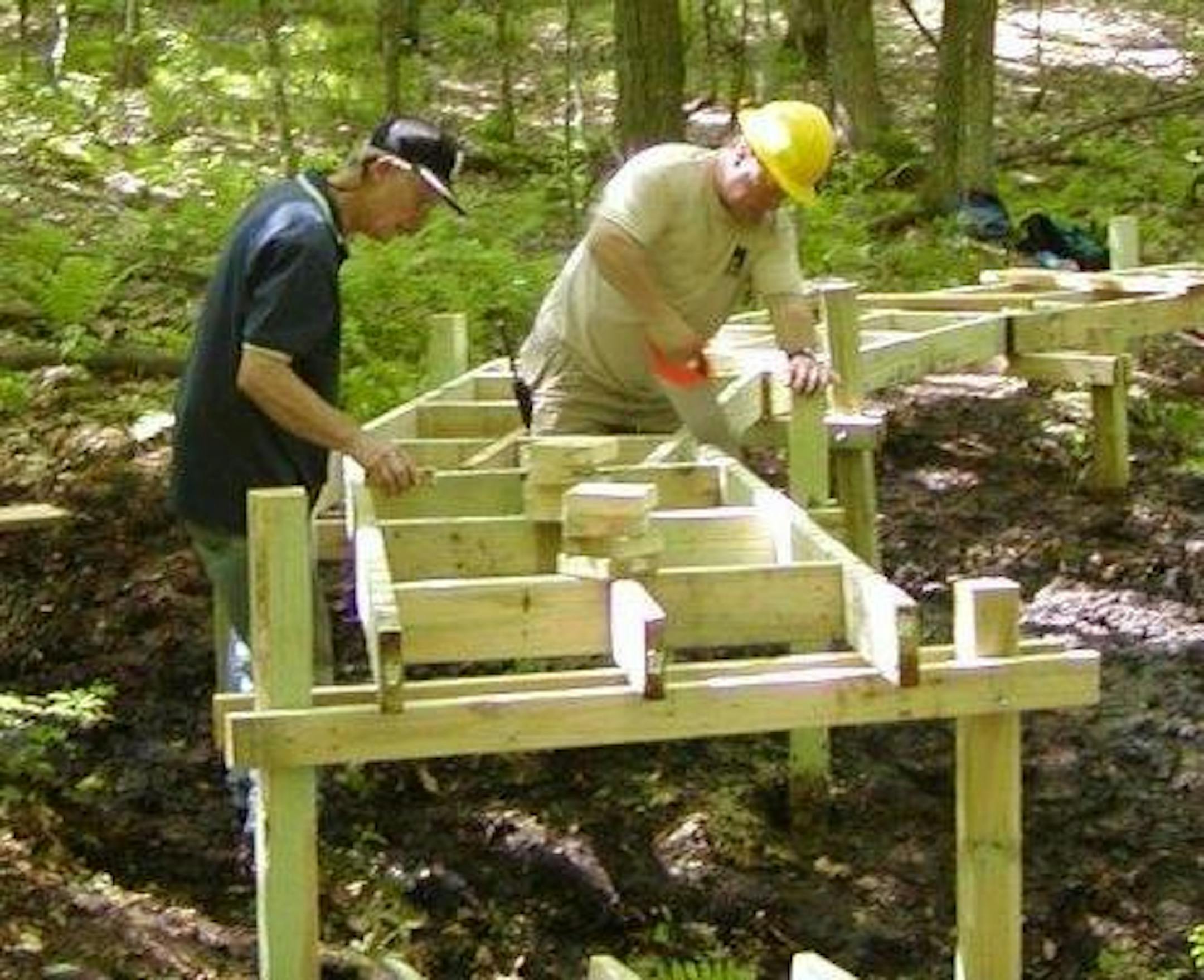
Trailbuilding projects can be planned to the nth degree, but weather poses challenges that force volunteers to adapt and overcome. We trudged back to the trailhead, deposited our tools and spent the rest of our afternoon as mules, ferrying timbers half a mile into the site of a future boardwalk bridge.
I've done three stints of up to five days each of creating trail as the Ice Age Trail is rerouted through a new state park. The park was purchased just as my wife and I erected a cabin on the 40 acres of Wisconsin woodland, meadow and marsh we'd owned for years. Part of the hiking trail ran half a mile from our front door, and we soon connected with the array of volunteers, both residents of this county across from Taylors Falls and weekenders like us, who maintain the existing trail and help extend it farther.
Why spend a week of vacation battling with mud, dust and mosquitoes?
Part of the answer lies in the mystique of creating something bigger than we are, a path where our footsteps may be retraced by our grandchildren and theirs. The trail will eventually cover some 1,200 miles of Wisconsin terrain (more than 600 miles are completed now) beginning northeast of Green Bay, dropping down almost to the Illinois border, snaking north past Madison, and eventually bending west to end in Interstate Park, a stone's throw from Minnesota. The Ice Age Trail takes its name from its route mostly hugging the terminus of Wisconsin's most recent glacier; the trail treats hikers to eskers, moraines and other features the glaciers left behind.
Part of the answer lies also in the camaraderie. These trailbuilding bees pull together people from multiple states, although the biggest supply of volunteers logically comes from within easy distance of a trail they'll use. The volunteers range from rank newcomers, as I once was, to experts who can judge without measuring whether a trail will drain properly, or needs more shaping to pass muster. Some volunteers show up for a few hours, while others show up for many of the dozen or so events the Ice Age Trail Alliance hosts to bring new corridors into the trail inventory. (Plans for another Polk County trail construction blitz this month were put on hold by the federal shutdown. The National Park Service, which designated Ice Age one of its 11 national scenic trails, carries our group's liability coverage.)