Holocaust survivors aren't any longer.
Surviving that is.
Having dodged or endured unspeakable horrors 70 years ago, they are now reaching the natural end of their days. Their stories have been told many times in many ways, yet none is redundant or irrelevant.
That is what inspired Mark Seliger, a former photographer for Rolling Stone magazine, to add his chronicle to the substantial body of Holocaust literature. Moved by the numbers tattooed on the arms of three brothers who ran a bakery in Houston, where he grew up, Seliger delved into their past.
Twenty-two of his black-and-white photos of survivors, paired with excerpts from their stories, are on view through Jan. 4 at the Mpls Photo Center. Called "When They Came to Take My Father," the exhibit is excerpted from Seliger's 1996 book of the same name. It is co-sponsored by the Photo Center and Tolerance Minnesota, an educational program of the Jewish Community Relations Council of Minnesota and the Dakotas.
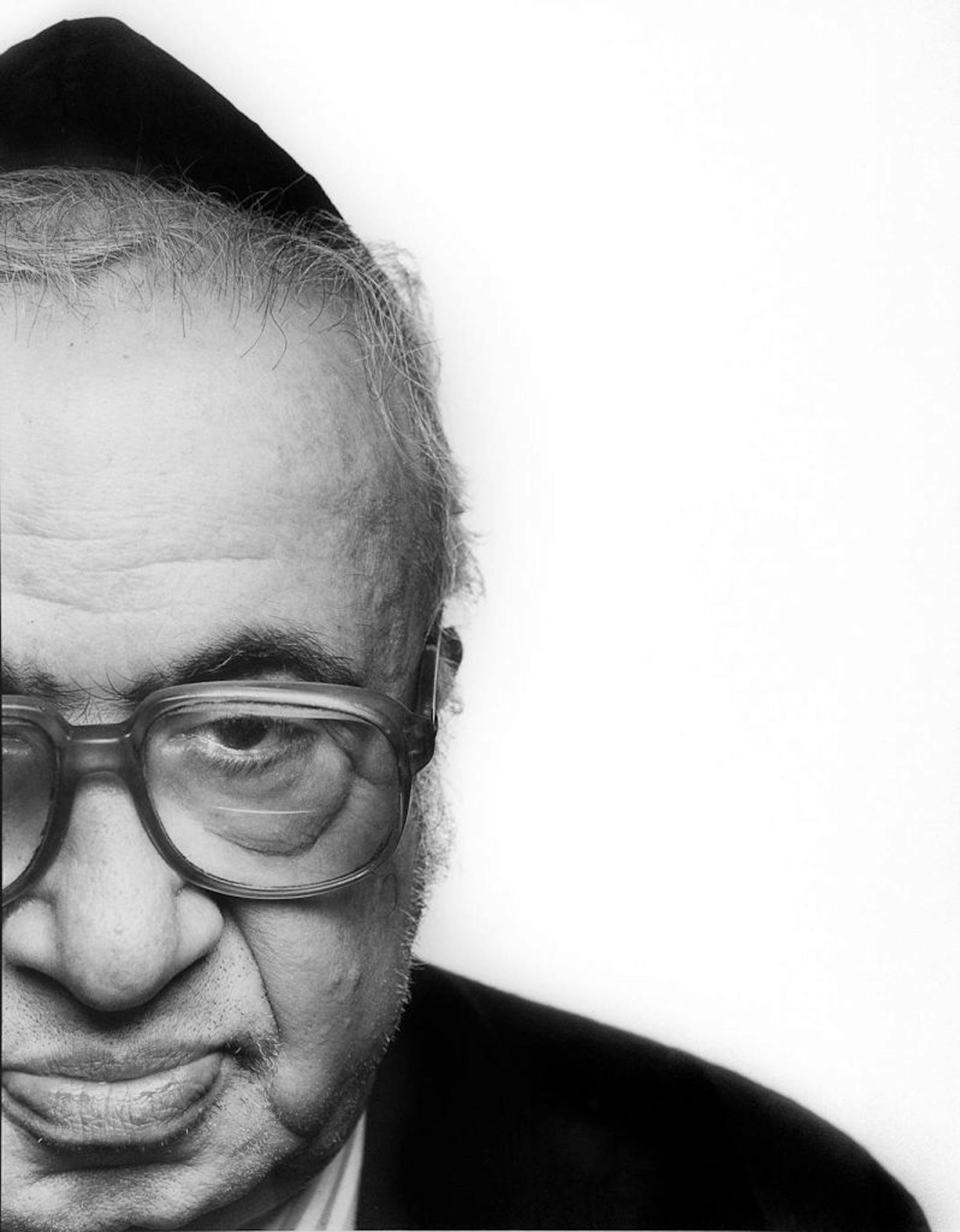
Seliger's pictures are affectingly direct, with the survivors gazing impassively out from their desks, beds, gardens, studios, butcher shop or wheelchair. As our eyes flicker between words and images, we notice wrinkled flesh, steady eyes, shy smiles, tattooed numbers. The pictures are somber but not maudlin. These are survivors, after all, and much time has passed. It's the interplay of stories and pictures that brings gravitas to the project -- the mention of a mother abandoned, a twin experimented on by Nazi doctor Josef Mengele, a rescue by Raoul Wallenberg, who was known as "Moses From the North."
And there are startling observations: The orchestra played while people burned. The Dominican Republic was the only country in the world that agreed to take 100,000 Jews.
Standing on a narrow path in her Cincinnati garden, Anna Ornstein, now a psychoanalyst, displays the numbers neatly burned into her arm and recalls how happy she was to get them. Just 17 and incarcerated in Auschwitz, she wanted small, well-shaped numbers on the inside of her arm, so she flattered the skills of the tattooist and got what she sought. "The day we received the tattoos was a good day for us," Ornstein recalled. The tattoos were "passports for life," she said, proof that the Germans intended to keep those prisoners alive.