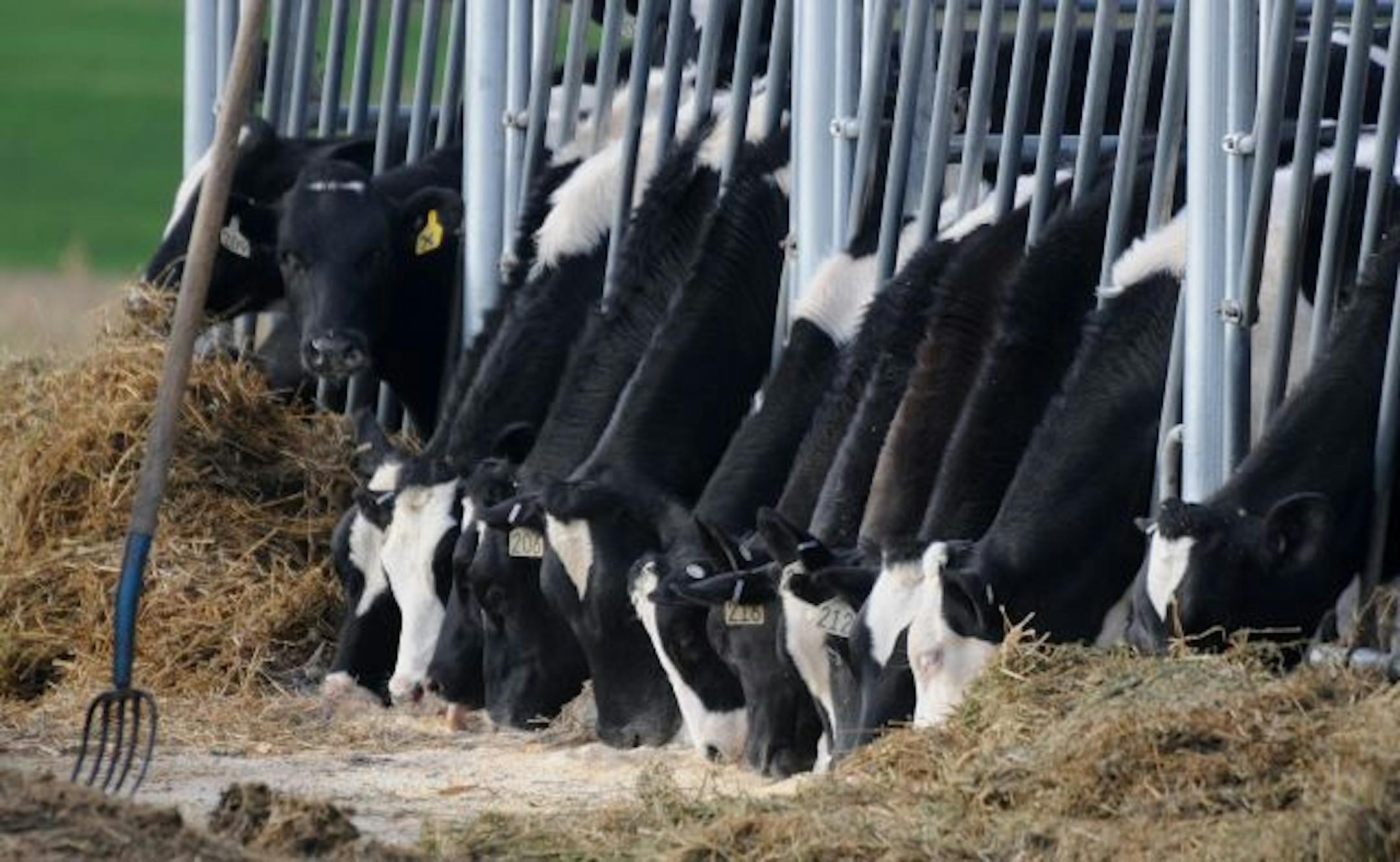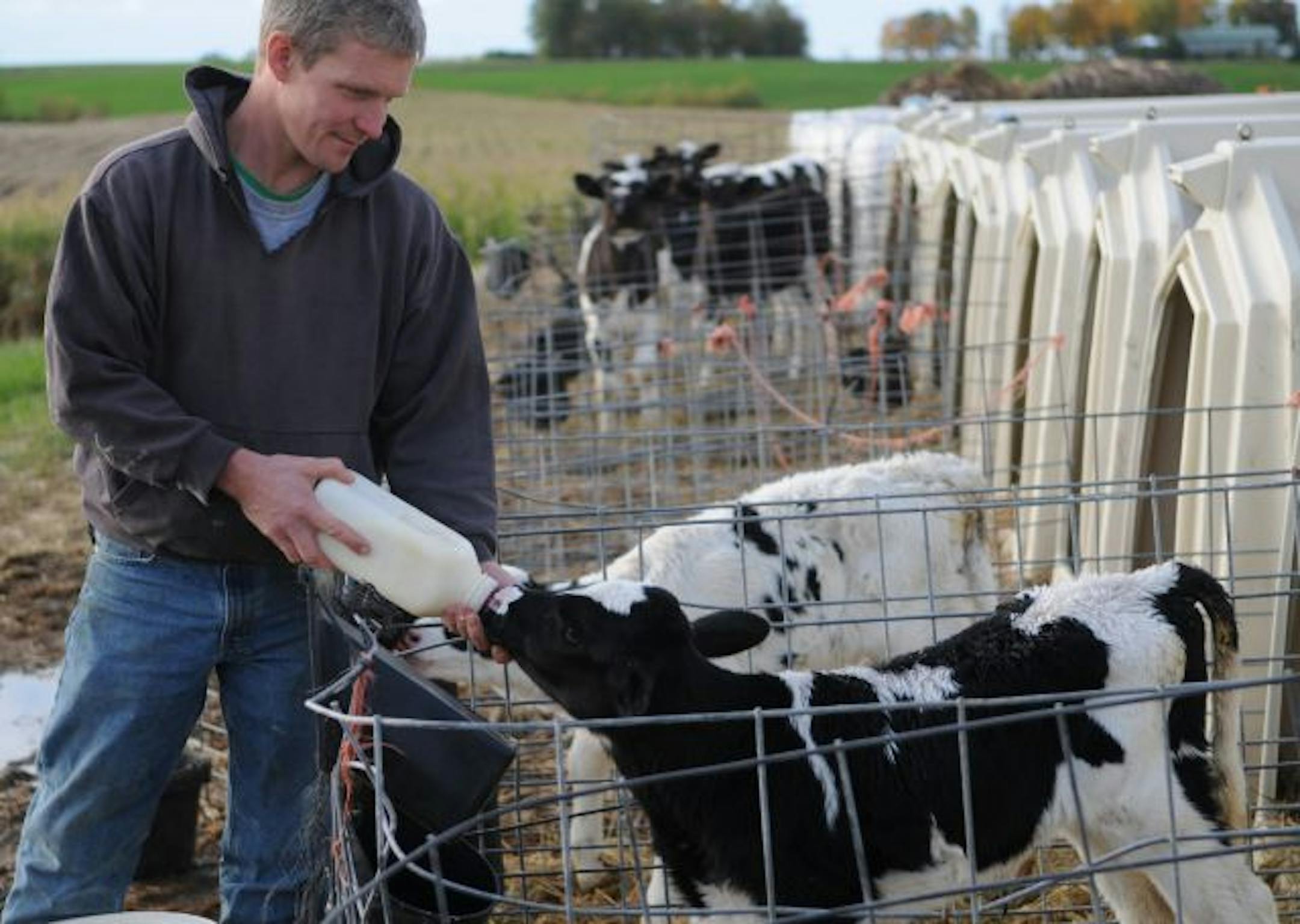
Those cheap gallons of milk at the grocery store may lighten shoppers' moods in this bleak year, but it's been another story on the farm.
Paul Liebenstein, who milks 300 cows at his farm in Dundas, Minn., has lost more than $1,000 a day for much of the year. "It is a terrible year in dairy," he said.
A global crisis has been in full swing across the dairy industry for much of this year, with record low prices and a steep drop in demand ruining farms that just two years ago saw profits soar along with prices for milk and cheese. Dairy farmers here have slaughtered their herds, with at least 250,000 cows sent to meat plants in the past 15 months. In Europe farmers have protested by dumping milk.
Minnesota's $1.66 billion dairy industry is one of the state's largest agriculture sectors, but is shrinking as prices have collapsed. About 200 Minnesota dairy farms have closed in the past year, according to state figures, leaving 4,660 still operating.
Government help is on its way. On Thursday the Senate approved $350 million in emergency funding for dairy farmers as part of a $121 billion agricultural spending bill that President Obama is expected to sign soon.
Still, some in the industry have called for changes to the way dairy prices are set, and still others are hopeful the worst has passed since futures markets show prices rising in the months ahead.
Especially dispiriting to dairy farmers has been the reports of high profits from major milk processors such as Dean Foods of Dallas, the nation's largest milk retailer with brands such as Horizon. It reported profits of $64 million in its most recent quarter ended June 30, a 31 percent increase from a year earlier.
Farmers get about 30 cents of every dollar consumers spend on milk, said Jim Dickrell, editor of Dairy Today, an industry newsletter based in Monticello.