

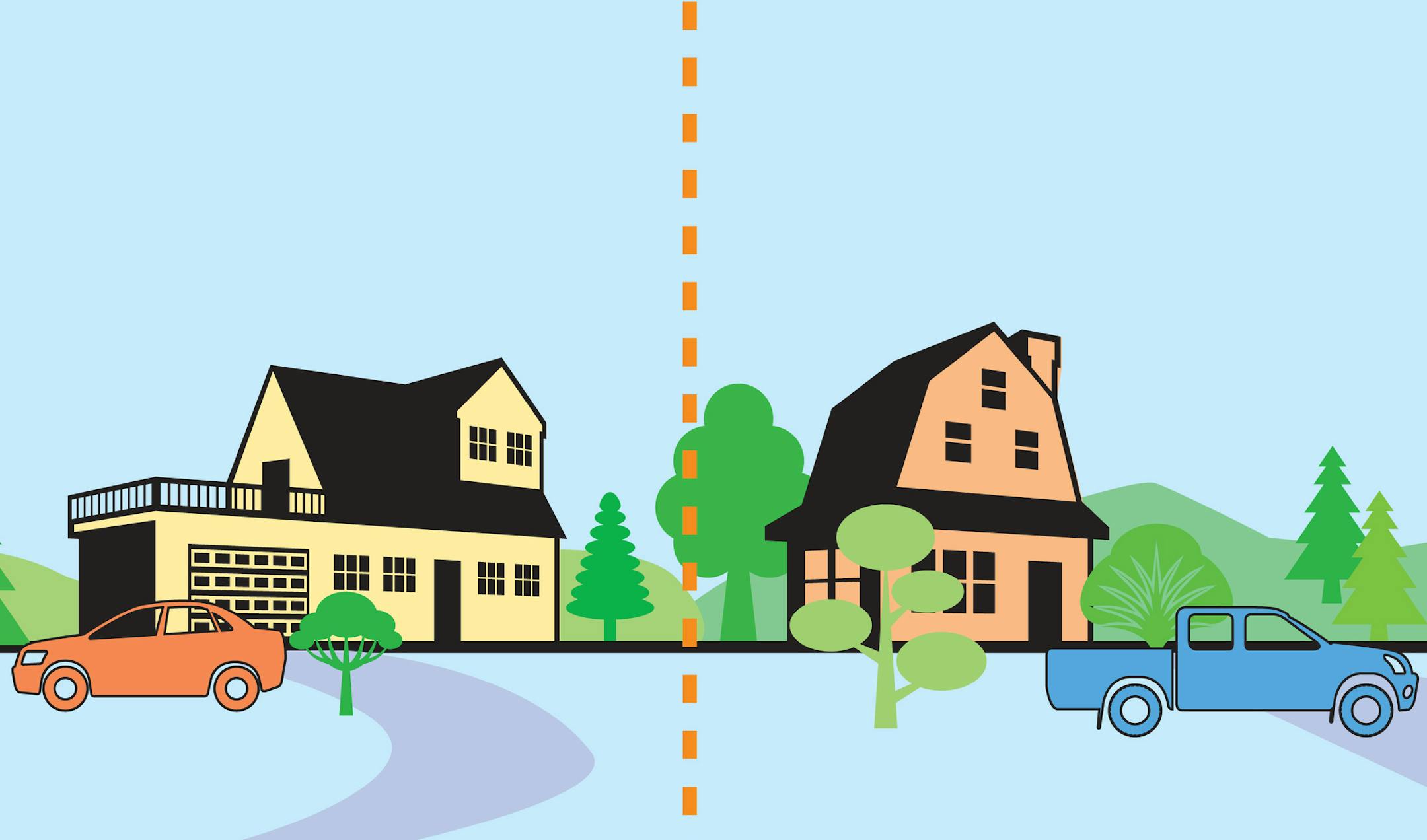
Living in the wrong ZIP code — even a short distance from a boundary — could mean a difference of hundreds of dollars in your automobile insurance rates, a new analysis found.
The Consumer Federation of America, a nonprofit advocacy group, tested annual auto premiums from six big insurers in 10 cities. The tests found that good drivers from homes that are near each other — in some cases less than 100 yards apart or even right next door — yet in different ZIP codes are often quoted disparate rates.
With other factors being equal, addresses in less-affluent ZIP codes with higher minority populations were quoted annual premiums that were $410 higher, on average, than those in neighboring ZIP codes with wealthier, more heavily white populations, according to the analysis.
The report included photographs of the homes tested, like two in Buffalo, N.Y., where the average cost was $1,697 a year on one side of the line and $2,315 on the other.
In every city tested, at least one insurer charged $200 more for the same coverage for someone living on the "wrong side" of a ZIP code line, researchers found.
"Jacking up rates for living on the wrong side of the street is arbitrary and unfair," said Douglas Heller, an insurance consultant who conducted the analysis with a federation researcher. (While the report used specific addresses in its research, Heller said, it did not seek actual insurance premium information from people living at those addresses, because of privacy concerns.)
Not all insurers quoted higher rates in every instance. In all but one of the cities, at least one insurer charged a driver in the poorer ZIP code the same or a slightly lower premium. (The exception was Detroit, where just two companies would provide online quotes.) In Atlanta, for instance, Allstate charged 2 percent less in the lower-income ZIP code.
'Territorial rating'
Insurers argue that dozens of factors affect a driver's premium, including the driver's address, because it indicates where the car is most often driven.



