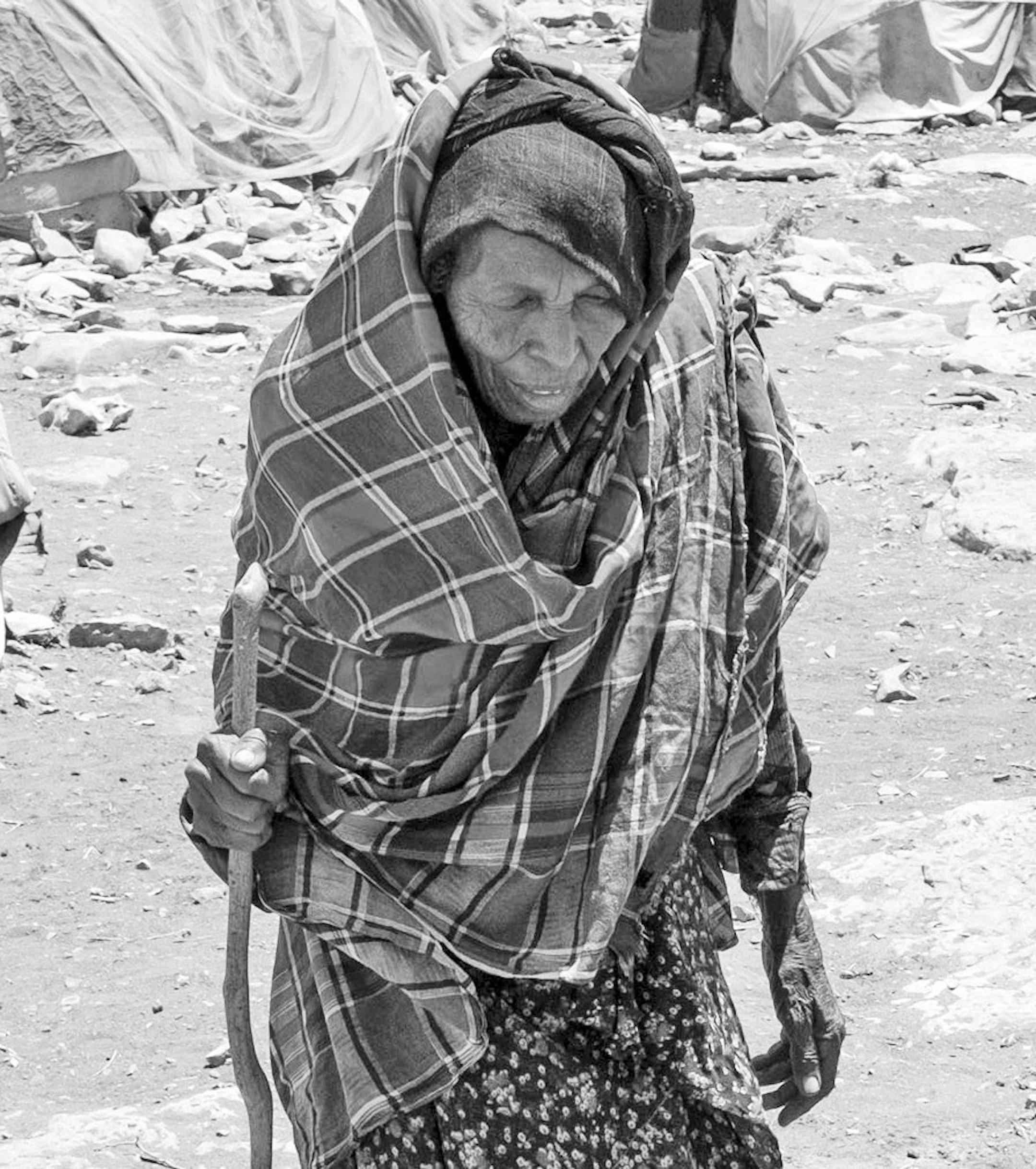
The number of people suffering from hunger last year rose at the fastest pace since at least the beginning of this century as conflicts and climate-related issues curbed access to food.
The number of people who were categorized as hungry increased by about 38 million to 815 million in 2016, accounting for 11 percent of the global population, a report from the United Nations found.
The findings also show that food security has worsened in some peaceful places amid economic slowdowns, and 13 percent of adults around the world are battling obesity.
"These recent estimates are a warning signal that achieving the goal of a world without hunger and malnutrition by 2030 will be challenging," the U.N.'s Food and Agriculture Organization (FAO) said in the report, published Friday.
"Deteriorations have been observed most notably in situations of conflict, often compounded by droughts or floods, linked in part to the El Niño phenomenon."
More than half of those who are hungry live in areas affected by violent conflicts that have crippled local agriculture and restricted access to food supplies. Famine was declared earlier this year in South Sudan, while Nigeria, Somalia and Yemen have suffered more food shortages.
The increase in undernourished also came as a gauge of food prices rebounded from a seven-year low, even amid a global glut of grains.
Asia has the largest number of hungry people — 520 million — and sub-Saharan Africa has the highest proportion, with 20 percent of the population affected.