

Brainerd, Minn. — I paid my heating bill a few weeks ago for February. The total I had to fork out was lower than I expected, and definitely less than the amount it would have been had Minnesotan's experience a more normal February.
That's all great, right?
Well, not necessarily. What of the person who owns a snowplowing business or sells snowmobiles for a living. The unseasonably warm winter was a downer.
What about wildlife? In general, how does such a warm winter and early spring affect the animals that inhabit our forests and field?
Deer, wild turkeys, squirrels, and cottontail rabbits thrive when there is little or no snow cover. Birders noticed a decline in the number of feathered friends that used their backyard bird feeders, probably because of the lack of snow, warm weather, and thus more accessible natural foods.
But warm spells are not always a good thing for some wildlife.
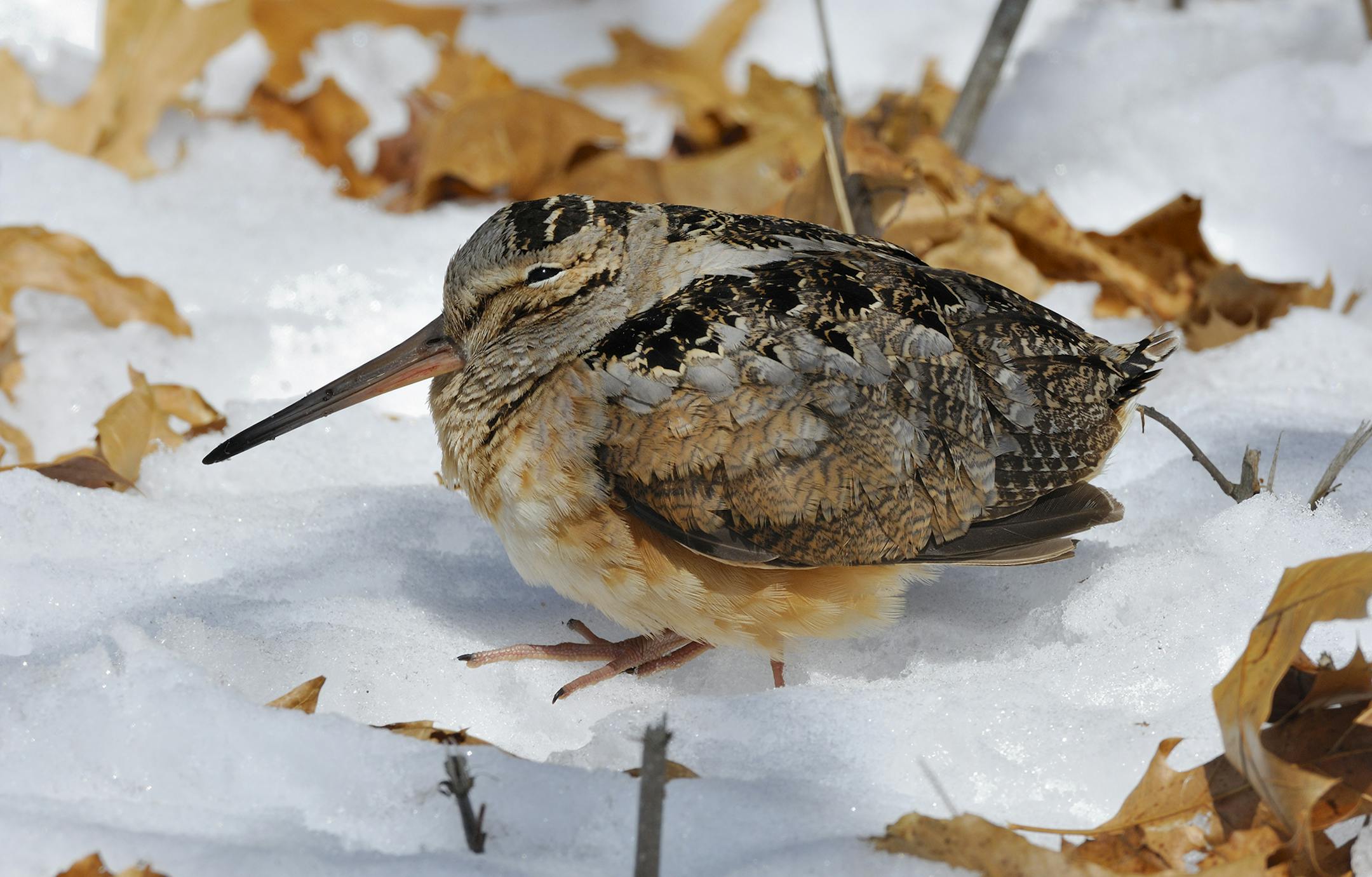
One example from a few years ago: Following an extended March thaw, the wonderful woodland game bird known as the woodcock had migrated into Minnesota. In most places the ground had thawed, all the better for the long-billed woodcocks to find earthworms, their favorite food.
Then, in early April, a storm dropped several inches of wet snow on much of Minnesota. The temperatures dropped and the snow froze. So did the ground in many places. The cold continued for several days. Many woodcock perished, unable to probe the frozen ground for a meal.


