

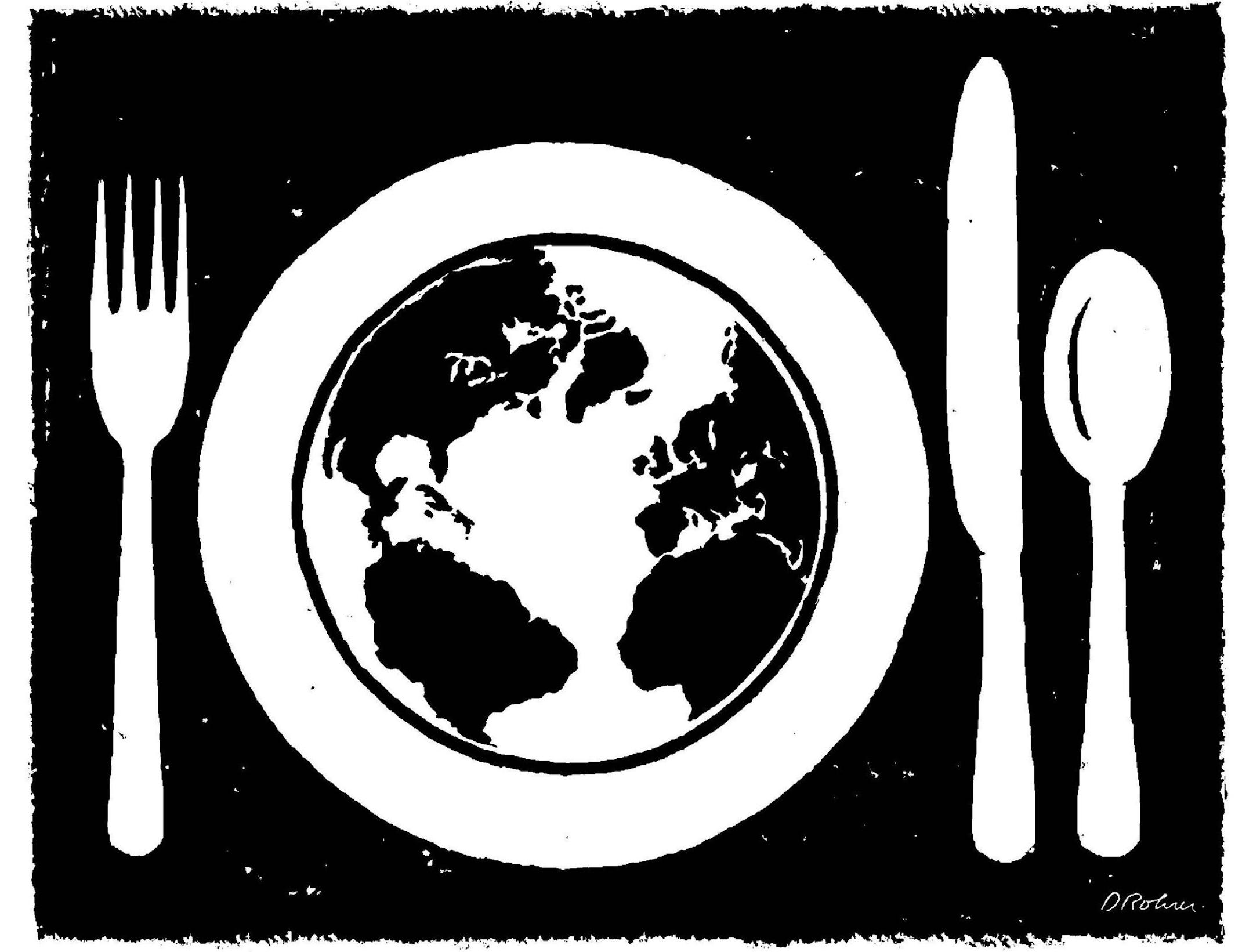
"Internationalism" is a research Rorschach test. Ask Americans about abstract objectives, as Gallup recently did, and 88 percent will say that "prevent[ing] terrorism" should be a top American aim.
But when abstractions give way to realities, Americans seem less inclined toward international involvement, if not increasingly isolationist.
This was apparent during the debate over how, or even if, the United States should respond to what the Obama administration considered state-sponsored terror: Syria's use of chemical weapons.
And it's also apparent in an analysis, "American international engagement on the rocks," from the Pew Research Global Attitudes Project. It's penned by Pew's founding director, Andrew Kohut, who writes that internationalism had widespread support for 50 years, with three notable exceptions: Post-Vietnam, in 1974; post-dissolution of the Soviet Union, in 1992, and post-insurgency in Iraq, in 2005-06.
These three eras all came in the wake of exhausting and expensive wars — hot ones in Vietnam and Iraq and the cold one with the Soviets.
Today's increasing isolationism has some of the same dynamics: Wars wound down (Iraq) or winding down (Afghanistan). But despite Russian resurgence, the recent friction between President Obama and Russian President Vladimir Putin seems unlikely to reheat Cold Warriors.
In fact, since 1964 there has been a pronounced inward turning: Back then, only 18 percent of Americans agreed that "the U.S. should mind its own business internationally and let other countries get along the best they can on their own." By 2009, 46 percent of Americans agreed.
Comparing relatively recent eras, in 2007 there was a split between those who thought that the president should focus on domestic policy (39 percent) vs. foreign policy (40 percent).


