
Want to save some money? Stop wasting food

Reuters
February 6, 2016 at 8:03PM
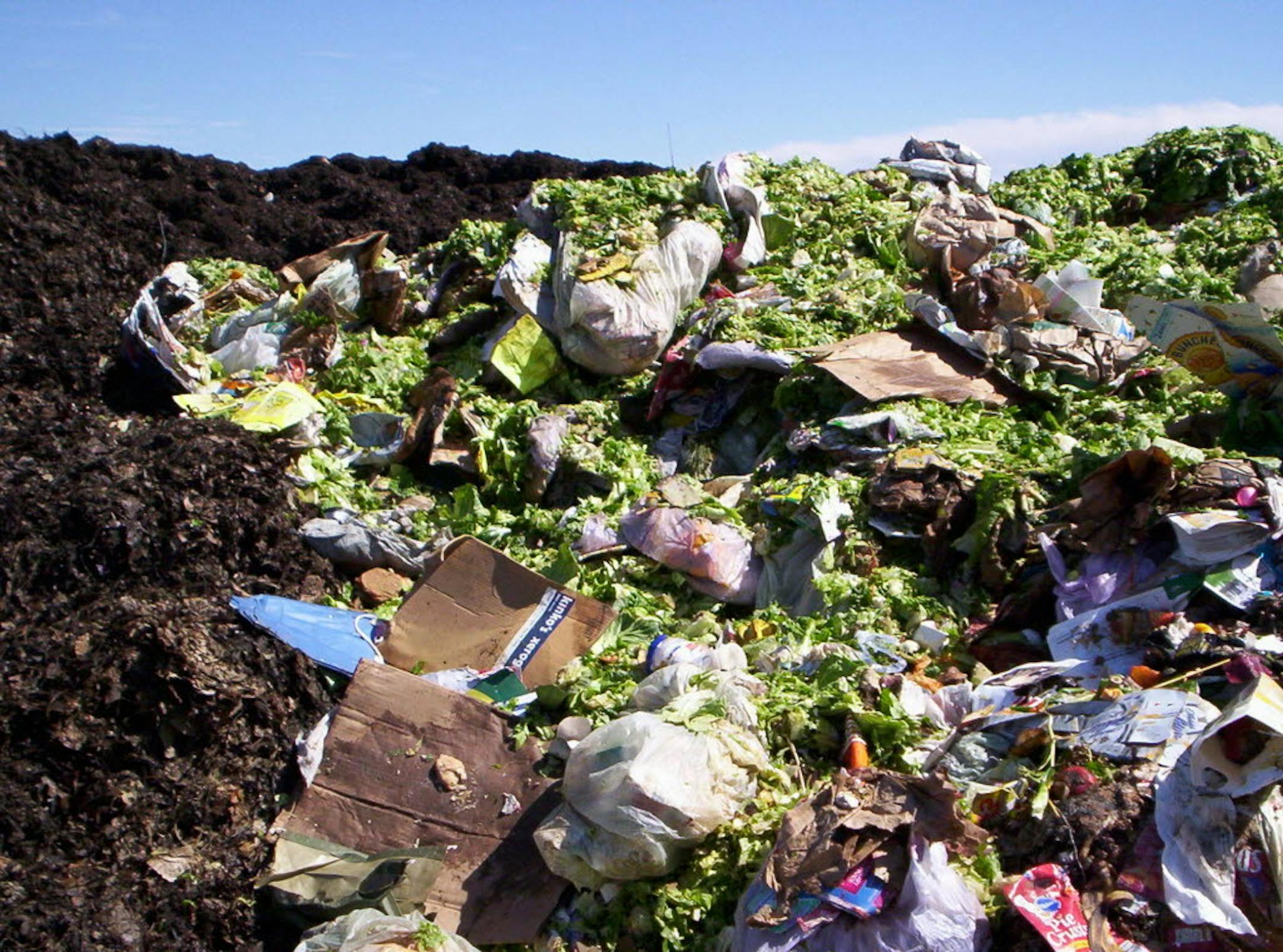
Food waste from Hennepin County is delivered to a commercial composting site in Dakota County run by Specialized Environmental Technologies.
Food waste from Hennepin County is delivered to a commercial composting site in Dakota County run by Specialized Environmental Technologies. (Randy Salas/The Minnesota Star Tribune)

We all like to moan and complain about how there is not enough money in our budgets at the end of the month.

Well, here is a simple step that could save a family of four $1,500 a year: Stop wasting food.

It sounds flippant, but it is not. About 40 percent of the food America produces goes to waste.

It is not a minor expense: The USDA estimates that food waste amounts to around 2 million calories a year for a family of four, costing roughly $1,500, which is over $100 a month for the family, or $375 per person annually.

"Nobody wakes up in the morning wanting to waste food, but it happens in little bits and pieces," says Dana Gunders, senior scientist at the Natural Resources Defense Council and author of the new book "Waste-Free Kitchen Handbook." "We are so price-sensitive in the store, but when we get home and eventually throw out a quarter of the cheese we just bought, we don't realize that's another $1.50."

Reducing food waste takes planning and discipline.

The book by Gunders gives 85 tips for reducing waste in various food items. Some of these are:

• Shop deliberately, from a list, for just a couple of meals ahead of time. Otherwise your eyes will be bigger than your stomach, and much of what you buy will end up in the trash.

• Use up leftovers by making catchall dishes like soups, stir-frys, fried rice, frittatas and risottos.

• Stale bread? Make menus involving croutons, French toast, or bread pudding.

• Learn to store food properly. For instance, lettuce usually lasts longer in the crisper, while apples, mushrooms and peppers need more aeration and do better outside those drawers.

• Do not get freaked out by expiration dates. Use your judgment; do not throw away food just because of a number on a carton.

For more pointers on maximizing food budgets, we talked to a few high-end chefs. In the restaurant world with its razor-thin margins, if you do not utilize every possible scrap of food in your kitchen, you are out of business.

Carrot tops. Along with the leafy tops of other root vegetables, says Meek-Bradley, they make the foundation of an excellent pesto sauce.

Potato scraps. Don't get rid of them, say Bruce and Eric Bromberg of Blue Ribbon Restaurants. They are ideal for making potato pancakes.

Citrus juice. If you have some left over, it makes an ideal kitchen cleaner, says John Johnson of Four Seasons New York. It is biodegradable, nontoxic, and degreases like nothing else.

Bones. "I always use leftover chicken or turkey bones to make soup," says Troy Guard, chef of Denver-based TAG Restaurant Group.

Plant scraps. Tomato insides, carrot peels, day-old brown rice, mushroom stems? You have got yourself a tasty veggie burger, says Guard.

Or, if you have some wildflowers or leftover herb cuttings from your garden, they can provide delicious flavoring for jars of honey, says Daven Wardynski of Omni Amelia Island Plantation Resort.

Protein trimmings. Guard says those extra trimmings can easily go into enchiladas, tacos, or on top of homemade pizzas.

Chris Taylor writes for Reuters.

about the writer

about the writer

Chris Taylor

More from Business

See More
card image
Renée Jones Schneider/The Minnesota Star Tribune

The Minneapolis-based retailer spent less on traditional lobbying but about the same if its $1M gift to President Donald Trump’s inaugural fund is counted.

card image
card image