

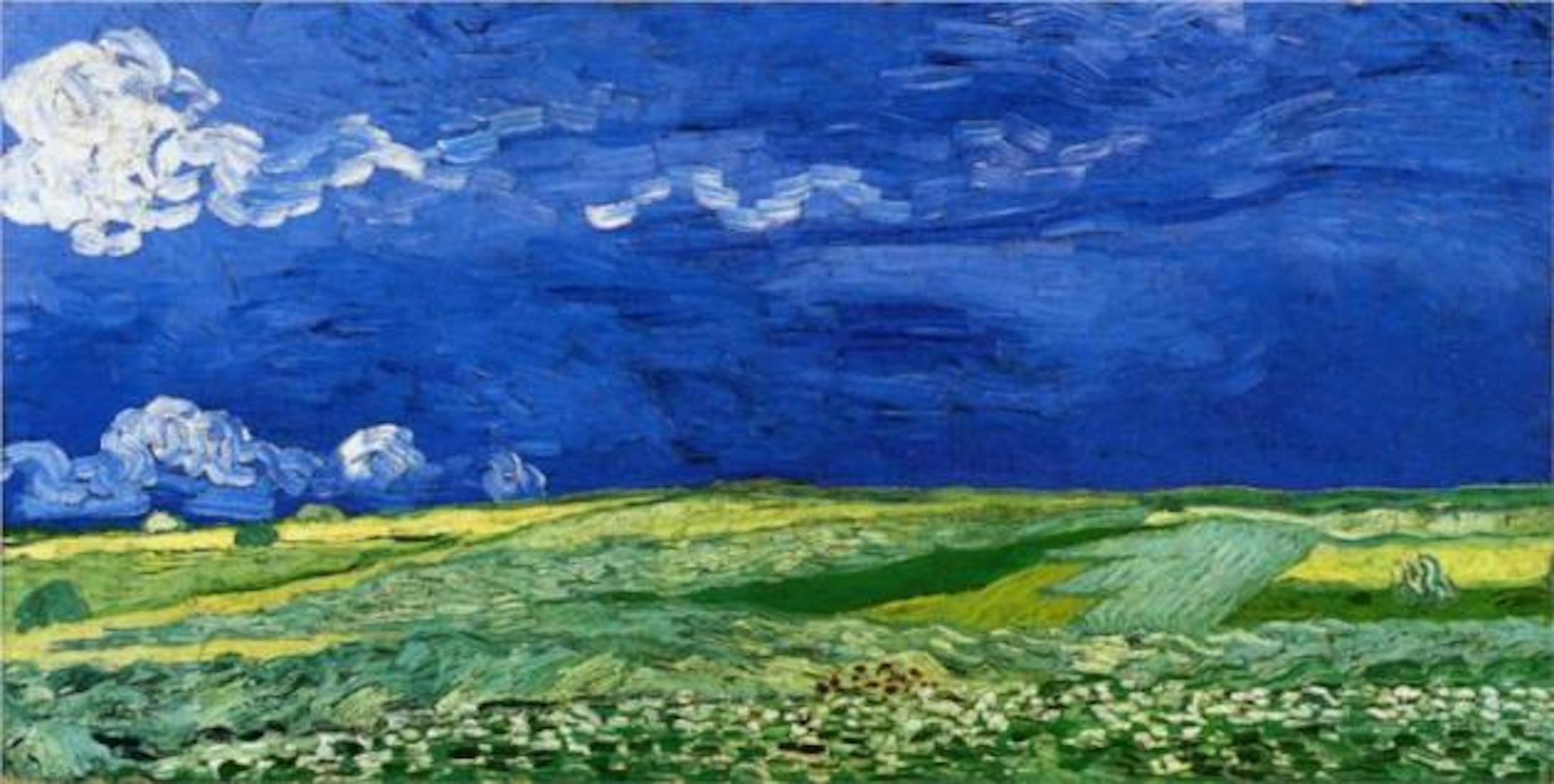
Vincent Van Gogh's "Wheatfields Under Thunderclouds," (1890)
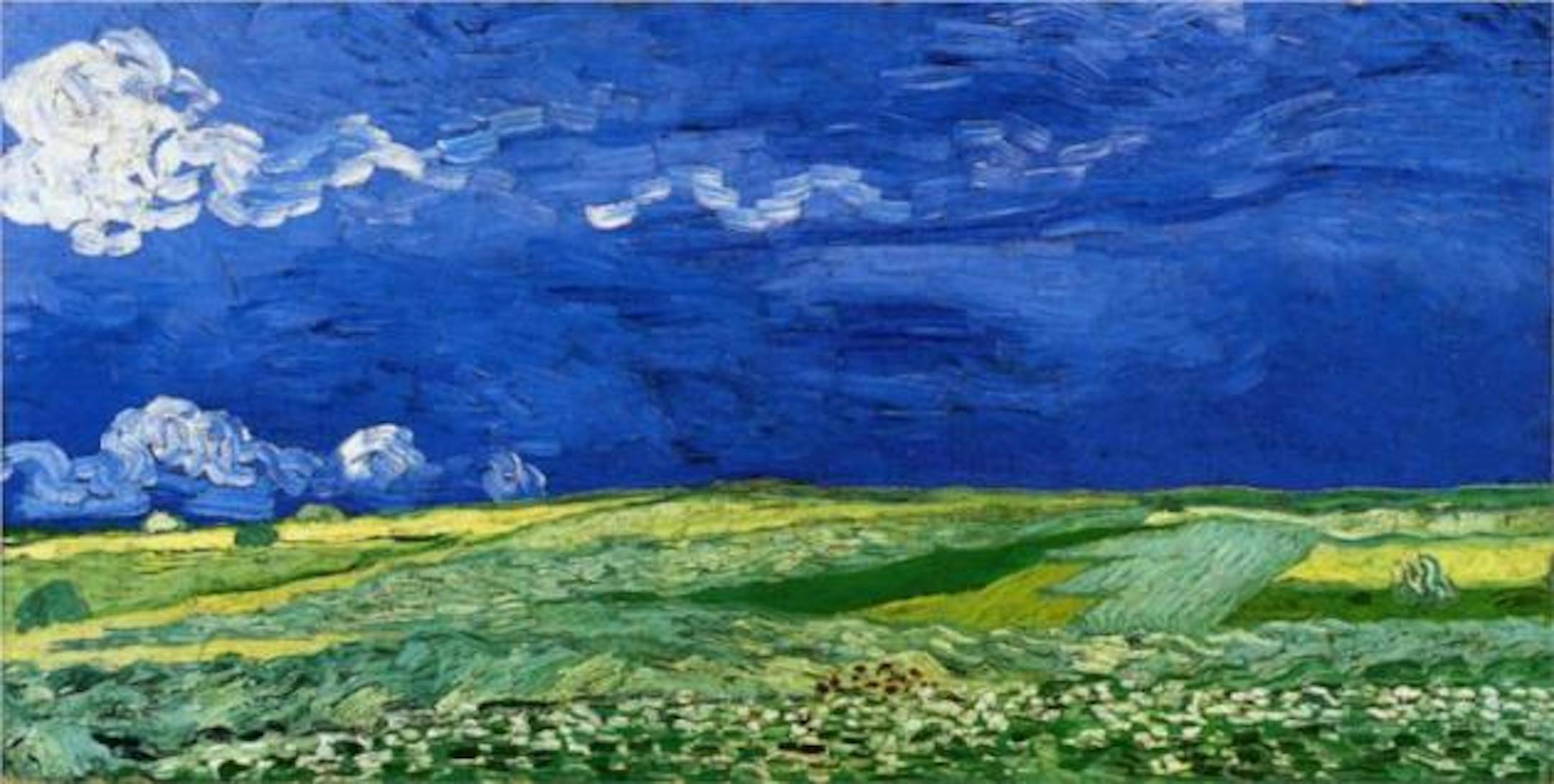
In a reproduction art scam potentially worth more than $36 million, the Van Gogh Museum in Amsterdam has apparently approved the reproduction of five of the Dutch master's popular paintings in "limited editions" that, if all sold, would unleash more than 1,000 full-scale copies into the market.
What's unusual about the museum's collaboration is that the reproductions violate typical museum standards for assuring that no one could confuse the fakes for the real things.
When art museums authorize reproductions of work in their collections, their standard practice is to make clear that the reproductions are just that, copies with no pretense of originality. So images of paintings are done up as posters, or cards, or even on t-shirts or mugs. If they are, for whatever reason, reproduced on canvas similar to that of the original, the copy is usually smaller so that the difference is obvious. And prices of the reproductions and souveniers are low.
In violation of that standard behavior, the Van Gogh Museum has apparently authorized the fabrication of more-or-less exact copies of five of Van Gogh's most popular pictures:
"Almond Blossoms" (1890); "Boulevard de Clichy "(1887); "The Harvest," (1888); "Sunflowers" (1889); and "Wheatfield under Thunderclouds" (1890).
Since all five paintings are well known and remain in the collection of the museum, only naives would be fooled into imagining that any of the copies was the real thing if they were to encounter one in a swank hotel lobby, boardroom, or private apartment. But the world is filled with impressionable innocents readily bamboozled by glitzy fakery. Perhaps that is the audience to whom the Van Gogh Museum and its "partners" are marketing the "Van Gogh Museum Edition" of these pictures.
Fujifilm Belgium invented the "reliefography" technology and 3-D scanning used to make the copies. The processes enable the reproduction of the artist's famous thick-paint surfaces with their frosting-like swirls and daubs of pigment. In addition the reproductions copy the backs of the pictures right down to the stickers and stamps that show where and when the paintings have been loaned to other museums and galleries around the world. Buyers get a "museum quality" frame for their fakes, too.


