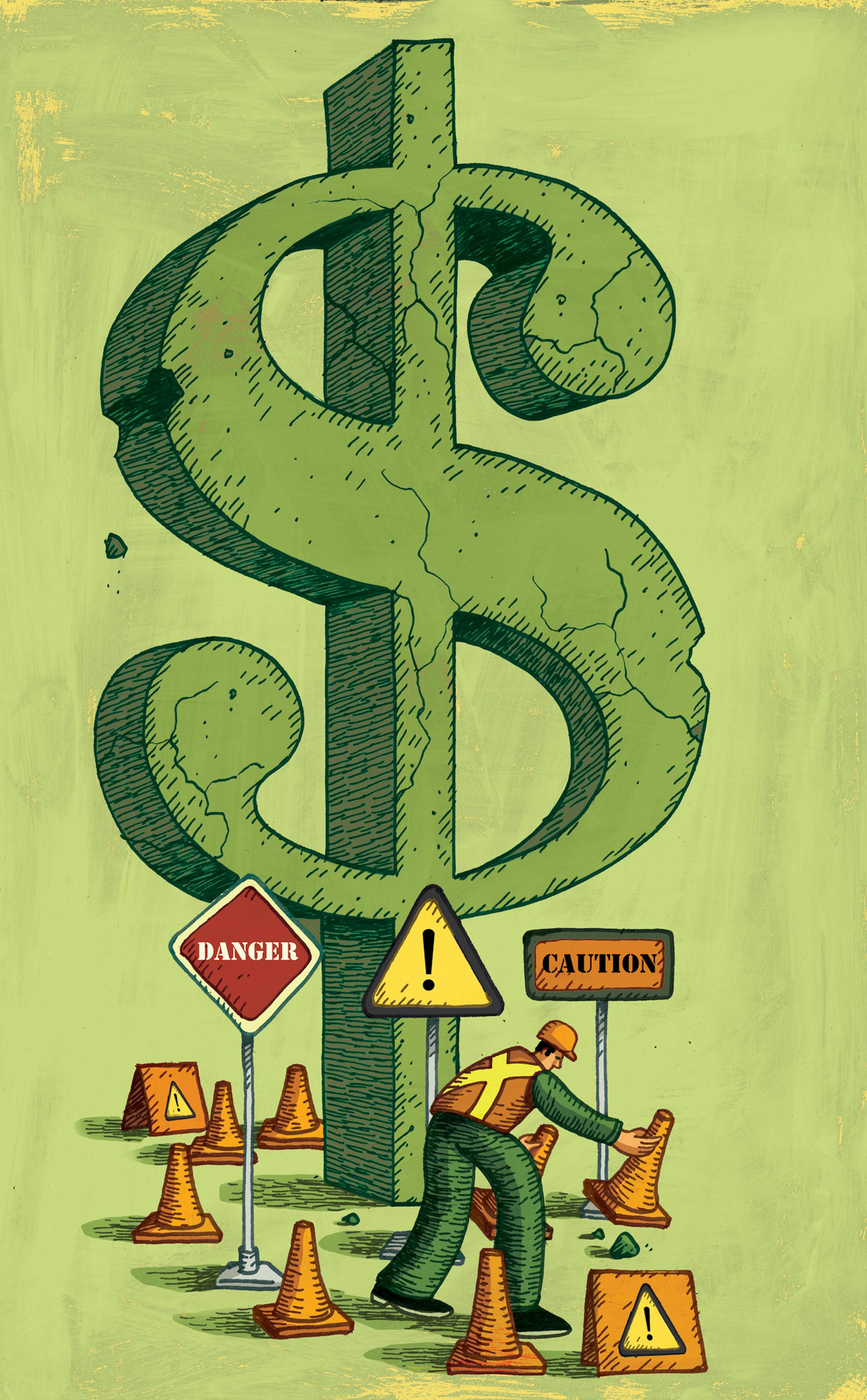
Minnesota, along with most states and the federal government, faces a huge shortfall in dollars needed to maintain and improve roads, bridges and transit systems. Here's why:
• Age: Our country's infrastructure was largely built during the post-World War II boom. Baby boomer infrastructure that was built to last 50 to 70 years has reached the end of its useful life. It has to be reconstructed, not just smoothed over.
• Price: Construction costs have increased faster than the consumer price index, thanks to spikes in prices for oil, steel, aggregate, and other materials that go into building roads, bridges and transit projects. Since 2004, construction costs in Minnesota have increased more than 70 percent.
• Increased demand: Projections are that close to 1 million new residents will move into Minnesota over the coming decades. Those people will generate tens of thousands of additional trips every day. We have to plan now to avoid serious gridlock. In addition, heavier trucks and equipment are wearing out roads and bridges at a faster rate.
• Declining fuel consumption: Our funding for roads and bridges relies largely on the fuel tax, which is charged on a per-gallon basis, not as a percentage of the price. As more-fuel-efficient cars are being produced, the revenue from the fuel tax has not been able to keep up with rising prices and increased demands placed on the transportation system.
• Lack of adequate investment: Minnesota's government has acted once in the last 25 years to increase the fuel tax, allow a sales tax for transit and restore the motor vehicle registration tax that was cut in the 1990s. The funding increases enacted in 2008 couldn't possibly make up for so many years of neglect. The Legislature acknowledged at the time that more work was needed to adequately address the needs.
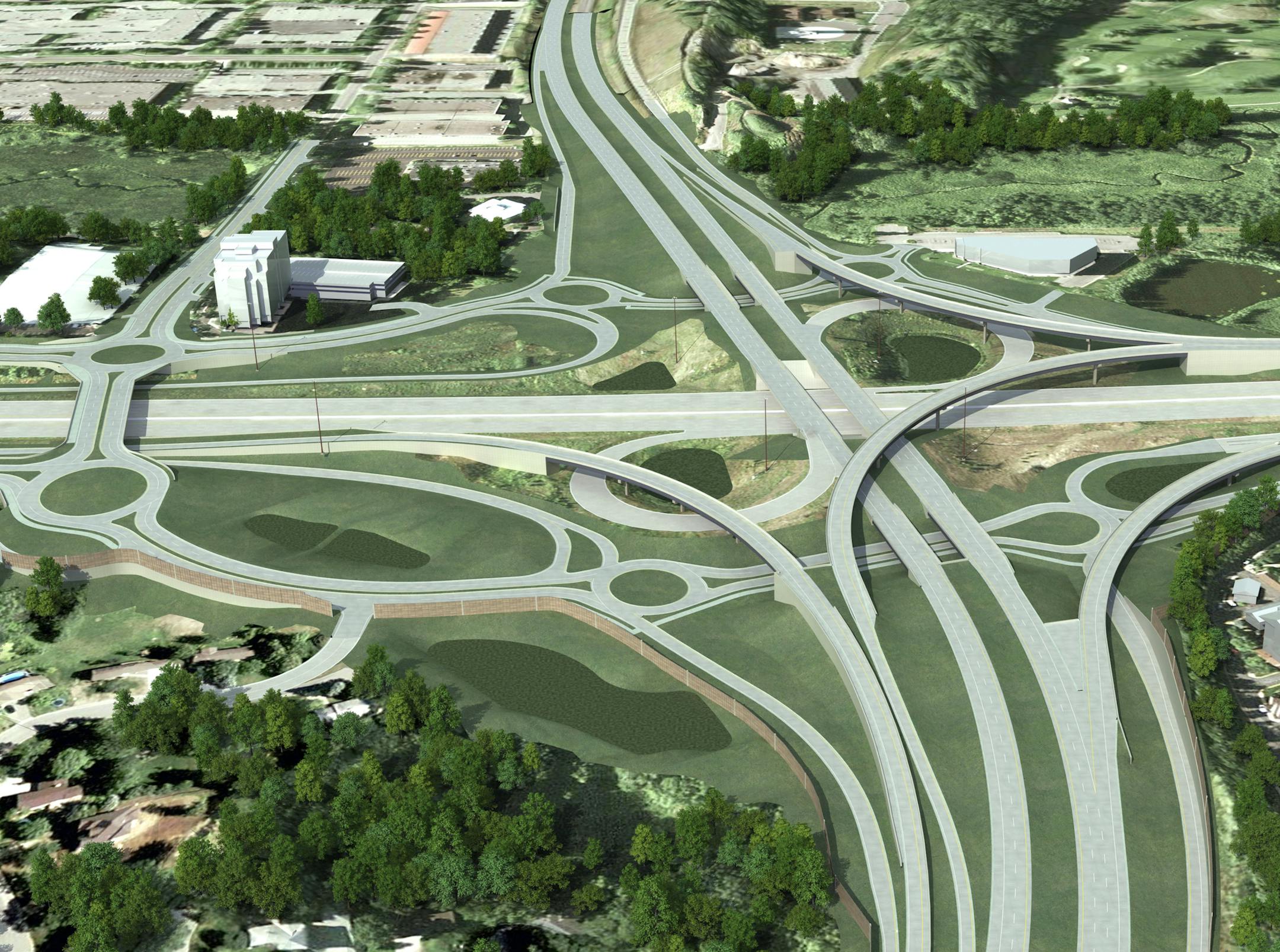
The funding gap runs into the billions when projects needed all across the state for all modes are added up. This includes work like finally completing Hwy. 610, expanding Interstate 94 between the metro area and St. Cloud, fixing two-lane gaps in corridors like Hwys. 14, 23 and 212, and eliminating bottlenecks on the metro-area freeway system.
Along with establishing an integrated transit network that allows people to get around the entire metro area, these projects will not be done without additional funding.