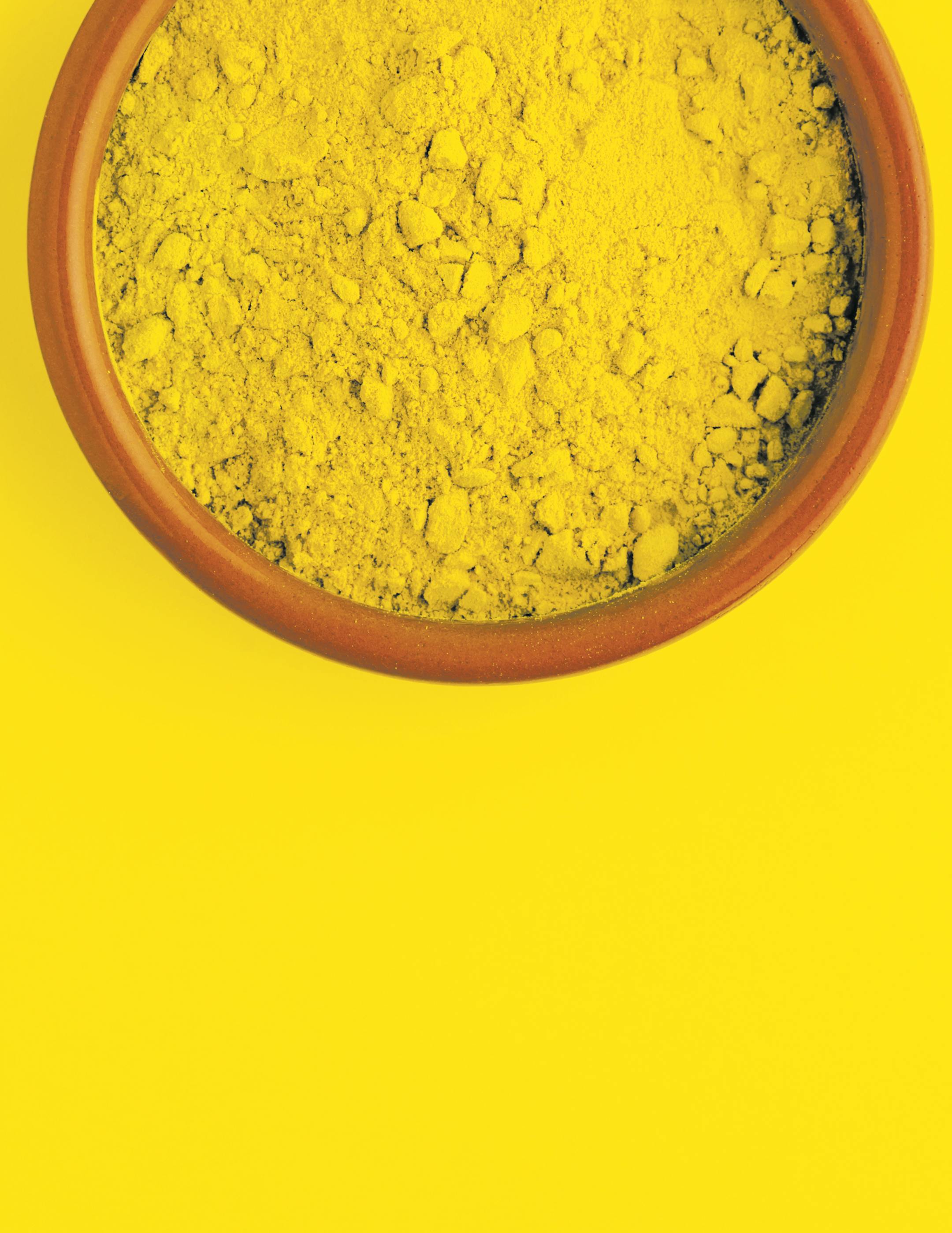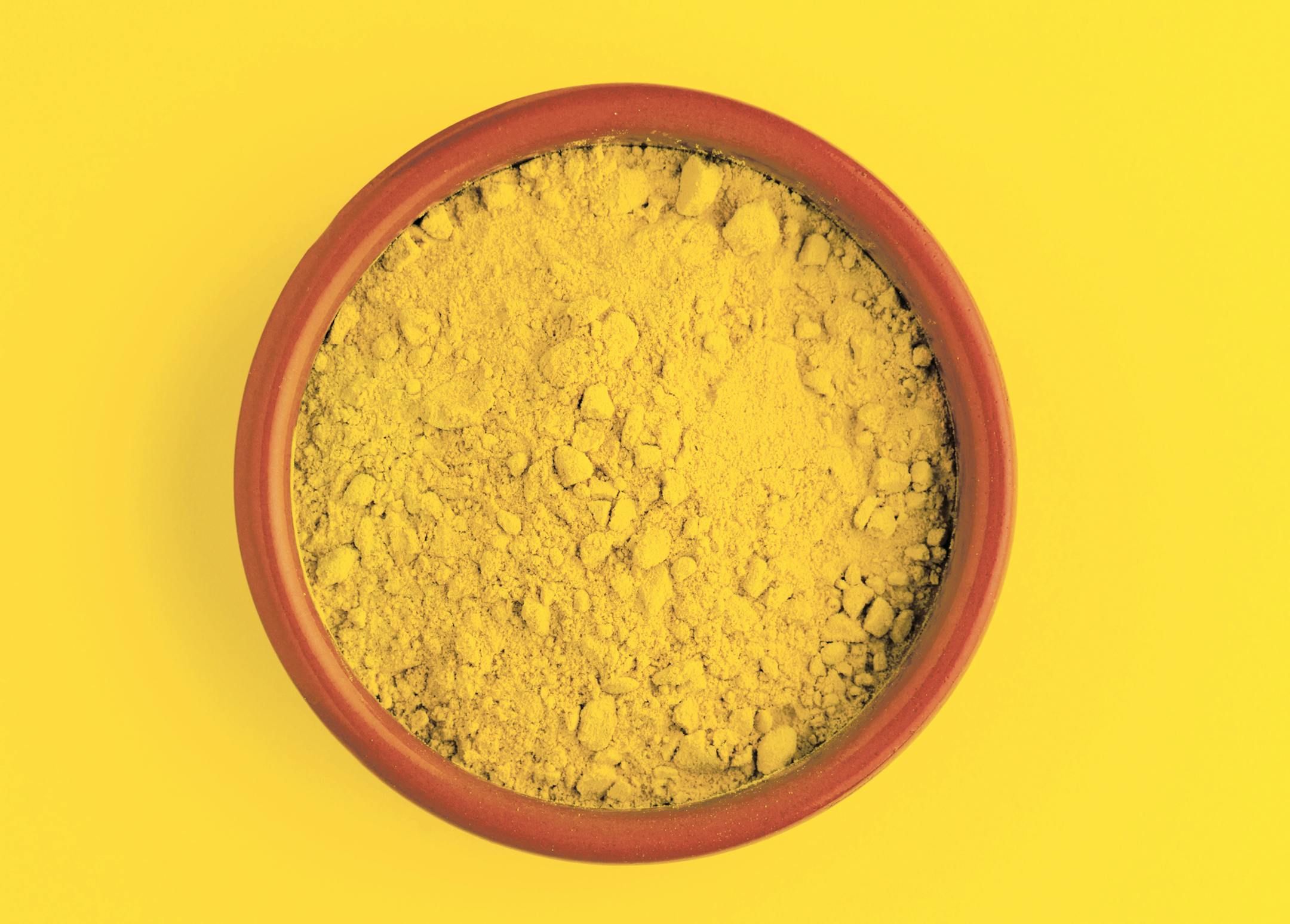
Chef and cookbook author Raghavan Iyer has to laugh when he spots "golden milk" drinks at coffee chains.
When he was a boy in India, his grandmother would grind turmeric into a paste and put it on bandages to cover a wound. Now, the deeply yellow spice, hailed for its anti-inflammatory properties, is a hot ingredient in even hotter lattés.
"It surprises me that it's popular now," Iyer said. "It's been hip in India for 6,000 years."
Indeed, turmeric (pronounced TER-muh-rihk) is lending its golden hue to all sorts of dishes and drinks. Steep it in milk with oats for golden milk porridge. Rub a paste of turmeric and other spices onto fish before searing, or toss with carrots before roasting. Put it in cake.
"I call it the Renaissance spice," Iyer said. "It takes on so many forms and is so adaptable and so nimble. It's got so many personalities."
In its fresh form, turmeric looks like a ginger root painted orange. It's not a root at all, but a rhizome, a plant's underground stem. But it behaves like ginger in its striations and roughness, and in the strength of its flavor.
Slightly astringent and faintly floral on its own, turmeric interacts best in small quantities alongside other ingredients, such as black pepper. Turmeric can be a tool for masking other strong flavors, such as fish. It aids the digestion of legumes. And in combination with cumin and coriander, ginger and chile, or cardamom, it provides an essential foundation to much Indian and Asian cooking.
Iyer uses the spice in 80% of the sauces at his two Pizza Karma restaurants. He also once launched a spice brand called Turmeric Trail (also the name of a memoir/cookbook he wrote).