

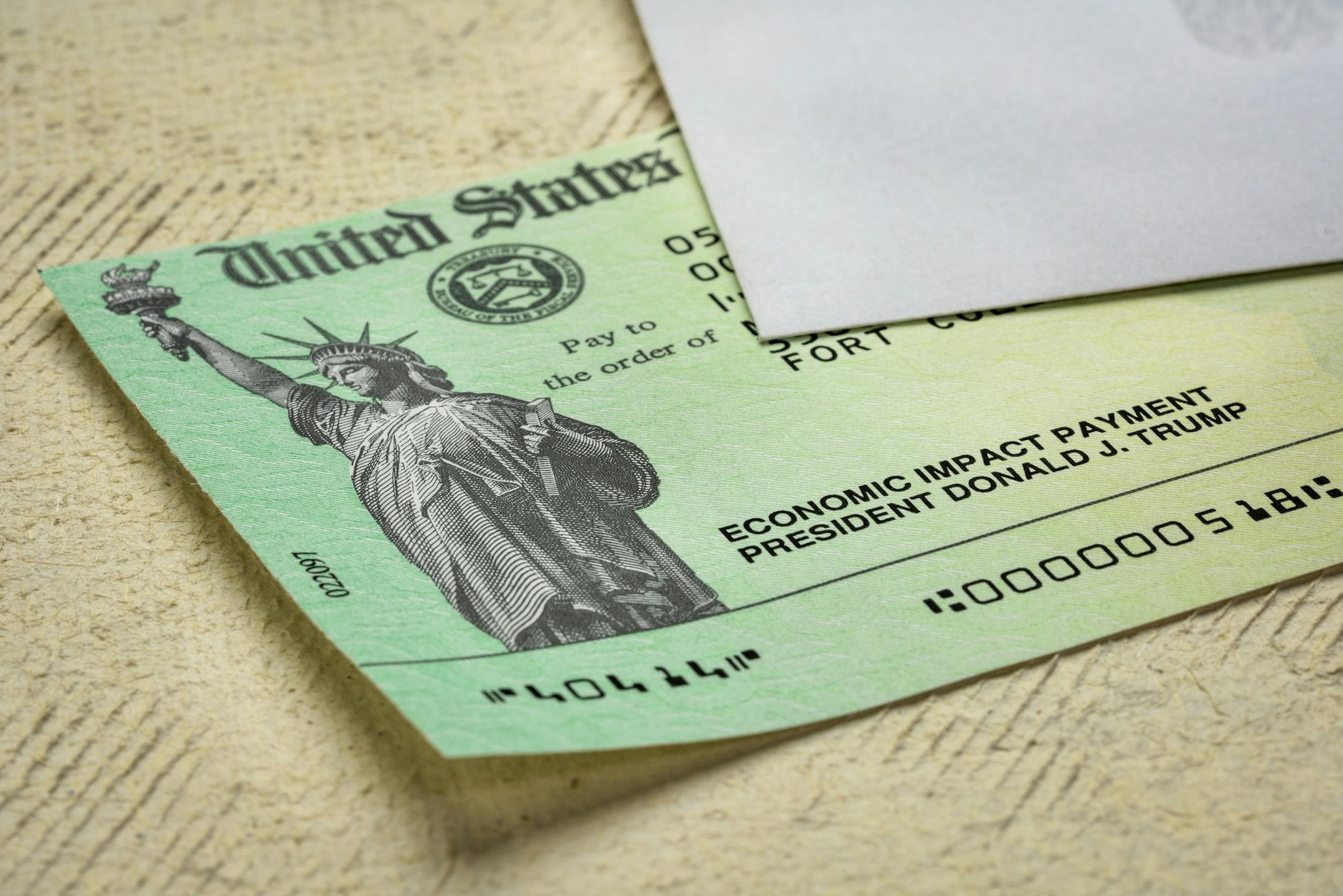
It's morning in America! People are getting vaccinated at the rate of 2 million a day and rising, suggesting that the pandemic may be largely behind us in a few months (unless premature reopening or variants mostly immune to the current vaccines set off another wave). The Centers for Disease Control and Prevention has already declared that vaccinated adults can safely mingle with one another, their children and their grandchildren.
On the economic front, the Senate has passed a relief bill that should help Americans get through the remaining difficult months, leaving them ready to work and spend again, and the bill will almost surely become law in a few days.
Economists have noticed the good news. Forecasters surveyed by Bloomberg predict 5.5% growth this year, the highest rate since the 1990s. I think they're being conservative; so does Goldman Sachs, which expects 7.7% growth, something we haven't seen since 1984.
But then what? I'm very optimistic about economic prospects for the next year or two. Beyond that, however, we're going to need another big policy initiative to keep the good times rolling.
President Joe Biden's American Rescue Plan is what the name implies. It's a short-term relief measure meant to address an economic emergency. There are some elements Democrats hope will become permanent — child tax credits, enhanced subsidies for health insurance — but the great bulk of the spending will fade out within a year.
And once the big spending is behind us, we're all too likely to find ourselves back in a condition of "secular stagnation," an old concept recently revived by Larry Summers. I know it's an obscure piece of jargon. But what it means is a condition in which the economy has persistent trouble maintaining full employment, even with ultralow interest rates. An economy subject to secular stagnation will still have occasional good times, but policymakers will find it difficult to offset bad news, like the bursting of a financial bubble.
This is a bad place to be. There's a growing consensus among economists that the U.S. economy spent most of the decade after the 2008 financial crisis producing less and employing fewer people than it should have. We may — may — have finally gotten close to full employment on the eve of the pandemic, but even that isn't clear.
Exactly why we found ourselves in this condition is a subject of some debate, but a few factors are obvious. A drastic slowdown in growth of the working-age population reduced investment demand; so did an apparent slackening in the pace of technological progress. Whatever the reasons, the prepandemic economy spent most of its time underperforming relative to its potential.


