

For many years, Gallup has been gauging America's confidence in its institutions. Journalism has not fared well. In 2020, just 24% of Americans had either a great deal or quite a lot of confidence in newspapers. Thirty-nine percent had very little or none. For television news, the respective figures were even worse, 18 vs. 49.
How to explain this lack of confidence? Perhaps because we keep proving ourselves unworthy of it.
This is happening again in the wake of the mass murder at three Atlanta-area massage parlors, in which six of eight victims were women of Asian descent. The crime is horrific and heartbreaking. The identity of the perpetrator is clear.
And the motive, while still requiring scrutiny, is confessed: The killer claims to have been struggling with a sex addiction at odds with his evangelical beliefs. According to the Associated Press, "All three businesses where people were fatally shot Tuesday have detailed recent reviews on an online site that leads users to places that provide sexual services."
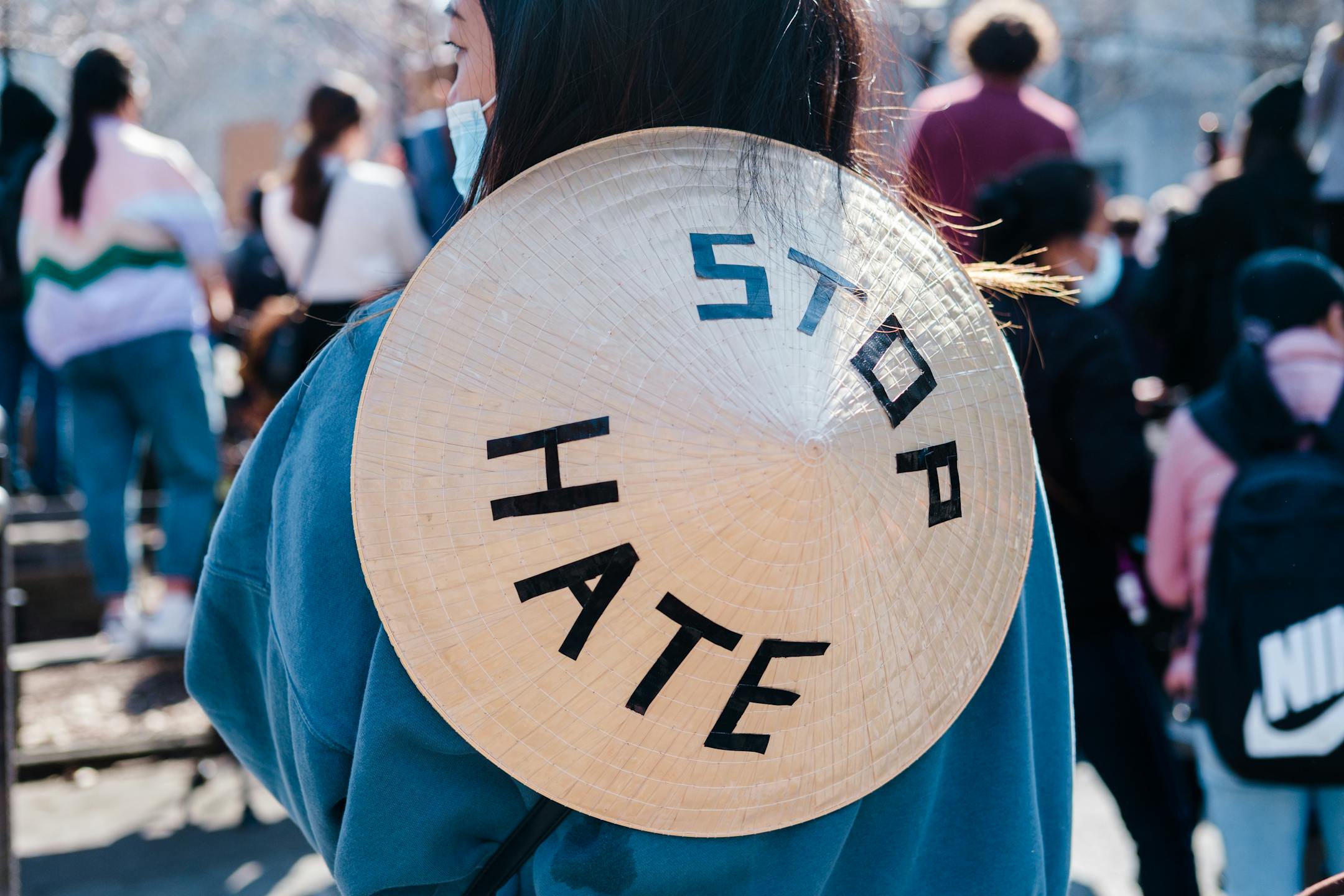
So how do we get headlines like "The Atlanta Spa Shootings and the Year of Hatred Against Asian Americans" on a news story from U.S. News & World Report? And why has reporting of the incident by so many news outlets emphasized the race of six of the victims when there is, as yet, only one rumored bit of evidence (in a South Korean newspaper) that the victims were attacked on account of their race?
The reason is that we have two things that, separately, are important and true, but which are being dubiously conjoined for reasons of ideological convenience.
Here's what is important and true: Hate crimes against Asian Americans in 16 U.S. cities jumped by 149% in 2020 from the previous year, according to one academic analysis, even as the overall rate of hate crimes declined by 7% in the same period. Also true is that Donald Trump stoked anti-immigrant hatreds that very likely contributed to the 2018 massacre at the Tree of Life synagogue in Pittsburgh and the 2019 massacre at a Walmart in El Paso, Texas. His references to the "China virus" were another characteristic piece of dog-whistled xenophobia, which is why it's understandable that Asian Americans who have dealt with harassment would feel the Atlanta attacks confirmed their worst fears.
But if the news media should have learned one thing over the past 20 years, it's to be exceptionally wary of trying to map one truth onto another for the sake of a compelling narrative.


