

Ever stop to consider where your Thanksgiving feast came from?
If you're thinking, "Mom roasted the turkey; Aunt Sara made the green bean casserole, and I didn't see who brought that pie, but it looks like it came from a bakery," that may be correct, but it's not the answer we were looking for.
We're talking about the history behind iconic Thanksgiving dishes, and the cultural implications of how we celebrate the day. Here's a bit of Thanksgiving background, fact and trivia to chew on while you wait to devour — or digest — the feast.
WHO WAS FIRST? the Pilgrims, Or not?
Today, we acknowledge the 1621 feast at Plymouth Plantation as the great-great-granddaddy of Thanksgiving.
But Spanish settlers in St. Augustine, Fla., celebrated a thanksgiving with imported pork and chickpeas in 1519, and sources say Spanish missionaries and American Indians shared a harvest dinner in Santa Fe around 1590.
Harvest feasts were common throughout Europe, and giving thanks to the creator played a central role in Indian cultures.
The acceptance of Plymouth Rock as the location is largely due to the appeal of its story — perseverant Pilgrims in pursuit of freedom joined by friendly Indian neighbors — and the dominance of Yankee culture in post-Civil War America.
Talking turkey
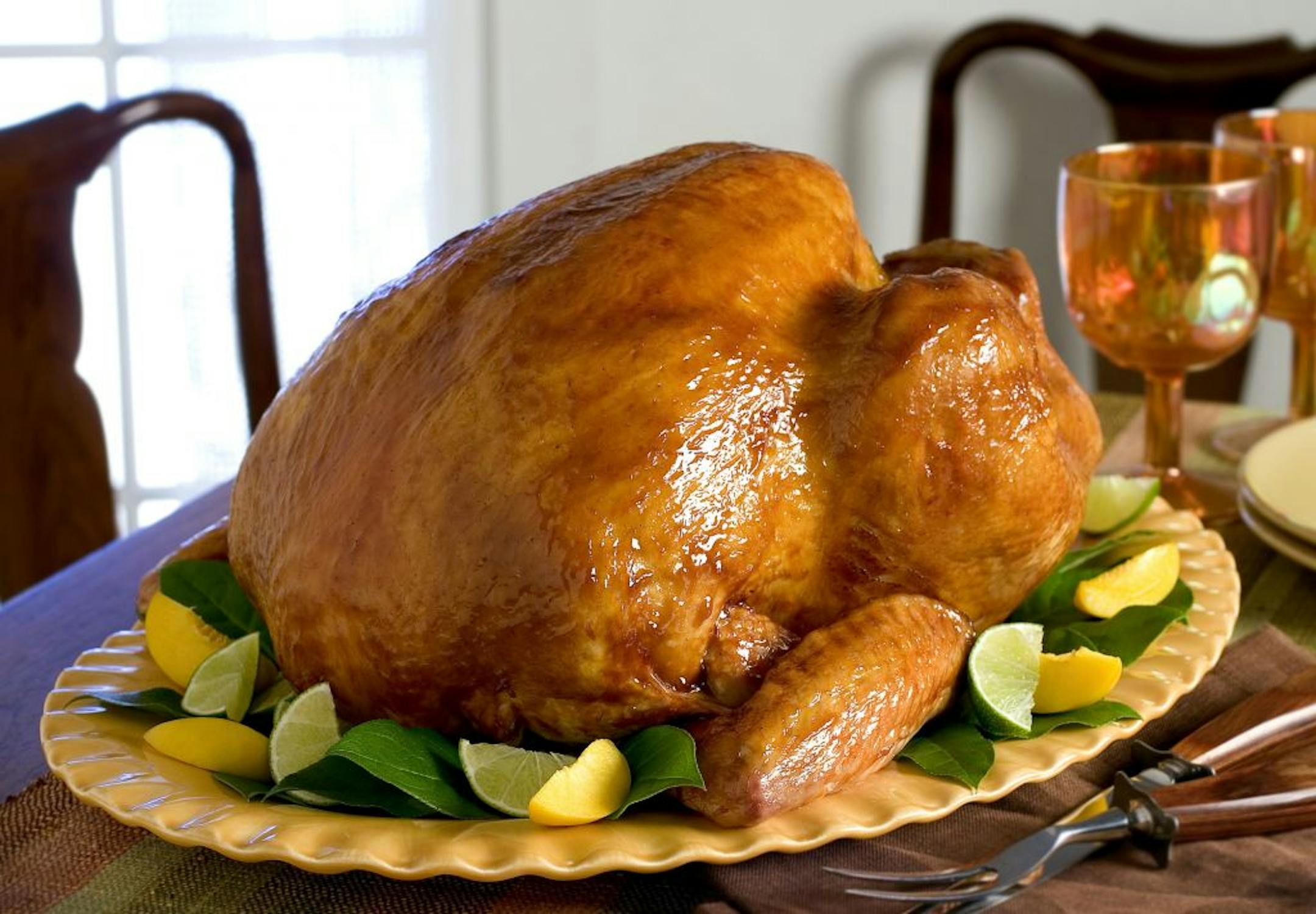
Was turkey present at that Thanksgiving feast? Maybe. But probably not.


