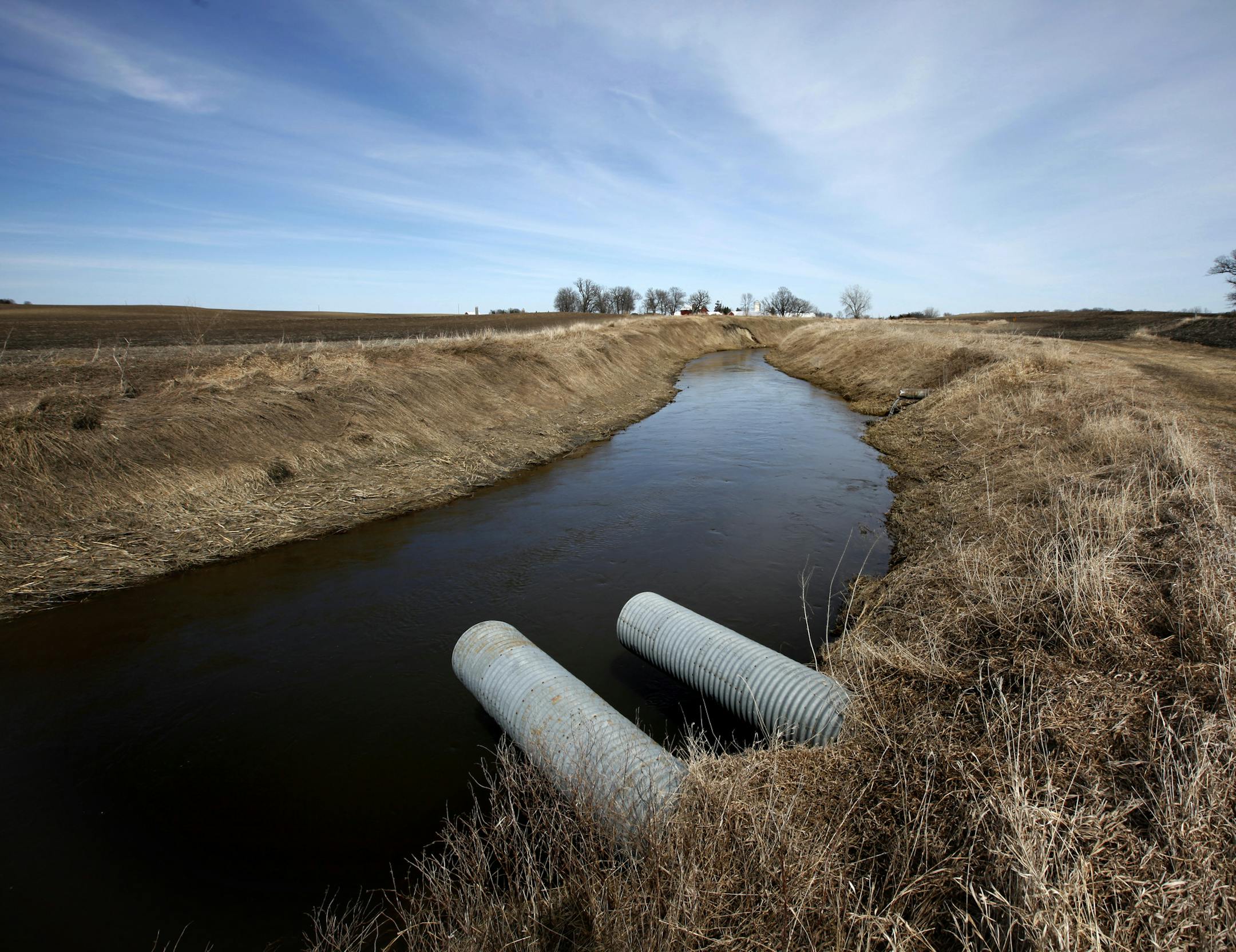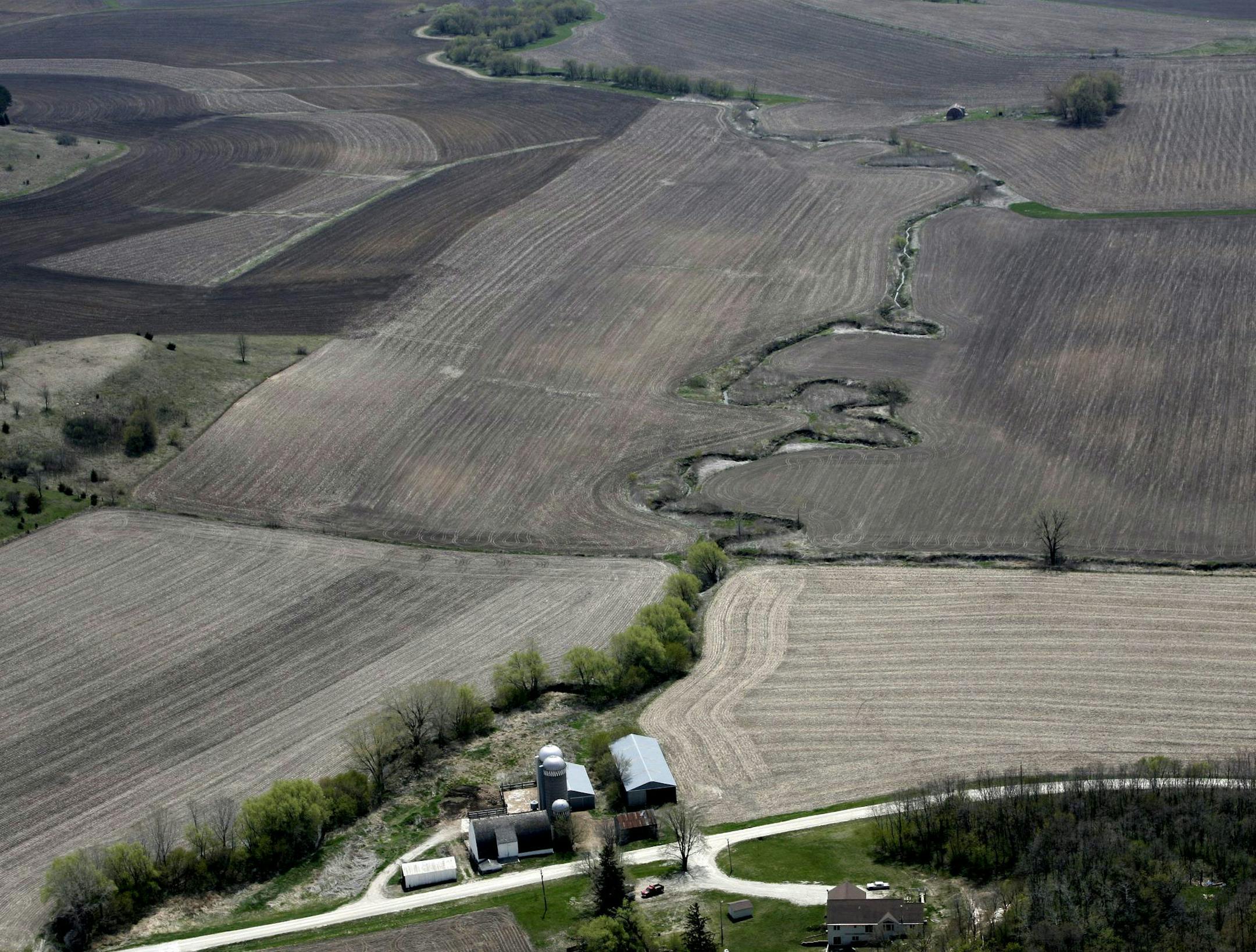
In just five years, Minnesota has lost 312 square miles of valuable wetlands and the natural vegetation that surrounds them — an area about 5.7 times the size of Minneapolis — reducing a resource that provides vital habitat for waterfowl, minimizes floods and keeps agricultural chemicals out of rivers and streams.
Between 2008 and 2012, rural landowners nationwide plowed up 11,300 square miles of wetlands and highly erodible land, most likely because of the high payouts that come with federally subsidized crop insurance, according to an analysis of land use trends released Tuesday.
The loss of wetlands was by far the greatest in the Dakotas and Minnesota — a total of 1,142 square miles — according to the Environmental Working Group (EWG), a national watchdog group that uses data to sway federal policy.
It is the latest in a series of studies to find that record prices for corn and other commodities are driving farmers to convert natural lands like prairie and wetlands at a rate not seen since the 1930s.
But EWG also implicated federal farm policy, noting that the highest rates of land conversion closely tracked the highest insurance payouts to landowners.
"We can't prove cause and effect, but it's very striking," said Craig Cox, the group's senior vice president for agriculture and natural resources. "We think it is more evidence that oversubsidized crop insurance is facilitating the conversion of these risky lands."
Tom Zacharias, president of National Crop Insurance Services, said in an e-mailed statement that high crop prices, not taxpayer subsidized insurance, are driving the change. "It appears that both commodity prices and world demand for food and biofuel will remain high, which will send continued market signals to farmers to expand area to meet demand," he said.
Congress debating subsidies
The EWG report was made public at a time when Congress is writing a new farm bill and debating whether subsidized insurance should be tied to protecting native prairies, wetlands and other sensitive lands. Historically, agricultural subsidies have been provided as long as farmers agree to protect the land by using conservation practices. But that has not been true of crop insurance, which in recent years has become the most widely used agricultural subsidy program. Now, the bills pending in Congress would eliminate virtually all other agricultural subsidies, and rely solely on subsidized crop insurance to help farmers manage risk.