

Gov. Mark Dayton and the DFL-controlled Legislature last week produced a five-page document that declares the just-concluded session made Minnesota "a more competitive place to do business."
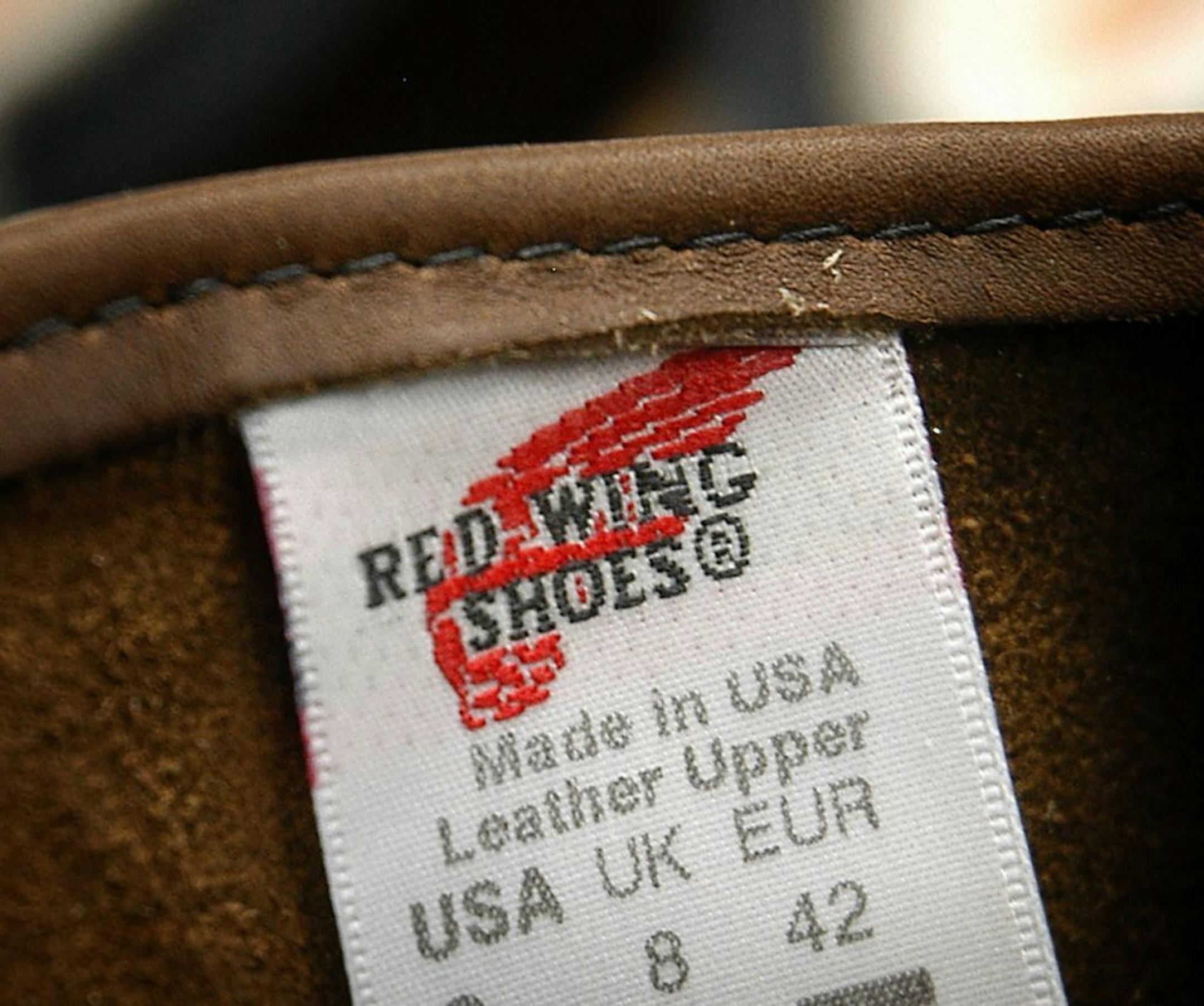
You could have fooled Red Wing Shoes President Dave Murphy, who runs a growing, 2,100-employee manufacturer that exports Minnesota-made footwear around the globe. That's no easy task in an industry that has all but left the United States for Asia over the past 30 years.
Murphy, a moderate Republican with deep Minnesota roots, privately told Dayton early in the session that he thought a decade of Republican leadership had skimped on education funding.
"I agree we needed to find more revenue," Murphy said in an interview last week. "But I don't believe solving a $650 million deficit with $2 billion in additional taxes is a 'balanced approach.' I'm willing to spend more, but I think they should have looked harder at cuts and innovation.''
Murphy and other high-income folks are going to pay a higher marginal income tax rate above $250,000 in taxable household income. That won't drive him to low-tax Florida, he said.
But the controversial, 11th-hour sales tax on warehouses and storage facilities is another matter. The tax on warehouse firms and a few other industries apparently passed while their lobbyists on guard at the Capitol that day were looking the other way. The warehouse sales tax is not scheduled to take effect for a year.
Regardless, the tax has set off alarms at Red Wing Shoes. The board recently approved a $3 million investment in equipment that's going to add jobs to the unionized workforce. But the decision to invest $20 million-plus in a new distribution center in Red Wing, about 50 miles southeast of Minneapolis-St. Paul, has been delayed. There also is a Red Wing plant in Missouri that is more centrally located.
Minnesota Revenue Commissioner Myron Frans, who is Dayton's much-bloodied point man on taxes, was on the phone to Murphy Friday explaining that the tax would affect only storage facilities that distribute the goods of other companies and not on proprietary-goods warehouses such as that envisioned by Red Wing Shoes.


