Piping plover Endangered
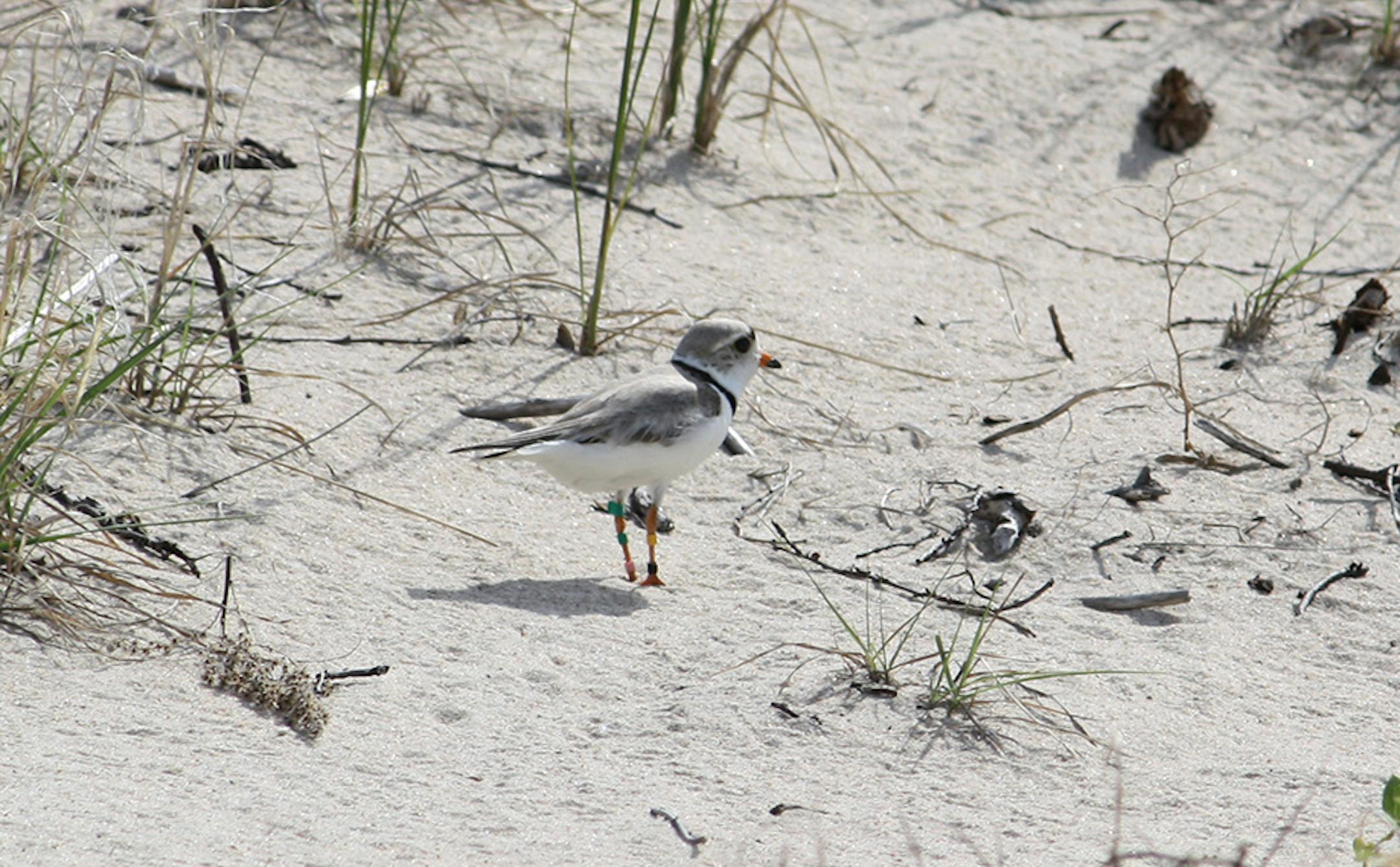
Federally threatened, this small shorebird once existed in Duluth Harbor, in extreme west-central Minnesota and on beaches in Lake of the Woods County. Today, its appearance is rare in Minnesota. No birds have nested in the state the past two years. The plover population declined because of a variety of factors, including predation, fluctuating water levels, habitat loss, human disturbance and competition with gulls for nesting areas.
Uncommonly known: The beach on which piping plovers last nested has been shrinking in size, likely owing to to the Rainy River channel changing its course. Beach size matters. The bigger the beach, the harder it is for predators to see this sandy-colored bird and find its sandy-colored eggs.
Wood turtle Threatened
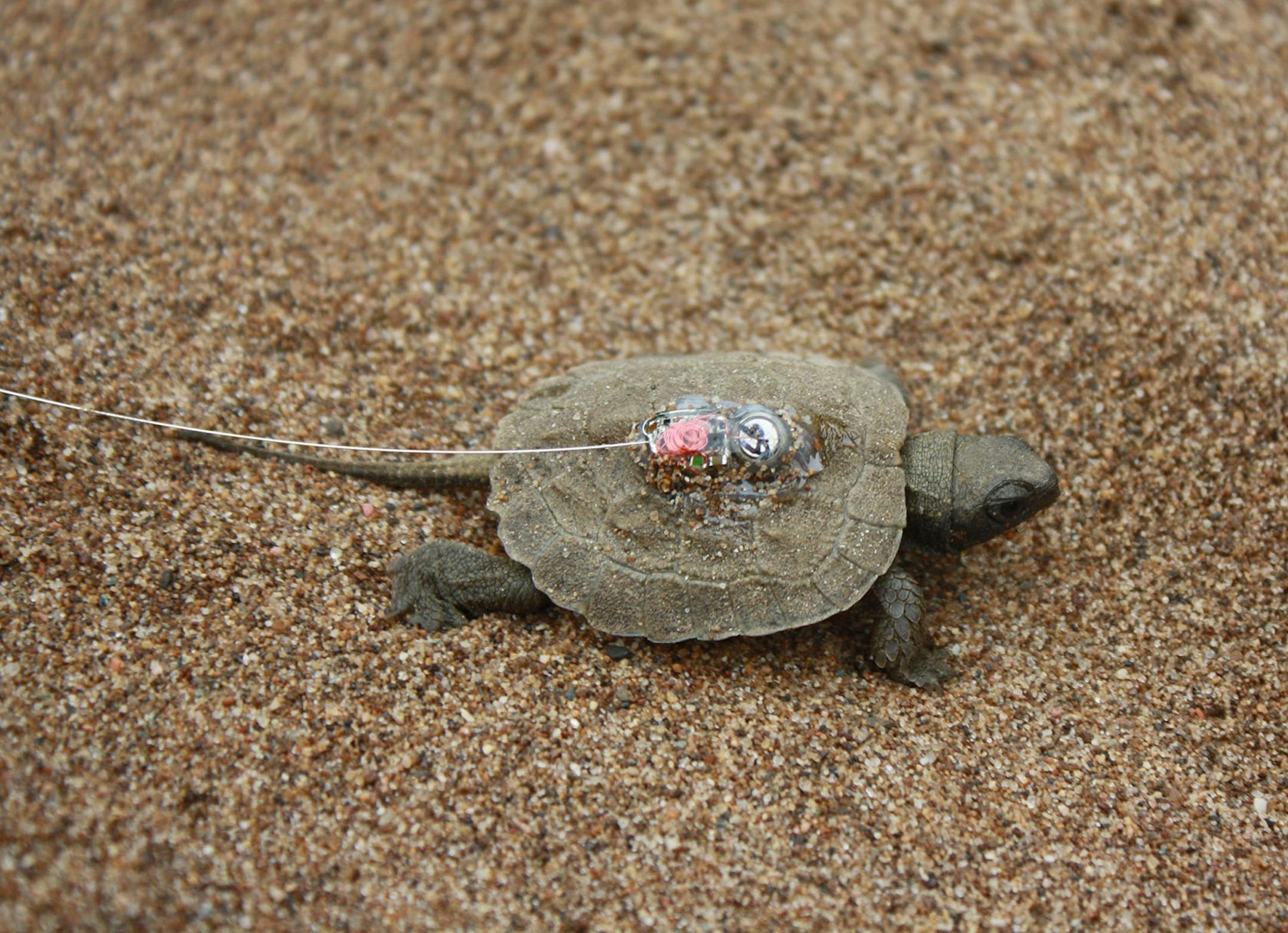
Wood turtles exist along swift streams and rivers that flow through forests, which they use for foraging and basking. They are found only in Minnesota's eastern counties. Their low population is due to predation, road construction, timber harvest, nest flooding, edge of national range and other factors. Wood turtles have a low reproductive rate.
Uncommonly known: Wood turtles seek sandy and sunlit road edges to lay their eggs because heat from the sun incubates eggs. Increasing nesting habitat closer to water is a conservation strategy.
Monarch Butterfly Federal Candidate for Threatened or Endangered
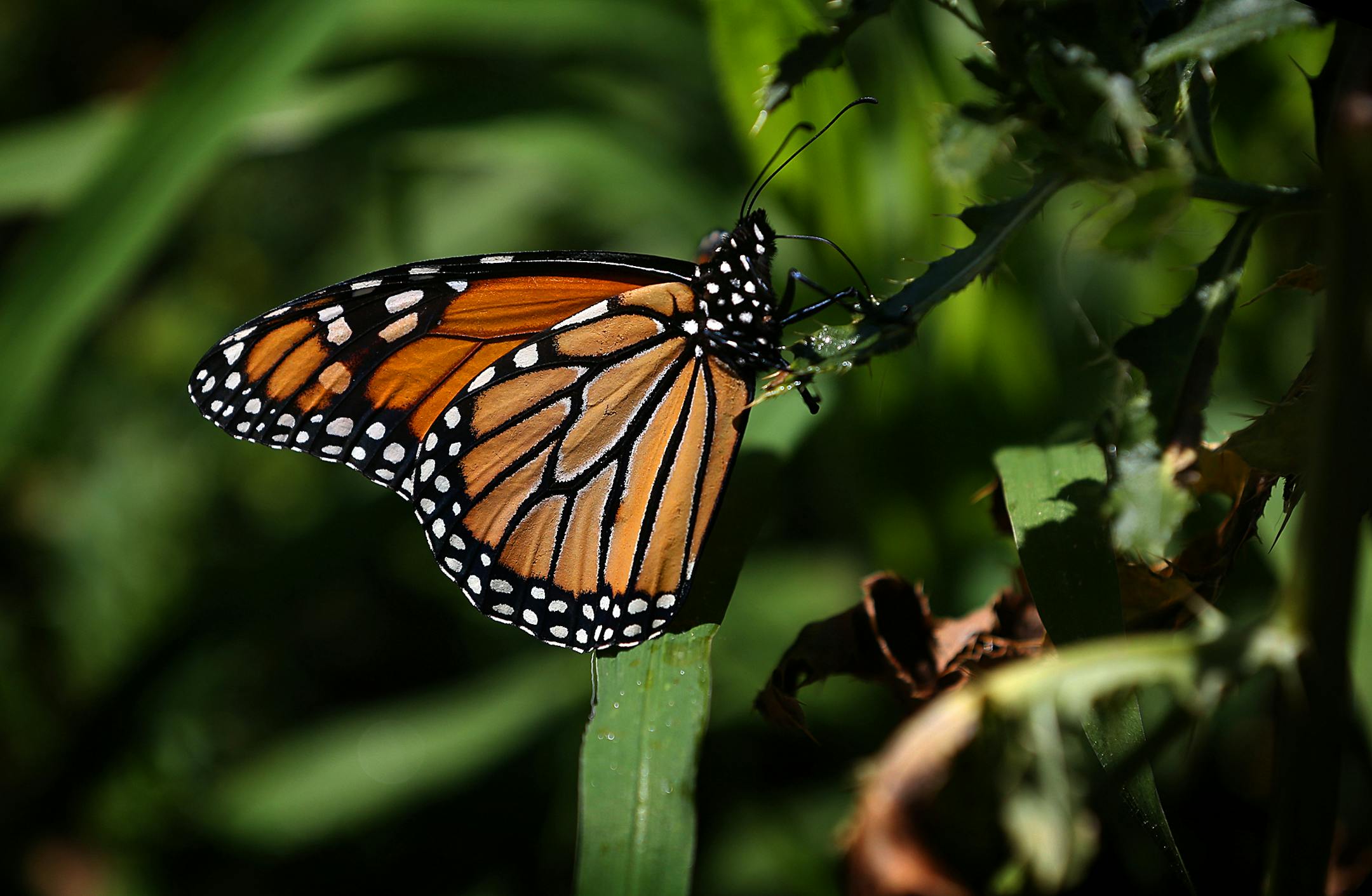
The monarch is struggling largely because of the loss of habitat for breeding, migrating and overwintering. In 2010, the World Wildlife Fund included monarchs on its top 10 list of species thought to be in need of close monitoring and protection. In 2014, the Center for Biological Diversity and others filed a legal petition with the U.S. Fish and Wildlife Service seeking "threatened" protection status for the monarch under the endangered species act. National and international organizations are working to conserve the monarch.
Uncommonly known: The University of Minnesota Monarch Lab is a leader in monarch conservation, as is the university's professor Karen Oberhauser. She chairs the national Monarch Joint Venture project and is director of the Monarch Larva Monitoring Project. What can you do for the monarch? Said Oberhauser: Provide butterfly habitat in your own yard, participate in monarch citizen science, be a local monarch advocate and support national monarch conservation efforts.