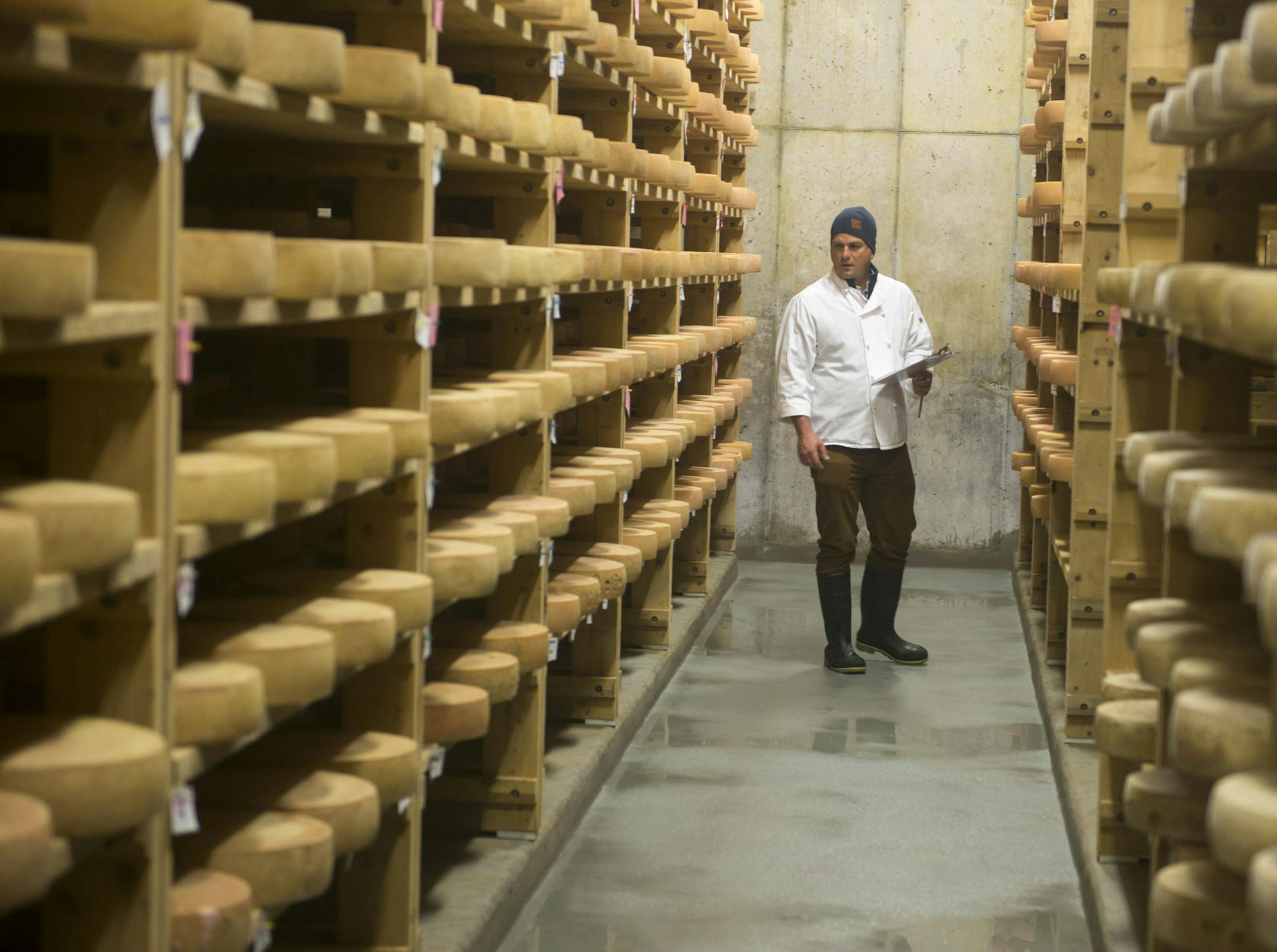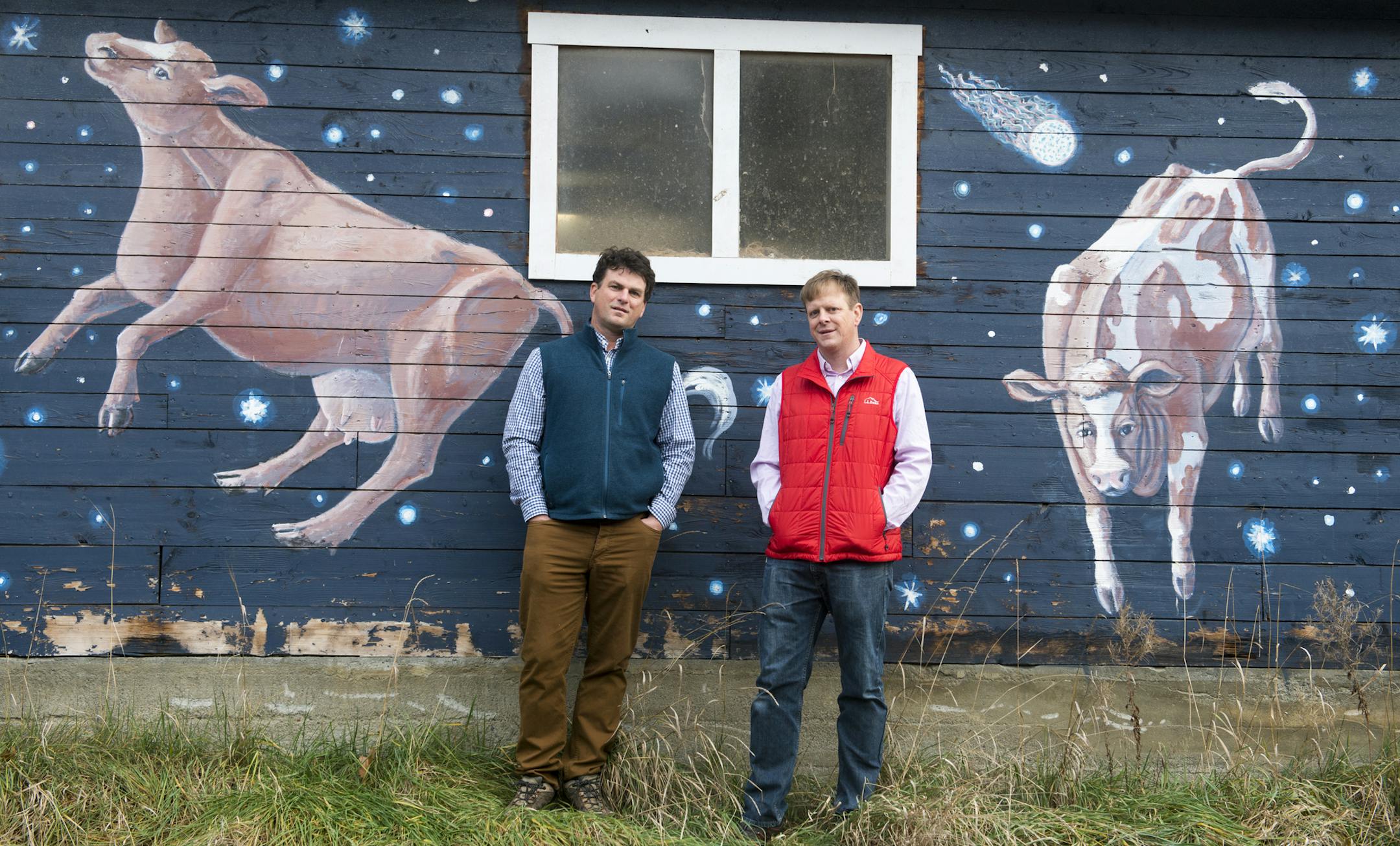
There's no sign announcing that you've arrived at Jasper Hill Farm, a creamery in Greensboro, Vt., but you can't miss it. The main barn is painted midnight blue with a giant cheese moon and cows floating happily in space. Blasted into the hillside is a concrete bunker with seven cheese caves radiating from a central core.
There's one other surprising detail: a modern two-room laboratory filled with microbiology equipment and staffed with scientists.
Why does a small rural creamery invest in technology for what has long been a low-tech product? Because it doesn't have 500 years to learn what its European counterparts already know: the biological intricacies of how to make the best cheese in a particular place.
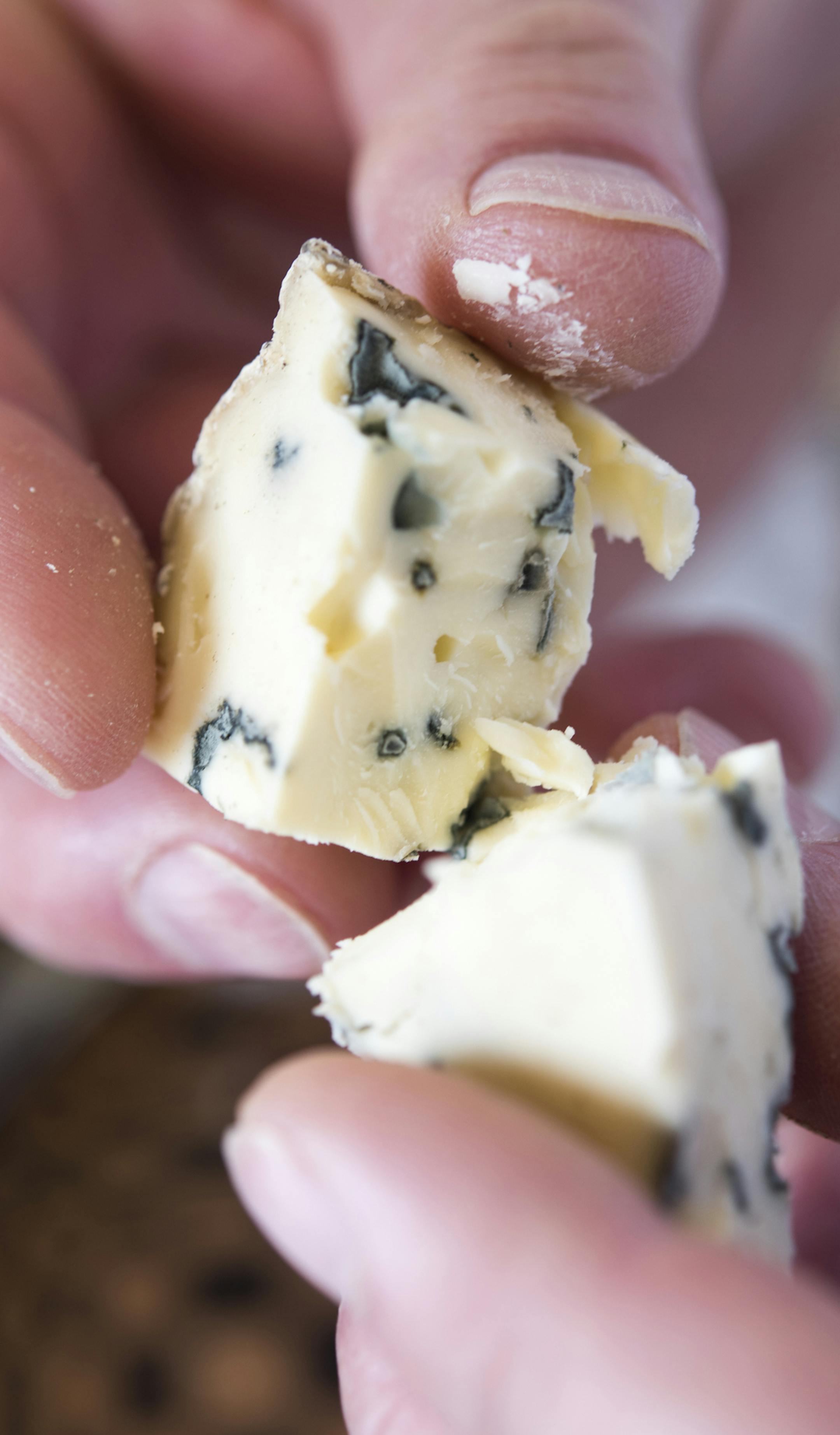
The making of cheese depends on the contribution of myriad microbial actors. Both yeast and bacteria are components of the starter cultures that help turn milk into solids, and those solids into cheeses with distinctive aromas, flavors and textures. The interplay of these species, while understood in a basic sense, is now receiving renewed scientific scrutiny and appreciation in the U.S.
Starter cultures are a vexing ingredient. The only three domestic suppliers, including DuPont and Cargill, are multinational corporations better known for chemicals, which has limited the number of available cultures and caused discomfort in a field that strives for individuality.
When the farm's owners, brothers Mateo and Andy Kehler, began making cheese in 2003, their aim was to invigorate the local dairy industry, which was, and still is, struggling. They started on their path to applied science in 2010, when Rachel Dutton, a Harvard scientist, decided to use cheese as a model to research how small microbial communities interact; she focused on the composition of cheese rinds.
Her first contact in the cheese business was Mateo Kehler, who taught her to make cheese, then helped her reach out to more than 100 other producers for samples.
In 2014, Dutton, working with Benjamin Wolfe, a postdoctoral researcher, reported that the environment (cows, cheese caves, pastures) and methods (washing, salting, managing acidity) were as important to the development of cheese rinds, if not more so, than the ingredients.