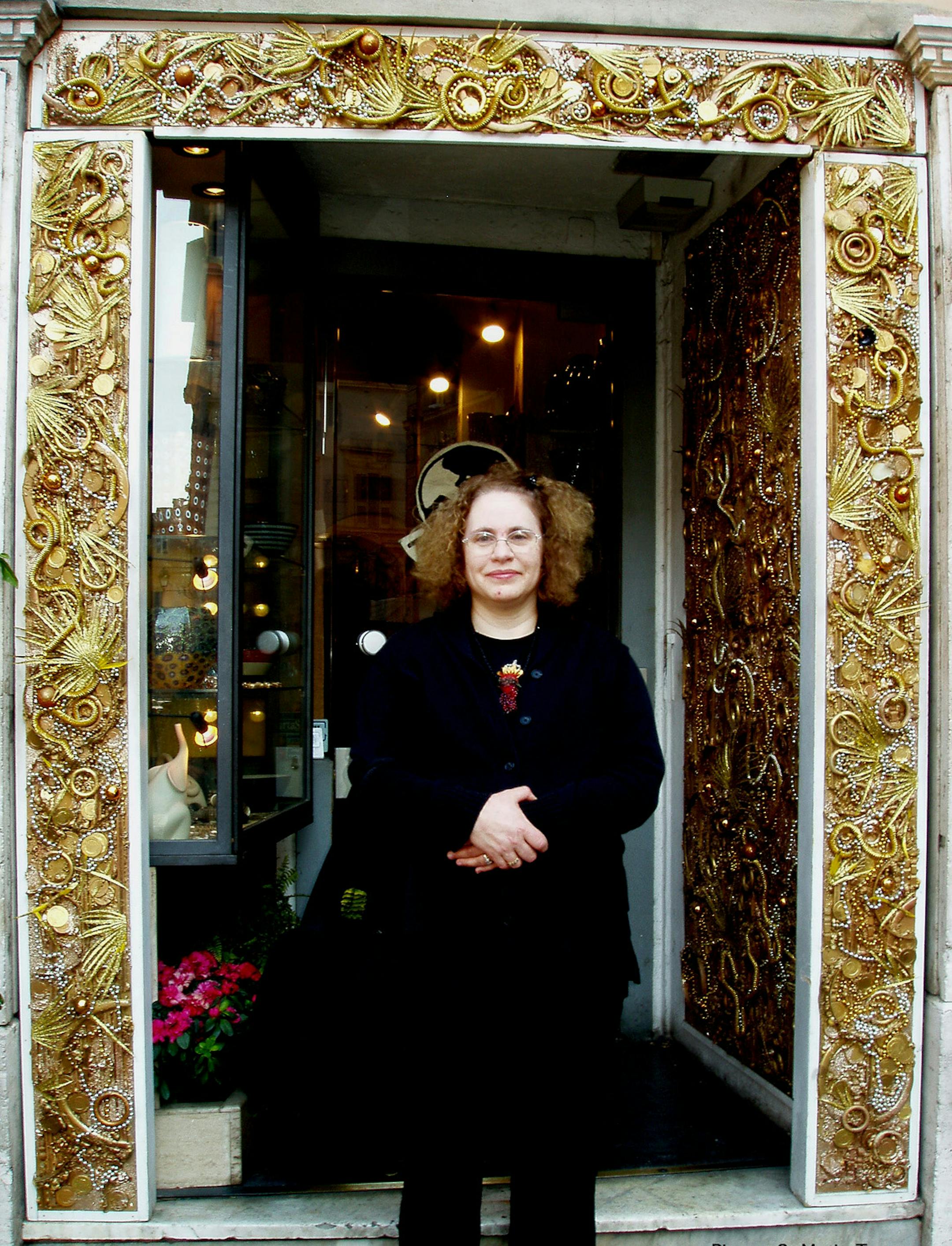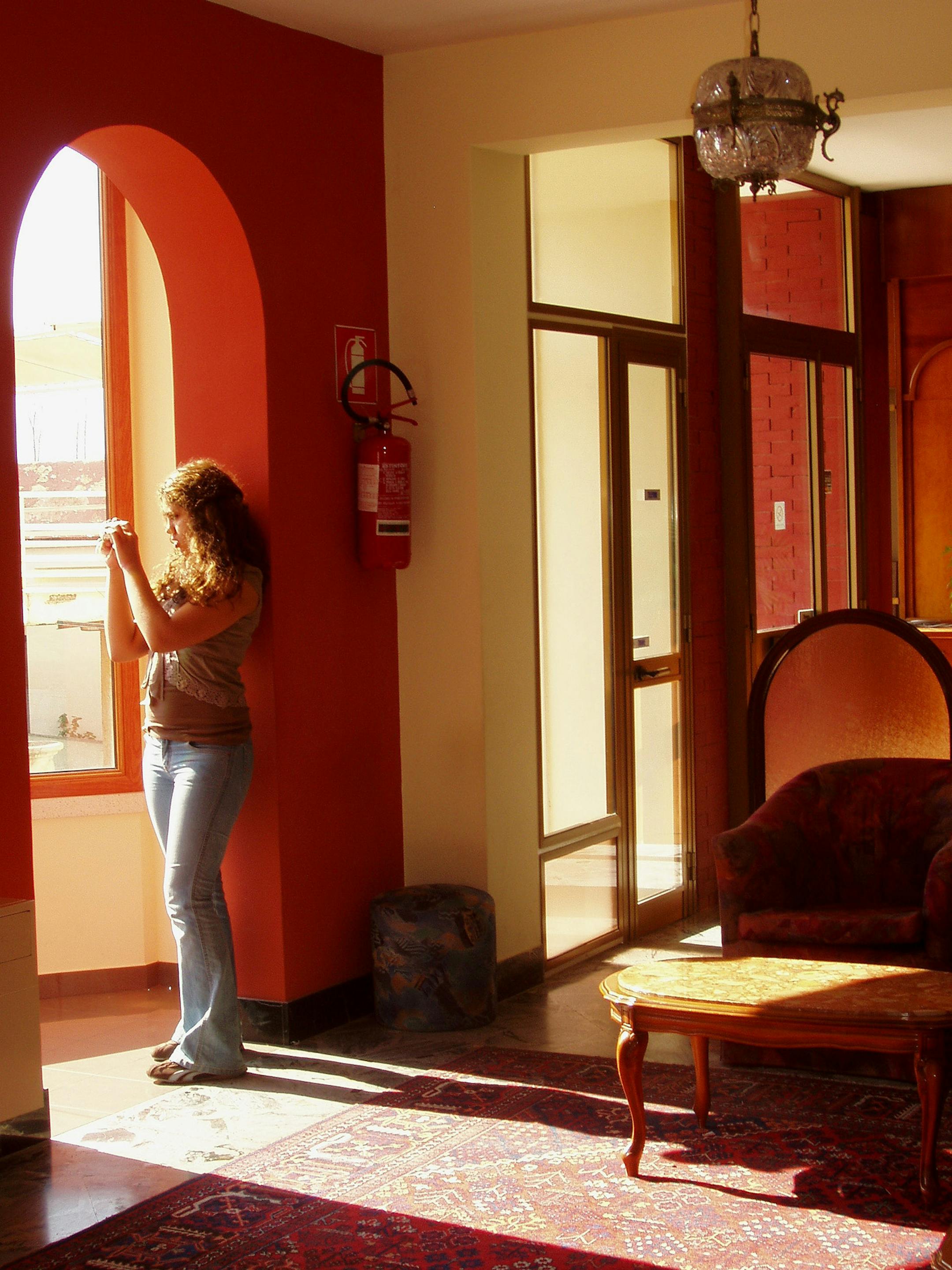
Pat Savu, a research chemist at 3M in Maplewood, says between family obligations and work, her life in the Twin Cities is "frantic." When she travels, she's looking for a different pace.
For the past four years, she and her daughters have gone to Europe on spring break in determined pursuit of slowness -- no checklists of attractions, no timelines, no trying to do all of Europe in 10 days.
This year, she and her oldest daughter rented an apartment in the Trastevere neighborhood of Rome for 13 days.
"I didn't want to waste all that time and money running around," Savu said. "This approach helps you see things that you wouldn't find on somebody else's top 10 list."
Savu is a convert to the slow travel movement, which is an offshoot of the general slowness movement, which is a reaction to the accelerated pace of daily life.
By most accounts, slowness took off as a concept in 1989 in Italy with the advent of the slow food movement. What started as a local revolt against fast food has evolved into a philosophy with followers worldwide. The idea that fast isn't best has now crept into other arenas: Slow design, slow sex and slow cities have their own movements.
"Slow travel refers to traveling at a pace that allows the traveler to fully appreciate the place he or she has traveled to," said Geir Berthelsen, a Norwegian activist who started the World Institute of Slowness in 1999. The idea is "to relax more and not return after a vacation feeling like we need another."
To that end, slow travelers prefer rental housing to hotels, walking or biking to cars, and cars or trains over airplanes. They try to immerse themselves in one place rather than pursuing multiple stamps for their passports.