
Should you buy in this hot homebuying season?

June 2, 2018 at 7:22PM
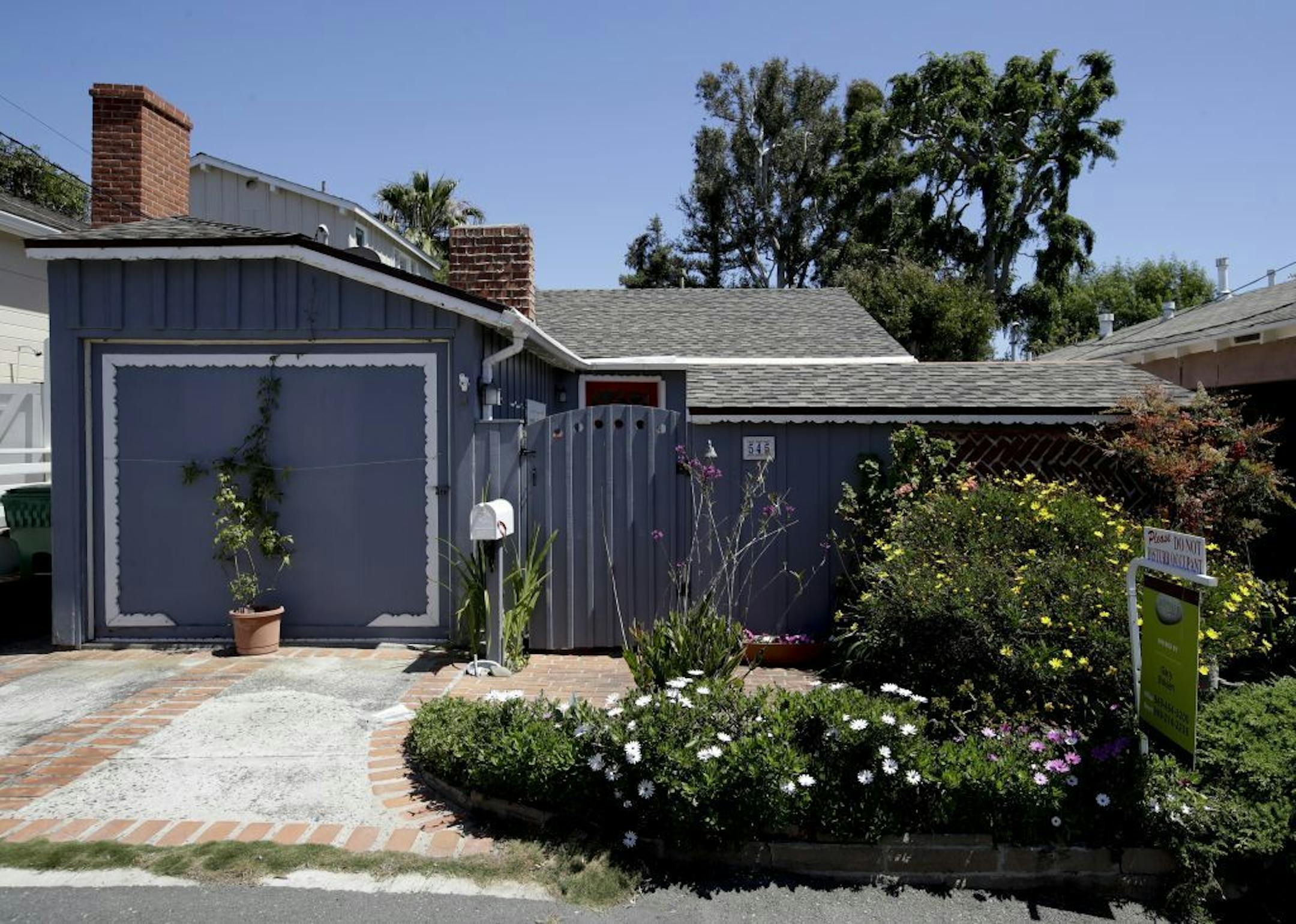
This tiny cottage on Lombardy Lane in Laguna Beach, Calif. is for sale at just shy of $1 millions is shown Friday, May 25, 2018. This one bedroom home is 595 square feet and is a few blocks from the ocean.
This tiny cottage on Lombardy Lane in Laguna Beach, Calif. is for sale at just shy of $1 millions is shown Friday, May 25, 2018. This one bedroom home is 595 square feet and is a few blocks from the ocean. (Associated Press/The Minnesota Star Tribune)

The housing market is hot during the traditional spring homebuying season.

The latest reading by the S&P CoreLogic Case-Shiller National Home Price Index shows prices rose in major metropolitan areas by 6.5 percent in March. The national index is almost 9 percent above its peak during the housing market bubble era.

The economics behind the strong market are compelling.

The long economic expansion and rising employment are major factors. The unemployment rate in Minnesota is 3.2 percent, Minneapolis 2.4 percent and St. Paul 2.5 percent.

The leading edge of the millennial generation is showing greater interest in buying. Housing inventory is near its lowest level in decades. The recent rise in mortgage rates and, more important, expectations that rates will head higher is pushing some people off the sidelines.

Taken altogether, I hear more stories about multiple bids on home sales in the Twin Cities.

I've noticed more money managers arguing that another national housing bubble is forming. Of course, the economic fundamentals also explain high home prices without adding in irrational exuberance.

Is it a bubble, not a bubble? Who knows.

Instead, buyers — especially first-time home buyers — should focus on what they can know: their personal finances. For many potential home buyers my guess is housing market values have spiraled too high for comfort. You don't want to be in the position of chasing a market. You don't want to stretch your finances to own. You don't want to join the home hunt only to end up house poor (short of cash for discretionary items and struggling to meet other obligations).

To be clear, this isn't a brief against homeownership. Even after the new tax law legislation reduced incentives for homeownership, a home remains a tax-advantaged investment.

Here are a few key factors to consider: How secure is your household income? The more fragile your household finances, the better it is to rent. You will want to commit to owning for at least five years. You need time to offset closing costs and the like.

Can you afford a conservative down payment of 15 to 20 percent? If you can't, it's a signal you may be taking on too much financial risk. So is taking on debt where payments exceed 30 percent of take home pay.

The bottom line for first-time buyers: Be financially conservative.

Chris Farrell is a senior economics contributor at "Marketplace" and commentator, Minnesota Public Radio.

about the writer

about the writer

Chris Farrell

Columnist

See Moreicon

More from Business

See More
card image
Fairview Health Services

The school is changing an elective course while still working with the Eden Prairie-based health care giant after students raised concerns.

This transmission electron microscope image shows SARS-CoV-2, the virus that causes COVID-19, isolated from a patient in the U.S., emerging from the surface of cells cultured in the lab. (NIAID/TNS) ORG XMIT: 1659810
card image