

The Minneapolis start-up company Zipnosis, now six years old, at first struggled when it brought an online diagnostic service to market at a time when there wasn't really a market.
But there sure is one now.
On a recent morning, co-founder and CEO Jon Pearce explained that UCLA Health in Los Angeles was going live with the service that day. It's the latest health care system to select Zipnosis as its technology provider for what's called "virtual health care."
"That's all been inbound," he said of recent customers, and the sales challenge now appears to be finding the time to properly respond to inquiries. With a staff of just 11, Zipnosis is looking to add six people right now to help, although carving out time to interview candidates is another challenge.
But with the market now taking off, Zipnosis at last has the money to pay a growing staff. The Fargo venture capital firm Arthur Ventures invested an undisclosed amount in November. At the end of the year Fairview Health Services, Zipnosis' local health system partner, also made a significant investment.
The recent experience of Zipnosis seems to offer another object lesson to entrepreneurs on the value of persistence. Zipnosis may have been too early with its product — and perhaps at first went after the wrong customer — but its insights into how consumers will want to get their health care weren't wrong.
The first, and biggest, insight was that consumers would come to trust a diagnosis of a common medical condition like a sinus infection without having been examined by a doctor.
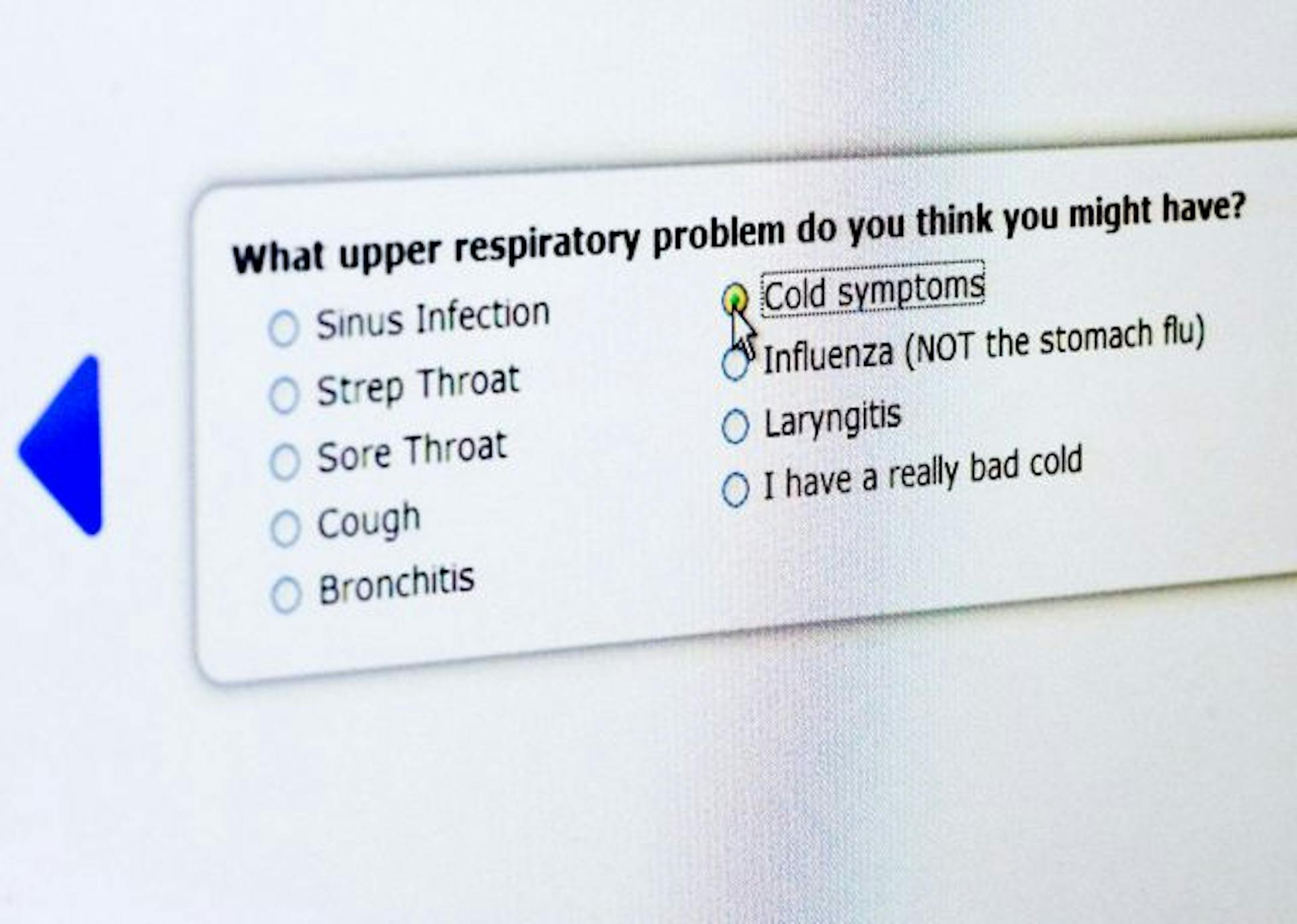
The key to making any sort of accurate diagnosis over an Internet connection is a detailed interview. What Zipnosis knows how to do is ask a series of questions about symptoms and medical history. Each of these questions gets answered with a checked box rather than making the patient type in any information.



