By FARAH STOCKMAN and GABRIELLA DEMCZUK New York Times
CHARLOTTESVILLE, Va. – The room — brick-floored, plaster-walled, empty — is simple.
The life it represents was anything but.
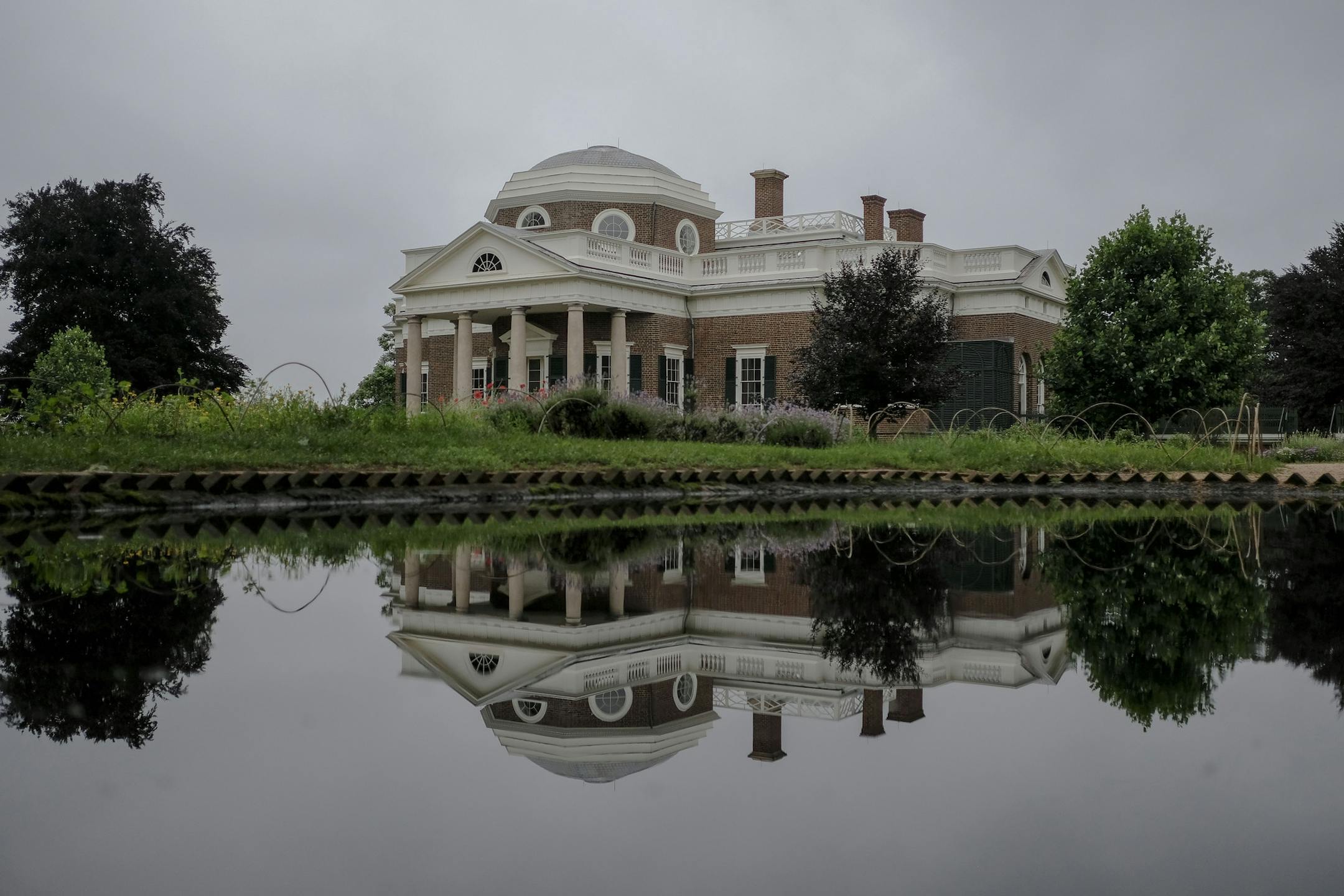
The newly opened space at Monticello, Thomas Jefferson's palatial mountaintop plantation, is presented as the living quarters of Sally Hemings, an enslaved woman who bore the founding father's children. But it is more than an exhibit.
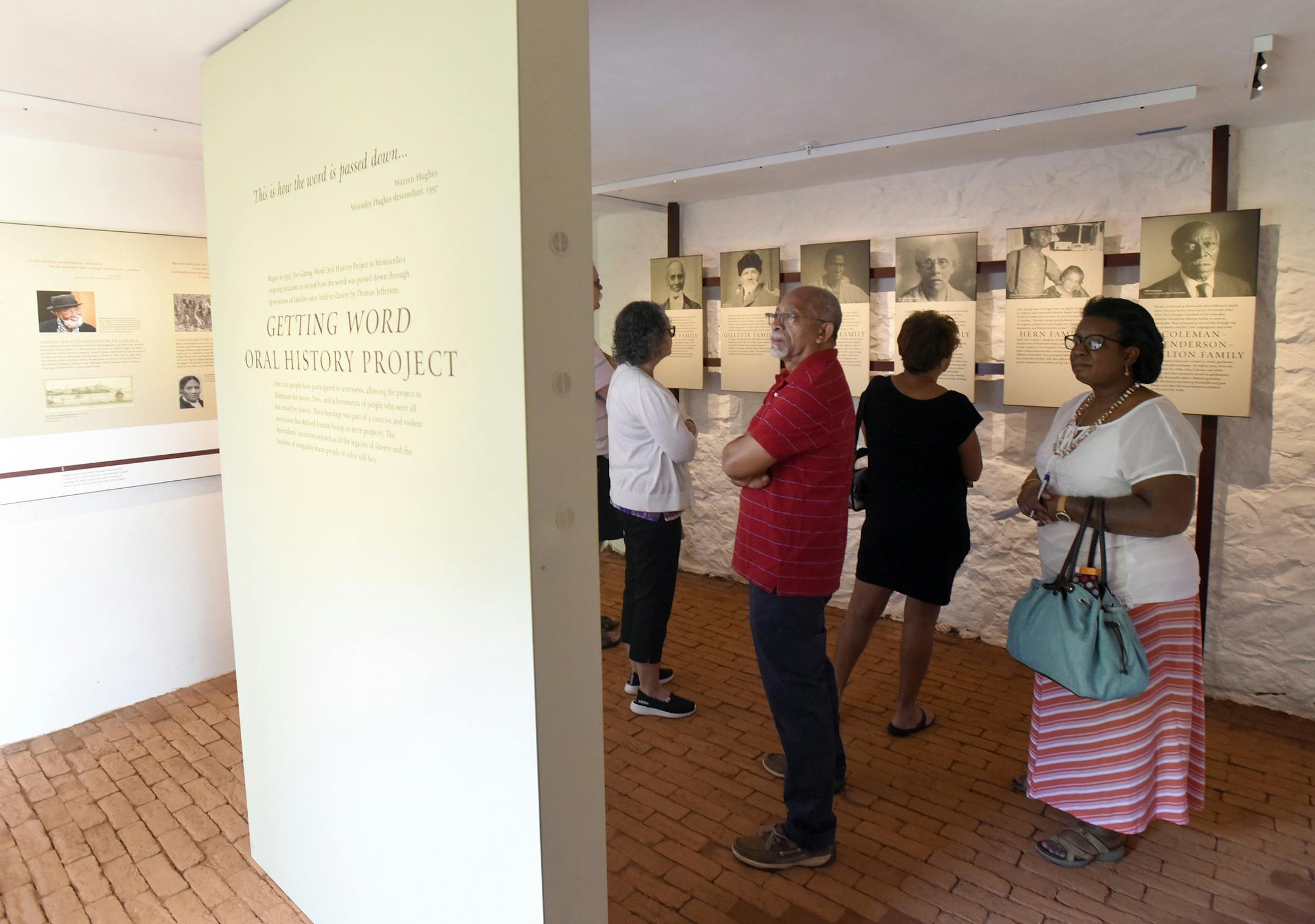
It's the culmination of a 25-year effort to grapple with the reality of slavery in the home of one of liberty's most eloquent champions. The Sally Hemings room opens to the public Saturday, alongside a room dedicated to the oral histories of the descendants of slaves at Monticello, and the earliest kitchen at the house, where Hemings' brother cooked.
The public opening deals a final blow to two centuries of ignoring, playing down or covering up what amounted to an open secret during Jefferson's life: his relationship with a slave that spanned nearly four decades, from his time abroad in Paris to his death.
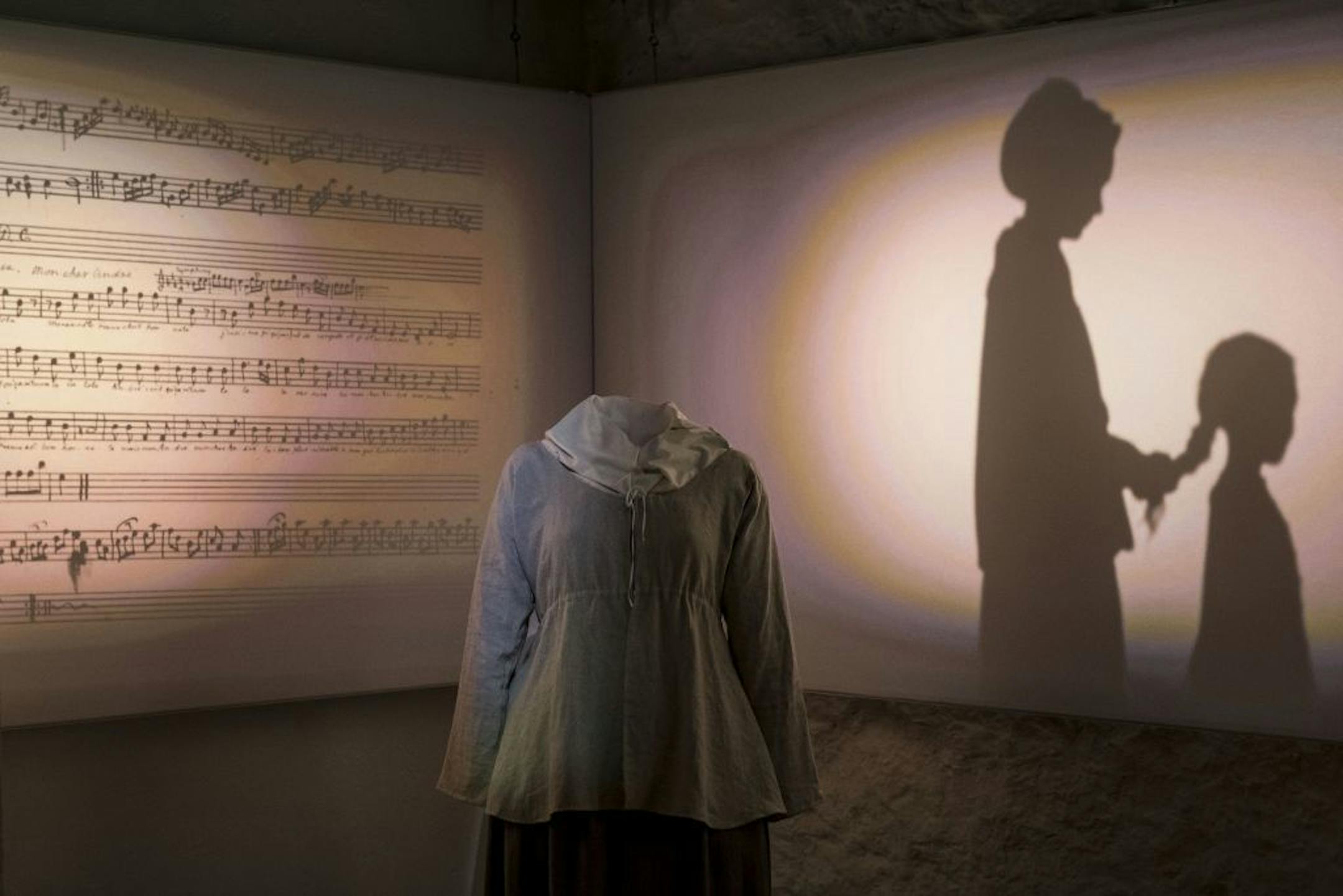
To make the exhibit possible, curators had to wrestle with a host of thorny questions. How to accurately portray a woman for whom no photograph exists? (The solution: casting a shadow on a wall.) How to handle the skepticism of those who remain unpersuaded by the mounting evidence that Jefferson was indeed the father of Hemings' children? (The solution: tell the story entirely in quotes from her son Madison.)
And, thorniest of all, in an era of Black Lives Matter and #MeToo: How to describe the decadeslong sexual relationship between Jefferson and Hemings? Should it be described as rape?