

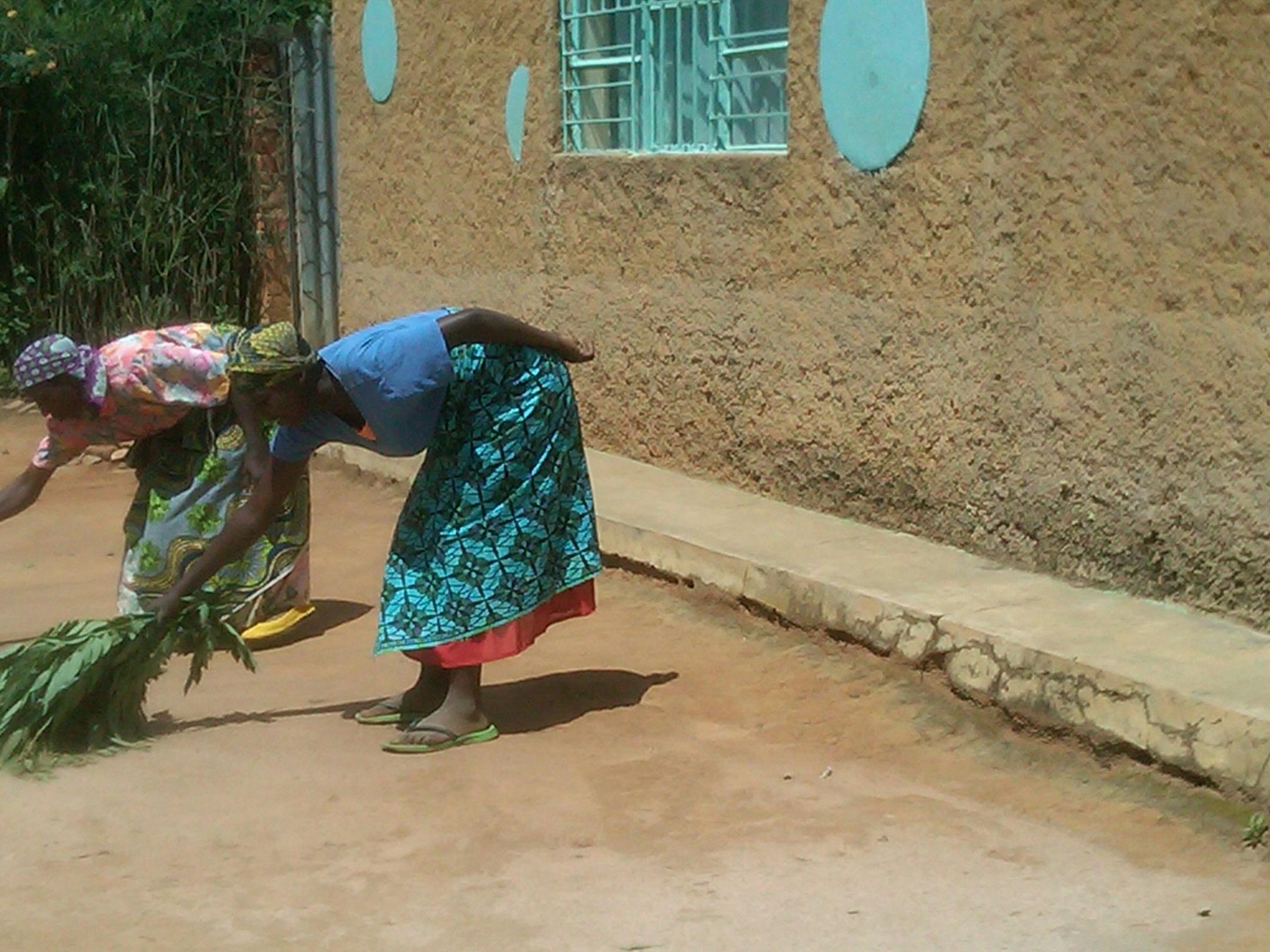
In Rwanda, they sweep the dirt.
Women and children -- or, just as commonly in Africa's most densely populated country, women with babies strapped to their backs -- apply crude brooms fashioned from branches and leaves to remove debris from hard-packed dirt paths that connect villages of two-room mud brick houses.
Their labors leave the countryside as spotless as the teeming capital, Kigali. Rwanda is the cleanest country I've ever seen.
Just as tirelessly, Rwandans, including President Paul Kagame, are toiling to cleanse their society from the stain of an appalling genocide that murdered as many as 1 million people in 100 days in early 1994.
That process has had some stunning success. But it's come with a cost, as I learned while visiting Rwanda in November as part of a Gatekeeper Editors trip organized by the International Reporting Project.
All across the developing world -- in the Middle East, in Africa, Asia and beyond -- societies search today for a path to a just and prosperous future, hoping to finally leave behind histories plagued by oppression, poverty and factional strife.
If Rwanda can make it -- more than 69 percent of the population witnessed genocide bloodshed, according to a 1995 UNICEF report -- perhaps any long-suffering nation can.
But Rwanda today is also a reminder that each people's journey will be its own and may not always follow a model familiar and pleasing to Western tastes.


