When families need food, they're probably in need of other things, as well. So why not use the food shelf as a place to provide that extra help?
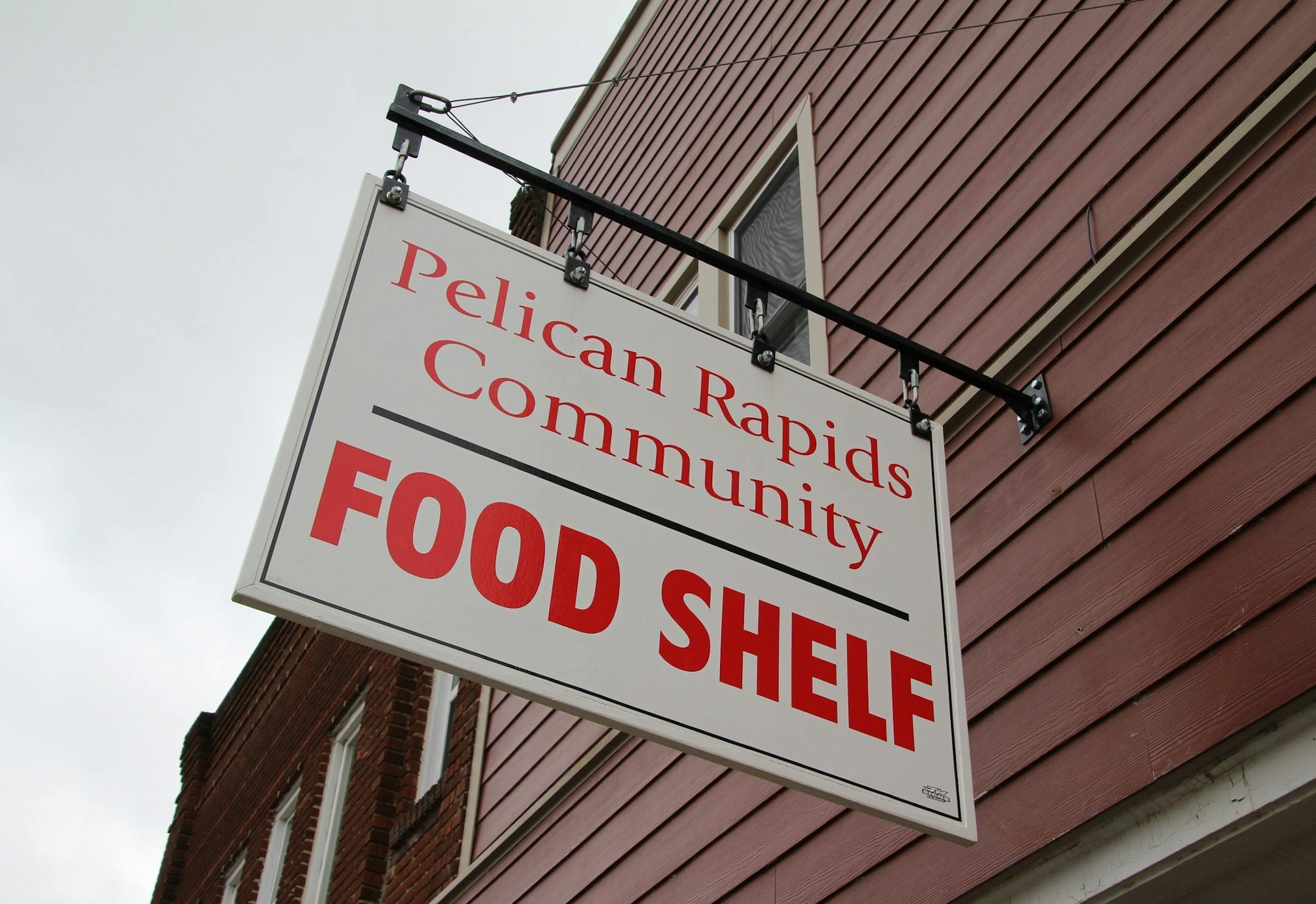
That's the insight behind an effort to turn Minnesota's 300-plus community food shelves into clearinghouses for an array of social services. The Foundation for Essential Needs (FFEN), a Minneapolis-based organization, recently launched a pilot program in Pelican Rapids, Minn., an Otter Tail County city of about 2,500 residents.
The foundation made a cash grant to help the food shelf buy a computer and upgraded refrigeration equipment. But its main focus was pulling together the organizations that assist Minnesotans in need and improving collaboration, using the food shelf as a hub.
"We are recognizing food shelves as community assets," said Susan Russell Freeman, FFEN's executive director. "We're taking resources that already exist and creating a sustained support service."
The groups that FFEN envisions working through food shelves include the social service agencies of Minnesota's 87 counties as well as the state's 24 community action programs, 11 tribal community action programs, 10 regional development organizations and six initiative foundations.
Doug Kohrs, FFEN president, said there is a clear link between food and other needs. Kohrs and Russell Freeman both learned from experience at Bloomington-based VEAP, the state's largest food shelf. Kohrs was a board member and Russell Freeman was the longtime executive director.
"We realized that the people we want to help would present at the food shelf first," Kohrs said. "As the people came in, instead of just giving them food, we tried to understand what they really needed. Do they need help with their car? Do they need help with their heating bill? Do they need help with their kids?
"And we thought, 'What if we took that concept, expanded it and took it to the whole state of Minnesota?' "